Gadi Eisenkot Says Netanyahu 'Cannot Be PM for Another Minute' as Coalition Talks Intensify
Eisenkot Netanyahu Faceoff: Gadi Eisenkot has accused Benjamin Netanyahu of threatening Israeli democracy and attempting to manipulate elections, while dismissing his national unity offer as a political bluff. As coalition negotiations intensify, Eisenkot insists Netanyahu must leave office.
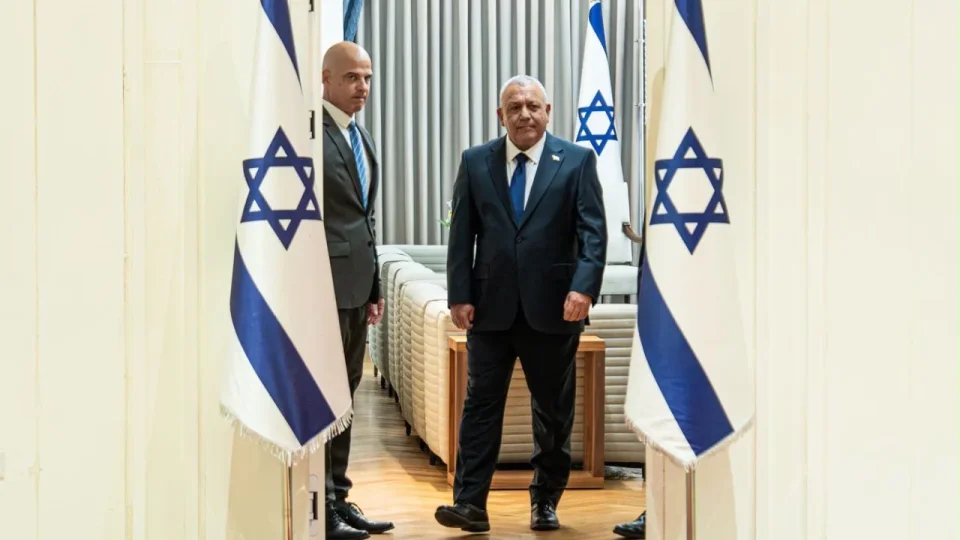
Eisenkot Netanyahu Faceoff: Gadi Eisenkot, a contender to become Israel's next prime minister, has launched a sharp attack on outgoing Prime Minister Benjamin Netanyahu, accusing him of attempting to rig elections by planting evidence and deploying police against Arab citizens without valid search or arrest warrants. He has also dismissed Netanyahu's latest appeal for a national unity government as a political bluff, accusing him of using negotiations to delay his exit from office. In a strongly worded statement, Eisenkot said Netanyahu must not remain at the helm of the government for even a minute longer, warning that his continued tenure posed a "tangible, direct and immediate threat" to Israeli democracy.
Referring to the Qatargate scandal, Eisenkot accused Netanyahu and his inner circle of compromising state institutions and crossing democratic boundaries to serve the prime minister's political survival. He alleged that a new and more serious controversy was now emerging, involving an attempt to manipulate the electoral process through planted evidence and police action against Arab citizens without valid warrants.
Eisenkot called for an immediate investigation, demanding that the police and Shin Bet, Israel's domestic security agency, clarify the allegations. He also pledged to establish a commission of inquiry into the alleged involvement of the Prime Minister's Office and the conduct of security agencies before and during election day.
התנהלות ראש הממשלה היוצא נתניהו וסביבתו היא איום מוחשי, ישיר ומידי על הדמוקרטיה הישראלית. לא נותרה בישראל חלקה שלא הושחתה, עוותה והוכפפה למען הישרדותו הפוליטית האישית של נתניהו. אין רסן שלא איבד, ואין גבול שלא נחצה. אסור בשום פנים ואופן שנתניהו ימשיך לאחוז בהגה השלטון ולו דקה אחת נוספת. אסור בשום פנים ואופן שישראל תיגרר לסבב בחירות נוסף כשהוא ראש ממשלה. מובן שכל עוד הוא בתפקיד - לא יתקיימו יותר בחירות הוגנות וכשרות בישראל. זה השיקול המרכזי שמנחה אותי בכל משא ומתן קואליציוני שאני מנהל בימים אלו. לאחר שהכניס ללשכת ראש הממשלה סוכנים קטארים בפרשת "קטארגייט", עכשיו נחשפת פרשיה חדשה וחמורה עוד יותר - ניסיון שיבוש בחירות לכאורה תוך השתלת ראיות, הפעלת המשטרה נגד אזרחי ישראל הערבים בלי צו חיפוש או צו מעצר בתוקף. אני קורא לפתיחת חקירה מידית של הפרשה ולהבהרה מידית של המשטרה והשב״כ בדבר הפרטים שפורסמו. אפעל להקים ועדת חקירה לחקר מעורבות והתערבות לשכת ראש הממשלה ביום הבחירות והתנהלות גופי הביטחון לקראתו ובמהלכו.
— Gadi Eisenkot - גדי איזנקוט (@gadi_eisenkot) November 15, 2026
He argued that as long as Netanyahu remained in office, Israel could not expect another fair and legitimate election. The allegations, he indicated, would remain central to his ongoing coalition negotiations.
Eisenkot Calls Netanyahu's Unity Pitch a 'Bluff'
Eisenkot's frustration was equally evident in his response to Netanyahu's public appeal for negotiations to form a national unity government. Dismissing the statement as another political manoeuvre, he pointed out that negotiating teams from his Yashar party and Netanyahu's Likud had already scheduled a meeting for November 15. "My Israeli brothers and sisters, this is the latest bluff," Eisenkot said, accusing Netanyahu of calling for negotiations after they had already been arranged, while simultaneously deepening political divisions.
He also took aim at Netanyahu's conduct at a state ceremony in the Knesset, accusing him of promoting unity in public while engaging in divisive rhetoric and obstructing efforts to form a new government. "Nice try, but these tricks don't work on me. And they don't work on the citizens of Israel either," Eisenkot said.
הודעתו לתקשורת של ראש הממשלה היוצא הערב בה הוא קרא להיפגש למשא ומתן היא עוד ספין. הרי נתניהו יודע שכבר נקבעה פגישה כזו. היא נקבעה למחר בין צוותי המו״מ של ישר! והליכוד. אחיי ואחיותיי הישראלים, זהו הבלוף התורן: נתניהו קורא למשא ומתן אחרי שהוא כבר נקבע, טוען שהוא רוצה אחדות, אבל מבזה מעמד ממלכתי בכנסת ומפלג ומסית כאילו אין מחר. ניסיון יפה, אבל הטריקים האלו לא עובדים עליי. וגם לא על אזרחי ישראל. למען הסר ספק, גם נתניהו יודע שהתנאים להצטרפות לממשלת חירום בראשותי הם הכרה בעקרונות שהתוותי ופרידה מהקיצוניים. בסופו של דבר, אחרי כל הנאומים וההצהרות, נשארת האמת: נתניהו מודע להפסדו בבחירות. הוא מודע לכך שיש רוב מוחלט נגדו באזרחי ישראל וכנסת ישראל, והוא יודע שקום תקום ממשלה חדשה וטובה. לכן, הוא בקרב בלימה שמטרתו הערמת קשיים על הקמתה של ממשלה חדשה וסיכול החלפת יו״ר הכנסת. המבחן הקרוב של הליכוד והציונות הדתית הוא ביום שלישי הקרוב, בו יתקיימו הבחירות למינויו של מועמד מפלגות השינוי והתיקון, ח״כ מתן כהנא. אם אכן פניהם לשותפות פוליטית אמיתית, כפי שטוענים, הם נדרשים לאפשר את קיומו של הליך דמוקרטי תקין בזמנו, ולהנחות את חברי הכנסת לתמוך במינויו של אלוף-משנה במיל׳, מפקד טייסת ולוחם סיירת מטכ״ל לשעבר, מתן כהנא, לתפקיד יושב ראש הכנסת. זו ההזדמנות שלהם להוכיח כמה רציניים הם. או שפעם נוספת, הכל זה טריק פוליטי ריק ותו לא. הבחירה בידיהם. אני פועל, גם בדקות אלו ממש, להקים ממשלת חירום לאומית במהרה. שבוע טוב לכולם.
— Gadi Eisenkot - גדי איזנקוט (@gadi_eisenkot) November 14, 2026
He made clear that his offer of an emergency government under his leadership came with conditions. Likud and Religious Zionism would have to accept the principles he had outlined and break with extremist elements.
Eisenkot further accused Netanyahu of knowing that he had lost the election and that a parliamentary majority was against him. He said the outgoing prime minister was resorting to delaying tactics to make government formation more difficult and prevent the replacement of Knesset Speaker Amir Ohana.
Matan Kahana's Appointment Becomes a Test
Eisenkot identified the proposed appointment of Yashar lawmaker Matan Kahana as the next Knesset speaker as the next test of whether Likud and the Religious Zionist Party were serious about political cooperation. The vote, scheduled for November 17, would replace Amir Ohana with Kahana, a former lieutenant colonel, squadron commander and Sayeret Matkal commando.
Challenging the two parties to support Kahana, Eisenkot said their decision would demonstrate whether their claims of genuine political partnership were sincere or merely another political tactic. The proposed appointment has become an important part of the political contest, with the emerging majority seeking to replace the Likud speaker even before a new government is formed.
Coalition Negotiations Amid a Deepening Political Standoff
Eisenkot is seeking to form a government after Netanyahu's Likud emerged as the largest party in the October 27 election but failed to secure a parliamentary majority with its traditional allies. Eisenkot's rival bloc has secured broader support in the Knesset, although differences among its potential partners have complicated coalition negotiations. President Isaac Herzog has given Eisenkot the mandate to form the next government, placing him at the centre of efforts to replace Netanyahu.
The challenge lies in reconciling parties that oppose Netanyahu but differ over the extent to which an incoming government can rely on Arab-led parties. The role of ultra-Orthodox parties and disagreements over military service exemptions have added to the complications.
With negotiations under way, Netanyahu's appeal for a unity government has created another point of confrontation. While the two sides have agreed to meet, Eisenkot has ruled out an arrangement that would allow Netanyahu to remain prime minister.
He said he was continuing efforts to form a national emergency government as soon as possible. But his statements leave little room for ambiguity about his position: he wants Netanyahu out of office and sees any attempt to prolong his tenure as an obstacle to both political change and democratic accountability.