ICJ Finds Myanmar Responsible for Genocide: How Far Is Home for Rohingya Muslims?
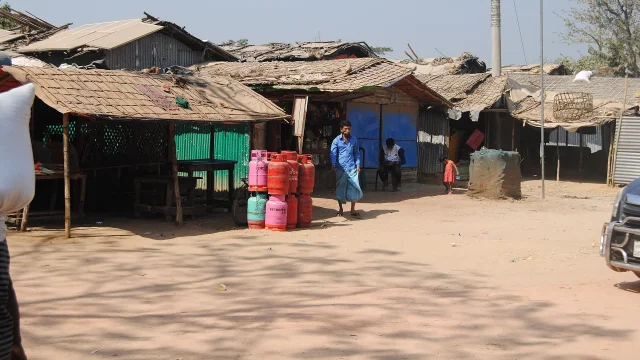
ICJ Myanmar Rohingya Genocide Judgment: Rohingya refugees at a camp in Cox's Bazar, Bangladesh, where hundreds of thousands remain displaced after fleeing military violence in Myanmar.
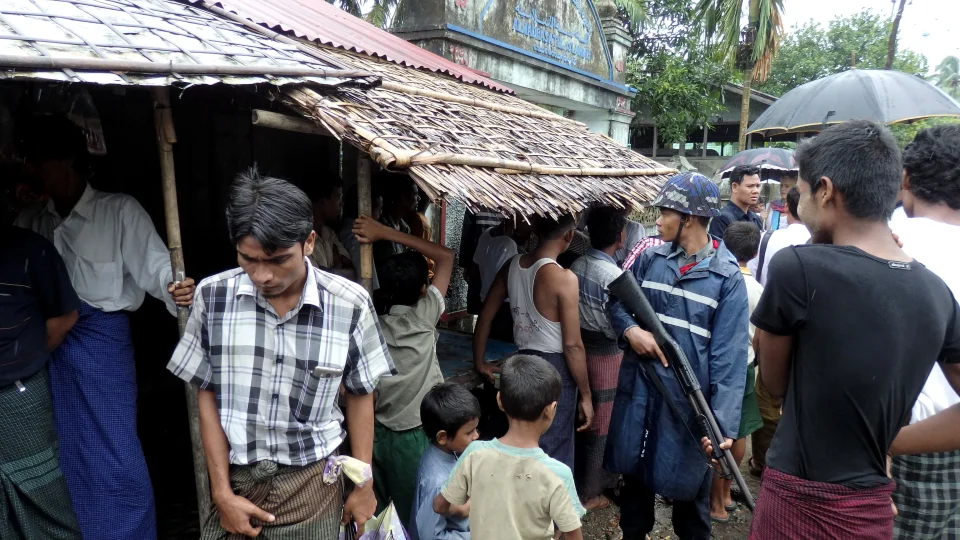
ICJ Myanmar Rohingya Genocide Judgment: The International Court of Justice (ICJ) on Thursday found Myanmar responsible for committing genocide against the Rohingya Muslim minority during the military's 2017 operations in northern Rakhine State. The landmark judgment marks the first time the United Nations' top court has held a state responsible for genocide.
The ruling brings a significant development in the Rohingya community's long pursuit of justice, with the Court also directing Myanmar to facilitate the safe and dignified return of displaced Rohingya and the reunification of families. For hundreds of thousands who fled to Bangladesh, the judgment has renewed hopes of returning home after years in refugee camps.
Reading out the judgment, ICJ President Judge Yuji Iwasawa said the Court found that Myanmar's security forces had killed thousands of Rohingya civilians, committed widespread sexual violence, carried out extreme violence against children and attacked people fleeing the military operations. The 15-judge panel delivered its decision by a 9-6 majority, rejecting Myanmar's argument that the 2017 military campaign was a legitimate counter-insurgency operation against armed groups.
ICJ Finds Myanmar Acted With Genocidal Intent
The Court concluded that the evidence established Myanmar's intention to destroy a substantial part of the Rohingya population in northern Rakhine State. Judge Iwasawa said the only reasonable inference that could explain Myanmar's actions was an intention to destroy a substantial part of the protected Rohingya group. This met the legal threshold for genocide under the 1948 Genocide Convention.
The judgment examined the conduct of Myanmar's security forces during the so-called clearance operations in 2017. These included mass executions of Rohingya men and boys, widespread rape and sexual violence against women, attacks on children and the burning or destruction of hundreds of villages.
The military campaign followed attacks by the Arakan Rohingya Salvation Army (ARSA) on security posts. Myanmar had maintained that its forces were conducting counter-terrorism operations. The ICJ rejected this defence in its assessment of the state's responsibility.
Rohingya Refugees Get Hope of Returning Home
One of the most consequential aspects of the judgment concerns the future of Rohingya who were forced to flee Myanmar. The Court said Myanmar must facilitate the safe and dignified return of Rohingya displaced by its wrongful acts, along with the reunification of families. It also held that Myanmar must compensate victims for the violations, with the amount to be determined at a later stage.
The issue of return remains central to the Rohingya crisis. The 2017 military campaign drove more than 700,000 people across the border into Bangladesh. Around 1.2 million Rohingya refugees now live in the country, many in overcrowded camps in Cox's Bazar.
The Gambia, which brought the case before the ICJ in 2019, had sought measures to secure the Rohingya's right to return, along with citizenship, protection from discrimination and compensation for the harm suffered.
However, the judgment does not mean that refugees can immediately return. Their safe repatriation will depend on Myanmar implementing the Court's directions and ensuring conditions that protect their rights and security.
A Landmark Ruling, But Questions Over Enforcement Remain
The judgment is a major development in international efforts to hold Myanmar accountable for atrocities against the Rohingya. It is also the first time the ICJ has found a state responsible for committing genocide.
The Court's rulings are final and legally binding on the parties, with no provision for appeal. However, it has no independent enforcement mechanism. If Myanmar fails to comply, the matter could be brought before the United Nations Security Council.
For the Rohingya, the ruling provides international legal recognition of the atrocities they endured and establishes Myanmar's responsibility under the Genocide Convention. Whether that recognition translates into safe return, reparations and lasting protection will depend on what happens next.