The WhatsApp-to-Postal Pipeline: India-US Probe Uncovers Drug Trafficking Network
Operation Monsoon Thunder: US India drug network: Around 3,000 parcels involving nearly five lakh tablets were identified, as NCB India and the US DEA dismantled an opioid trafficking network.
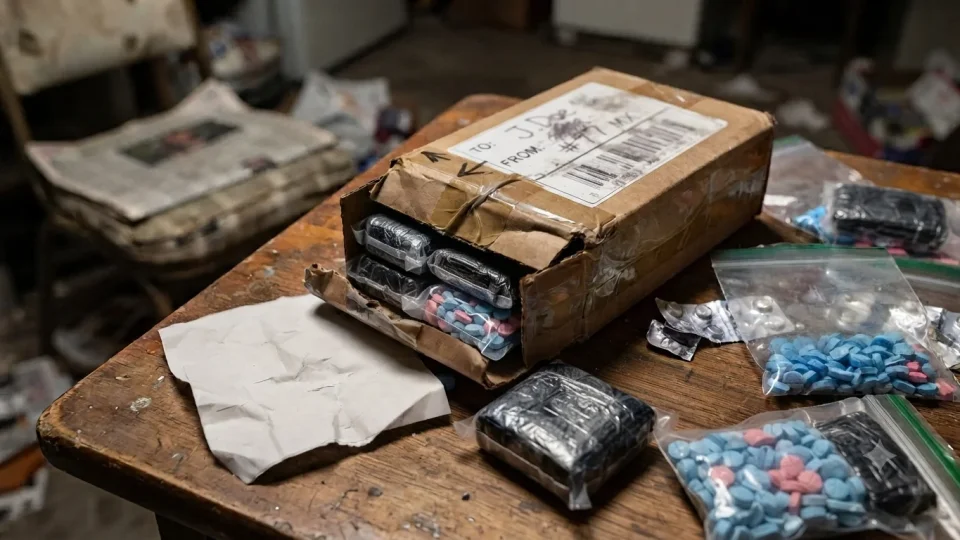
Operation Monsoon Thunder: India’s Narcotics Control Bureau (NCB), working closely with the United States Drug Enforcement Administration (DEA), has dismantled the Indian module of a transnational drug trafficking network accused of supplying psychotropic and opioid drugs to consumers in the United States. Six people have been arrested across four Indian cities under Operation Monsoon Thunder.
The NCB said the network used digital platforms, including Telegram and WhatsApp, to run its operations, while Google Sheets were allegedly used to manage orders. Deliveries were made through postal channels, including drop-shipping consignments, and payments were routed through digital payments, cryptocurrency and hawala networks.
🇮🇳 𝗢𝗣𝗘𝗥𝗔𝗧𝗜𝗢𝗡 𝗠𝗢𝗡𝗦𝗢𝗢𝗡 𝗧𝗛𝗨𝗡𝗗𝗘𝗥 🇮🇳🤝🇺🇸 🔷 NCB India, in close coordination with the US DEA, has successfully busted the Indian module of a transnational drug trafficking network facilitating the supply of psychotropic and opioid drugs within the United States. 🔷 The network operated through digital platforms, including Telegram and WhatsApp, with Google Sheets used for managing orders. Postal channels, including drop-shipping consignments, were exploited for deliveries, while digital payments, cryptocurrency and hawala networks were used for financial transactions. 🔷 Key Operational Outcomes: ✅ 6 persons arrested across 4 Indian cities ✅ Approximately 3,000 parcels involving nearly 500 thousand tablets identified which were shipped within USA ✅ Data relating to over 59,000 US subjects shared with US DEA ✅ 2 live consignments intercepted by US DEA 🔷 The operation underscores the strength of India–US law enforcement cooperation and the commitment of both agencies to dismantling transnational drug trafficking networks. Further investigation is underway to identify the masterminds, dropshipers , trace financial proceeds and establish wider international linkages. 📌 NCB India remains committed to combating drug trafficking through intelligence-led enforcement and strong international partnerships. #NCB #OperationMonsoonThunder #NCBIndia #DEA #IndiaUSCooperation #DrugFreeIndia @HMOIndia @dg_ncb @PIBHomeAffairs @MEAIndia @ONDCP @MIB_India @USAndIndia @IndianEmbassyUS @DEAHQ
— NCB INDIA (@narcoticsbureau) November 20, 2026
The agency said around 3,000 parcels involving nearly five lakh tablets were identified as having been shipped within the United States. It also shared data relating to more than 59,000 US subjects with the DEA. Two live consignments were intercepted by the US DEA, said NCB. The agency said further investigation is under way to identify the alleged masterminds and drop-shippers, trace financial proceeds and establish wider international linkages.
Digital-first Trafficking Model
The operation highlights how drug networks are increasingly using encrypted messaging apps, online payment systems and postal logistics to operate across borders. The NCB said Telegram and WhatsApp were used for communication, while Google Sheets helped manage orders. The alleged use of cryptocurrency and hawala networks points to an effort to obscure financial trails. Drop-shipping, in which parcels are sent directly from a supplier to a customer, was allegedly exploited for deliveries.
India-US Enforcement Partnership
The NCB described the case as an example of intelligence-led enforcement and strong India–US law enforcement cooperation. It said both agencies remain committed to dismantling transnational drug trafficking networks.
US Ambassador to India Sergio Gor also welcomed the action, calling it “a great example of the U.S.-India partnership in action”. He said the operation disrupted a network supplying illegal drugs to consumers across the United States and led to six arrests.
A great example of the U.S.-India partnership in action! Under Operation Monsoon Thunder, India’s @narcoticsbureau, in close coordination with the U.S. @DEAHQ, disrupted a transnational drug trafficking network supplying illegal drugs to consumers across the United States - and apprehended six individuals. Thank you, Home Minister @AmitShah, for your leadership.
— Ambassador Sergio Gor (@USAmbIndia) November 21, 2026
What Happens Next
The NCB said investigations will continue to identify the alleged masterminds, track drop-shippers, trace proceeds and uncover wider international connections. The investigation is likely to unfold how Indian and US agencies coordinate on digital evidence, financial trails and cross-border postal consignments.