3,500 Aircraft In The Sky, Then A Nationwide Halt: US Air Traffic Control Glitch Explained
The US lifted a nationwide flight ground stop after five hours on Friday, following a communications failure that disrupted air traffic control operations. The Trump administration said new technology had overwhelmed ageing systems, triggering widespread flight delays and diversions and raising fresh concerns about America's aviation infrastructure.
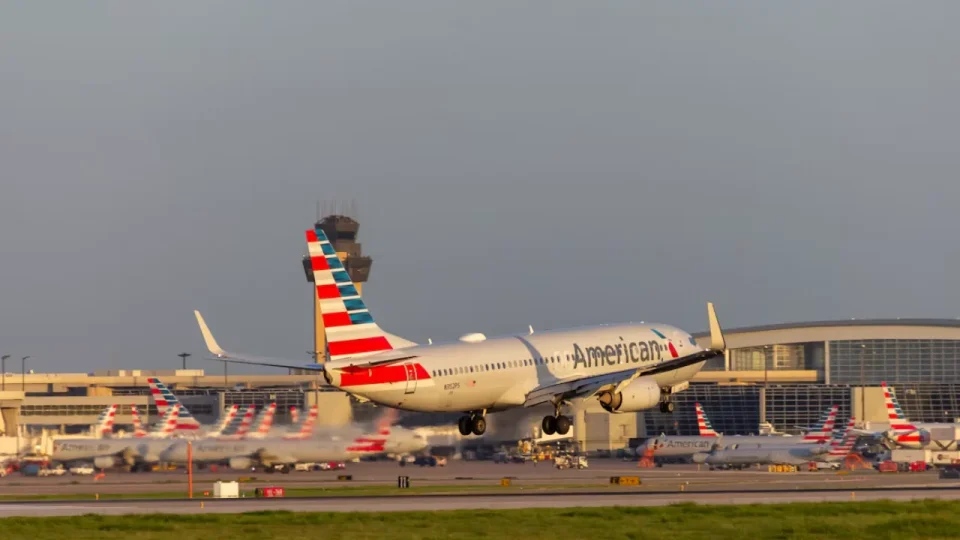
US Flight Disruption Update: A communication glitch affecting the system that directs aircraft between airports hit the United States severely when around 3,500 flights were already in the sky on Friday. The Federal Aviation Administration (FAA) immediately ordered a nationwide halt to most flights, citing 'extraordinary circumstances'. Officials said it was the longest nationwide ground stop in 25 years and only the second such restriction since the September 11, 2001, attacks.
Meanwhile, thousands of passengers aboard flights were left stranded at airports, waiting for their flights to resume. However, there was no certainty about when the flights would take off, as the communication system that had guided US pilots for years was overwhelmed by the new technology being introduced into the country's air traffic control network, causing intermittent communication and radar gaps. The Trump administration confirmed this.
The system was finally restored after five hours. Homeland Security Secretary Markwayne Mullin said that more than 3,000 aircraft had been brought down safely during the disruption. Transportation Secretary Sean Duffy stated that, at the height of the stoppage, around 3,500 aircraft were in the air. That number had fallen to fewer than 400 as the restrictions continued.
Although a limited number of domestic flights began departing after the order was lifted, the disruption is expected to take time to resolve. Aircraft and crew members were left out of position, raising the possibility of further delays and cancellations over the weekend.
The nationwide ground stop lifted at 8:15pm ET. Here’s a breakdown of today’s timeline: - At 3:36 p.m. ET, @FAANews experienced telecommunications issues at facilities & TRACONs across the country - The FAA issued a ground stop out of an abundance of caution while 3,500+ planes were in the air - Pilots and air traffic controllers followed established procedures to safely land the aircraft, bringing the number in the airspace down to under 400 as of 8pm ET - The FAA confirms they did not lose all radar or telecom, and exceptions were made to allow critical medevac, life-saving cargo, and law enforcement flights to continue operating
— Secretary Sean Duffy (@SecDuffy) November 14, 2026
What Caused The Nationwide Flight Disruption?
The disruption was linked to communications problems at regional air traffic control centres responsible for directing aircraft travelling between airports across the country. Mullin said the FAA was installing new equipment and technology, which appeared to have overwhelmed the older systems still in use.
Asked whether investigators could rule out a cyberattack or an incident involving artificial intelligence, Mullin said there was no indication of either. Officials described the problem as appearing to be mechanically driven, while cautioning that the investigation was not yet complete. The incident has renewed concerns about the condition of America's ageing aviation infrastructure and the challenges of integrating newer technology into systems that remain dependent on older equipment.
The @FAAnews issued a nationwide ground stop for all U.S. airports following a communication issue impacting all Air Route Traffic Control Centers. FAA technicians are investigating the issue. We will provide immediate updates as we have them.
— Secretary Sean Duffy (@SecDuffy) November 13, 2026
The US government has been working to modernise its air traffic control network after years of warnings about outdated technology. Congress approved USD 12.5 billion for the overhaul last year, with fibre-optic cables replacing older copper wiring and radio equipment gradually being upgraded at airports. However, Duffy has said another USD 30 billion will be required to complete the modernisation programme. The White House has begun seeking further congressional funding.
The latest disruption also follows a communications outage in September that affected hundreds of flights across the northeastern United States. That incident was attributed to a construction crew accidentally cutting a fibre-optic cable.
Thousands Of Flights Diverted As Passengers Left Stranded
The ground stop affected air travel across the country, with at least 827 flights diverted, according to aviation analytics company Cirium. As of 7.05 pm Eastern time, 670 flights had been sent back to their airports of origin, while another 157 had been redirected to different airports. Washington Dulles International Airport, Los Angeles International Airport, Cincinnati/Northern Kentucky International Airport and Nashville International Airport were among the airports receiving diverted flights.
Around 11,000 flights carrying more than 1.5 million passengers had been scheduled to depart US airports after 4 pm Eastern time, highlighting the scale of the potential disruption. At Chicago O'Hare International Airport, passengers learnt about the ground stop through departure screens showing widespread delays. Some were left weighing whether to book hotel rooms, abandon their journeys or find alternative ways to reach their destinations.
At 20:54 UTC, the FAA issued a nationwide ground stop for all flights departing for US airports due to an equipment outage. At the time, 4,042 flights destined for US airports were already airborne. Watch the next two hours of US air traffic. https://t.co/qbtzX7cMtc
— Flightradar24 (@flightradar24) November 13, 2026
The disruption also affected major sporting events. NBA, NHL and college teams were stranded as they attempted to travel for scheduled fixtures, while NFL teams faced uncertainty over whether they could reach their destinations in time for weekend games. Duffy said NCAA teams would receive priority ahead of Saturday's football matches and encouraged teams to coordinate their departure schedules with the FAA.
Cargo operations were affected as well. FedEx, the world's largest cargo airline, said it was prepared to activate contingency plans to minimise disruptions. US airlines transport around 61,000 tons of goods daily to and from more than 220 countries, according to industry trade group Airlines for America.
Ageing Aviation Infrastructure Under Scrutiny
The nationwide shutdown has exposed the risks of relying on ageing communications infrastructure while attempting to introduce new technology into a critical public transport network. Aviation safety expert Steve Arroyo, a former United Airlines pilot, said the loss of reliable communication between controllers and pilots leaves authorities with little choice but to keep aircraft on the ground rather than risk flying them without adequate coordination.
Friday's incident was different from the nationwide grounding following the September 11 attacks. Aircraft already in the air were not ordered to land immediately, and pilots were likely still able to communicate with ground controllers at individual airports, Arroyo said. While officials said they expected the system to recover in time for the Thanksgiving travel rush, Duffy could not guarantee that a similar disruption would not happen again.
For passengers, the immediate concern is the backlog left behind by the shutdown. Even with flights cleared to resume, the time required to reposition aircraft and crews could prolong disruption well beyond the five-hour ground stop.