India’s Eyes Over the Indian Ocean: Navy Marks 50 Years of Maritime Reconnaissance
From the Super Constellation to the P-8I: the Indian Navy marks 50 years of maritime security over the Indian Ocean and beyond, using Long Rang Maritime Reconnaissance (LRMR)
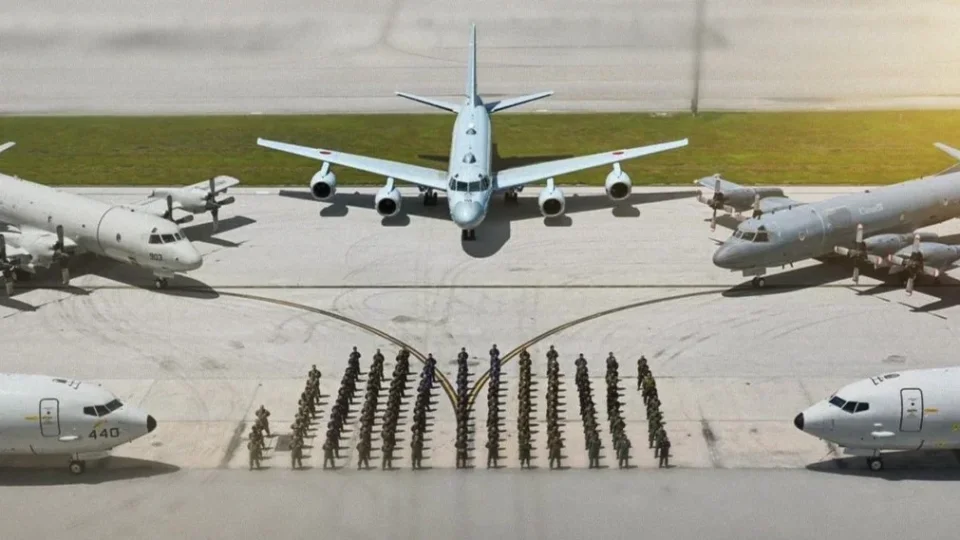
The Indian Navy on Wednesday, November 18, marked 50 years of Long-Range Maritime Reconnaissance (LRMR), the airborne surveillance capability that helps it keep a watch over the Indian Ocean and beyond. This milestone coincides with the golden jubilee of the commissioning of Indian Naval Air Squadron (INAS) 312, also known as the ‘Albatross’.
The anniversary marks five decades during which the Navy’s patrol aircraft have tracked vessels, searched for submarines, supported anti-piracy efforts and assisted in search-and-rescue missions across India’s vast maritime neighbourhood.
Indian Navy marks 50 years of Long-Range Maritime Reconnaissance ▶️The milestone coincides with the 50th anniversary of the commissioning of Indian Naval Air Squadron (INAS) 312, the ‘Albatross’, and commemorates five decades of airborne vigil in support of India’s maritime security. ▶️Following the 1971 war, the need for shore-based maritime patrol aircraft capable of working alongside ships and helicopters led the Navy to assume responsibility for long-range maritime reconnaissance. ▶️On 18 Nov 1976, INAS 312 was commissioned at INS Hansa, Goa, with five Lockheed Super Constellation aircraft transferred from the Indian Air Force. Click here for detailed information: https://t.co/xmpWxqEilt
— PIB India (@PIB_India) November 18, 2026
Indian Navy’s Eyes in the Sky
India depends on the seas heavily for trade, energy supplies and security. Its naval aircraft act as the “eyes in the sky”, spotting ships, submarines and unusual activity long before they come close to Indian waters. The LRMR refers to aircraft designed to fly far from shore and monitor large areas of ocean. They gather intelligence, carry out surveillance, and can support anti-submarine warfare and maritime-strike operations.
The Navy said the capability became a priority after the 1971 war between India and Pakistan, when it needed shore-based patrol aircraft that could work alongside warships and helicopters.
The Albatross: 50-Year Journey
What is the Role of INAS?
INAS is a naval aviation unit of the Indian Navy that operates aircraft for missions such as maritime patrol, surveillance, anti-submarine warfare, transport, and search-and-rescue. INAS 312, or the ‘Albatross’, is the Navy’s long-range maritime reconnaissance squadron. It was commissioned on 18 November 1976 at INS Hansa, Goa
This is the Indian Navy's very first air squadron formed to carry out LRMR missions. Before November 1976, the Indian Air Force handled this job. On November 18, 1976, the Navy officially took over LRMR duties by commissioning INAS 312 at INS Hansa in Goa with five Lockheed Super Constellation aircraft.
From Where do they Operate Today?
The Navy’s P-8I aircraft currently operate from two bases: INAS 312 at INS Rajali in Arakkonam, Tamil Nadu, and INAS 316 at INS Hansa in Goa.
Over the Years Advancement
It began with five Lockheed Super Constellation aircraft transferred from the Indian Air Force. The squadron’s aircraft have changed dramatically over the years:
-
1976 Lockheed Super Constellation: The Navy’s first long-range maritime patrol aircraft.
-
1977 Ilyushin Il-38: Improved the Navy’s ability to search for submarines and monitor the seas.
-
1988 Tupolev Tu-142M: Extended the Navy’s patrol reach across the Indian Ocean Region.
-
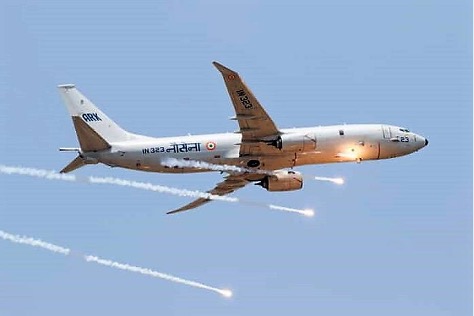
2013 Boeing P-8I: Brought modern surveillance, anti-submarine warfare and maritime-strike capability.
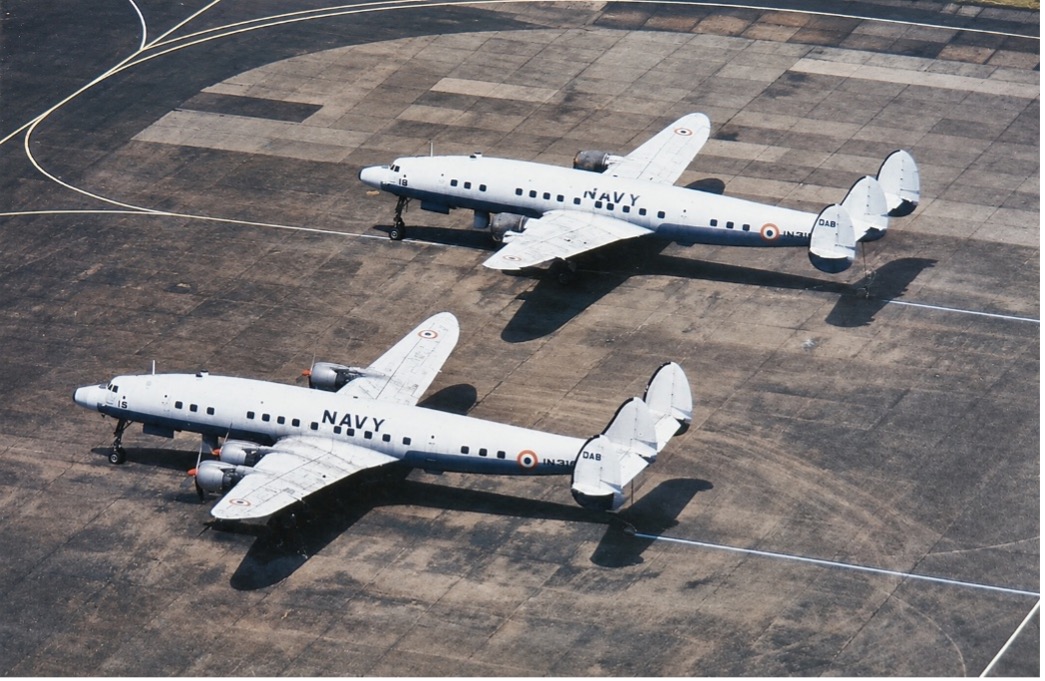
Courtesy: PIB
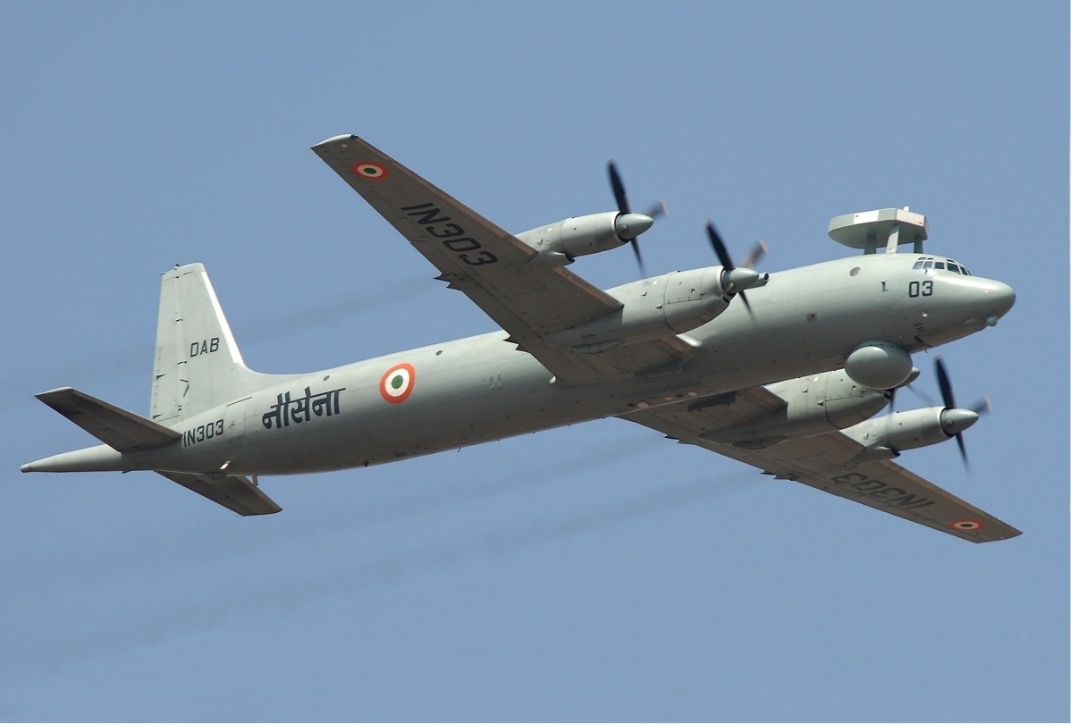
Courtesy: PIB
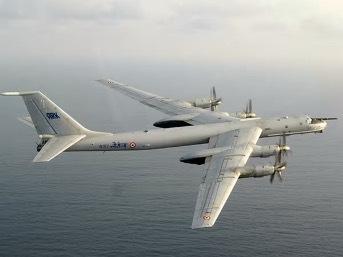
Courtesy: PIB
Courtesy: PIB
The P-8I is now the Navy’s principal long-range maritime reconnaissance aircraft. It can cover wide ocean areas, detect submarines and support operations involving ships, helicopters and other naval assets.
Missions Supported
LRMR aircraft have supported Operations Cactus, Vijay, Parakram and even Sindoor. They have also been used in anti-piracy missions and search-and-rescue operations, said the Navy. That makes the aircraft important not only during conflict, but also in everyday maritime security. They help monitor busy shipping lanes, respond to emergencies at sea and support India’s wider role in the Indian Ocean Region.
The Navy Saluted the Crews
The Navy, on the occasion, honoured the people behind the aircraft: pilots and aircrew, mission teams, maintainers and ground support staff. It said their work had built and sustained the capability for 50 years.
In a post on X, formerly Twitter, the Indian Navy described the milestone as “50 years of unwavering vigil” and saluted the aircrew and ground teams who have kept watch over the country’s seas.
𝟱𝟬 𝗬𝗲𝗮𝗿𝘀 𝗼𝗳 𝗨𝗻𝘄𝗮𝘃𝗲𝗿𝗶𝗻𝗴 𝗩𝗶𝗴𝗶𝗹 On 18 Nov 2026, #INAS312 ‘𝘼𝙡𝙗𝙖𝙩𝙧𝙤𝙨𝙨’ turns 50, marking five decades of #IndianNavy Long-Range Maritime Reconnaissance. From the Super Constellation to the P-8I, we salute the aircrew and ground teams who have kept watch over our seas. #LRMR
— SpokespersonNavy (@indiannavy) November 18, 2026
Why Long-Range Surveillance Aircraft Remain Central?
The golden jubilee of INAS 312 comes at a pivotal moment for India’s maritime security. With 95% of India's trade by volume and 80% of global seaborne oil transiting the Indian Ocean, safeguarding vital sea lanes against piracy, grey-zone disruptions, and growing extra-regional naval deployments has become a top strategic priority.
As India expands its footprint as the region's first responder, long-range platforms like the Boeing P-8I - and emerging unmanned assets like the MQ-9B Sea Guardian - will remain indispensable, giving the Navy the persistent reach needed to detect threats early and respond rapidly across millions of square kilometers of open ocean.