‘America or Iran’: US’ Bessent Sanctions Aim to Turn Iran’s Allies Against It. Why China in Focus
Bessent Sanctions: Operation Economic Outcast escalates US pressure on Iran, targeting its financial networks, oil trade and global economic ties while risking wider tensions.
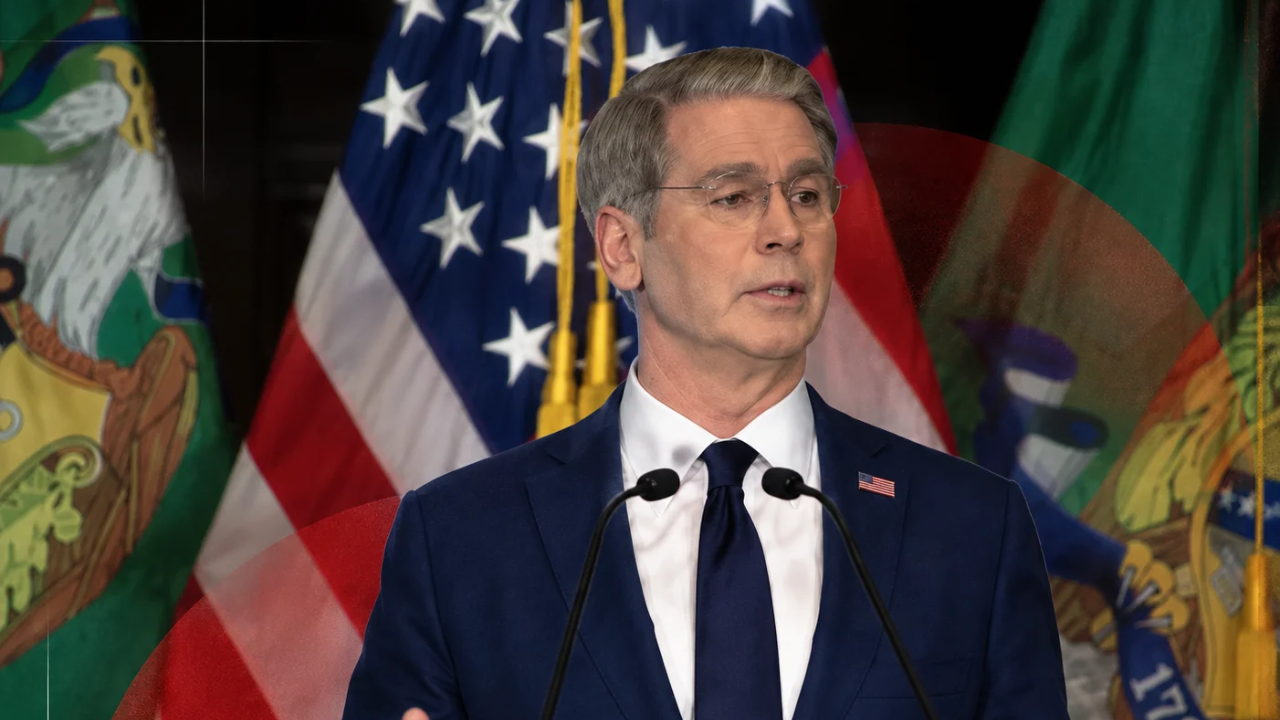
Bessent Sanctions: Operation Economic Outcast escalates US pressure on Iran, targeting its financial networks, oil trade and global economic ties while risking wider tensions.
By Pranjal Gupta
New Delhi, August 26: Washington's 'Economic D-Day' call was not a direct attack on Iran, but a challenging choice for the world leaders, as US Treasury Secretary Scott Bessent left US counterparts to make a decision between America and Iran. Scott stated that US aims at cutting off all possible revenue sources for Iran to hit its already-buckling economy. Therefore, any country who continues trade with Tehran will be cut off from US financial system.
US Treasury Secretary Scott Bessent on Monday announced what he called “Operation Economic Outcast”, launching at the direction of President Donald Trump. Bessent described the operation as an “economic D-Day”, borrowing the language of the Allied landings in Normandy during the Second World War.
What is the US actually targeting?
The Treasury Department has expanded the scope of possible secondary sanctions. These are particularly important because they can affect companies and financial institutions that are not American but continue to deal with Iran.
The new campaign focuses on five key areas:
Digital assets
Technology
Gold
Aviation
Shipping
The Treasury has also announced sanctions against nearly 60 Iran-linked individuals, entities and vessels connected to networks involving oil, nuclear, missile and cyber activities.
Bessent Sanctions: US Treasury Secretary Scott Bessent’s Iran sanctions campaign seeks to cut Tehran off from global finance, oil networks and international trade.
However, Washington has not immediately imposed its toughest possible measures on major Chinese banks and companies involved in Iranian trade. Instead, Bessent has warned countries that they have a final opportunity to change course.
That distinction matters because China is one of the biggest buyers of Iranian oil. Going directly after major Chinese financial institutions could turn the Iran conflict into a much wider confrontation between Washington and Beijing, particularly as Trump prepares for talks with Chinese President Xi Jinping.
Bessent's message was therefore both a threat and a warning: countries may still have time to reduce their economic links with Tehran before Washington decides to impose harsher penalties.
Why does this matter for Iran?
Iran has lived under US sanctions for decades, particularly since the 1979 Islamic Revolution. Yet Tehran has continued to trade through a network of intermediaries, front companies, shipping operators, exchange houses and other channels.
The new US strategy is designed to make those channels much harder to use.
Washington wants to make it increasingly difficult for Iran to sell oil, receive payments, move money, insure ships, operate commercial networks and maintain international financial connections.
The ultimate goal is not simply to sanction individual Iranian companies. It is to make doing business with Iran increasingly risky for almost everyone else.
Bessent said the choice facing Tehran was now between “severe global isolation” and eventual
reintegration into the world economy.
China could become the biggest test
The biggest question is how far the United States is willing to go against China.
China remains an important market for Iranian oil, while Washington has already sanctioned smaller Chinese refineries, shipping companies and financial networks accused of helping Tehran.
But sanctioning major Chinese banks would be a different matter.
Such a move could invite retaliation from Beijing and potentially widen an already dangerous geopolitical conflict. It could also complicate US-China trade negotiations.
That is why Bessent's warning that “no one is above the reach of US sanctions” is significant. Washington is signalling that even major economic powers could eventually face pressure if they continue supporting Iran's financial networks.
Iran's economy is already under severe pressure
The campaign comes at a particularly difficult moment for Iran.
The Iranian rial has fallen to a record low, while the cost of basic food has surged. The country's economy is also facing the consequences of the prolonged conflict and disruption to trade.
The International Monetary Fund (IMF) expects Iran's economy to contract by more than 5%, according to the figures cited in the campaign briefing.
This means the new sanctions are arriving when Iran is already struggling with inflation, currency weakness and reduced economic activity.
For ordinary Iranians, however, economic pressure does not necessarily translate directly into political change. Sanctions can weaken a government while simultaneously making everyday life harder for the population through higher food prices, shortages and falling purchasing power.
For now, the US is betting that financial pressure can achieve what months of military pressure and diplomacy have failed to accomplish: force Tehran to change course.