Bankipur Bypoll: Can Prashant Kishor Break BJP's 30-Year Hold in His Electoral Debut?
This bypoll tests whether Bankipur's loyalty was to the BJP brand or to five-term incumbent Nitin Nabin, who's since moved up and been replaced by a far weaker candidate. The sharp turnout drop cuts both ways, it could reflect either fading enthusiasm for Kishor's challenge or a less motivated BJP base. New Delhi, Aug 3: Counting began at 8 am on Monday for the Bankipur assembly bypoll in Patna, closing out a contest that has drawn attention less for the seat itself than for the man...
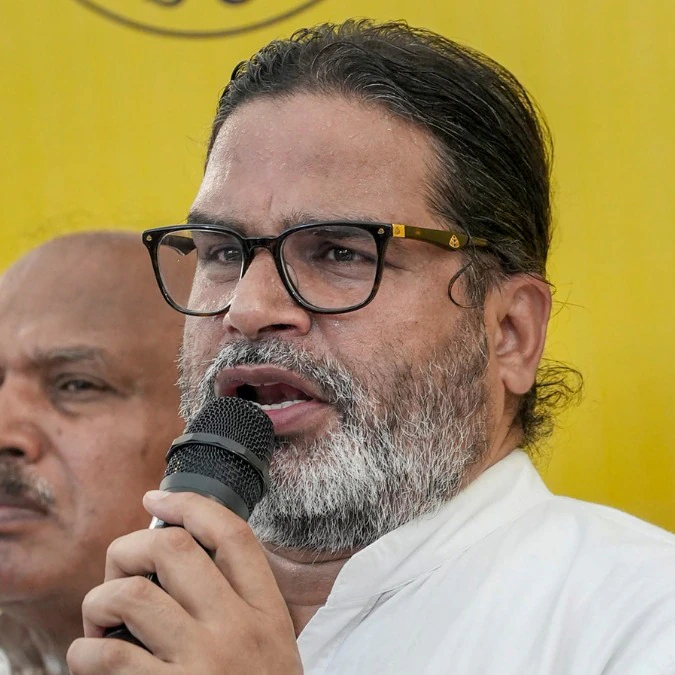
This bypoll tests whether Bankipur's loyalty was to the BJP brand or to five-term incumbent Nitin Nabin, who's since moved up and been replaced by a far weaker candidate. The sharp turnout drop cuts both ways, it could reflect either fading enthusiasm for Kishor's challenge or a less motivated BJP base. New Delhi, Aug 3: Counting began at 8 am on Monday for the Bankipur assembly bypoll in Patna, closing out a contest that has drawn attention less for the seat itself than for the man attempting to win it. Prashant Kishor, the former political strategist who has spent nearly two decades shaping other parties' campaigns before launching his own, is contesting an election for the first time in his life, and Bankipur is not a soft entry point. The BJP has not lost this constituency since 1995, when it was still known as Patna West, and its outgoing MLA Nitin Nabin, now the party's national president, held the seat for five consecutive terms, most recently defeating RJD's Rekha Gupta by more than 50,000 votes in November's assembly election.
The bypoll was necessitated by Nabin's own ascent. He vacated Bankipur in April after being elected to the Rajya Sabha, and the seat now returns to a field noticeably thinner in stature: the BJP has fielded Neeraj Kumar Sinha, a comparatively low-key youth wing leader, in place of the five-term incumbent who built the constituency's recent electoral history. That substitution matters for how the contest should be read. A bypoll in a seat vacated by a popular sitting legislator's promotion is structurally different from one triggered by defeat, death, or scandal, it tests whether an electorate's loyalty was to the party or to the individual who represented it, at a moment when the party has replaced that individual with someone considerably less established.
Turnout offers an early signal on that question, though not a conclusive one. The bypoll recorded 34.30 percent turnout on July 30, down more than seven percentage points from the 41.45 percent recorded in the November assembly election just months earlier.
Depressed bypoll turnout is a familiar pattern across Indian elections, voters routinely treat by-elections as lower-stakes than general polls, but the scale of the drop here, in a seat with an unusually high-profile challenger in the fray, complicates any simple reading. A weaker turnout could reflect either flagging enthusiasm for Kishor's challenge or a BJP base that felt less urgency to turn out for a lower-profile candidate than it did for Nabin himself.
Kishor's own framing of the contest has been to inflate its stakes well beyond the arithmetic of a single assembly seat, arguing that a Jan Suraaj win would carry disproportionate weight against the government and could pressure the chief minister's position. That claim is worth treating with some scepticism on its own institutional logic: one seat, however symbolically loaded, does not restructure a state assembly's numbers, and any pressure it generates would be political rather than procedural. What the result can more credibly establish is narrower and, in its way, more interesting, whether a fledgling party built by a strategist with no prior electoral base of his own can convert public recognition and campaign expertise into an actual vote count, in a constituency that has given the BJP an unbroken run for three decades.
With 26 candidates in the fray, including RJD's Gupta making her second consecutive attempt at the seat, the contest is not a straightforward two-way fight either, a detail that further complicates any early reading of the turnout numbers before actual counting trends emerge.