Bastar Land Rights Drive Gives Legal Ownership to More Than 8,200 Families
By The Slate Bureau Jagdalpur, India, June 20: A large-scale land records campaign in India's Bastar district has granted legal land ownership rights to more than 8,200 families by updating government records to reflect the names of rightful heirs, local authorities said. The initiative, launched by the district administration in the central Indian state of Chhattisgarh, targeted long-pending inheritance-related land mutation cases — a process through which land records are updated after the...
By The Slate Bureau
Jagdalpur, India, June 20: A large-scale land records campaign in India's Bastar district has granted legal land ownership rights to more than 8,200 families by updating government records to reflect the names of rightful heirs, local authorities said.
The initiative, launched by the district administration in the central Indian state of Chhattisgarh, targeted long-pending inheritance-related land mutation cases — a process through which land records are updated after the death of a property owner.
For years, many families in Bastar faced difficulties accessing bank loans, welfare benefits and legal ownership rights because land records continued to carry the names of deceased relatives.
Under the campaign, officials collected data from 611 villages and reviewed more than 17,400 registered deaths over the past four years. Authorities identified 8,651 cases requiring land record updates and completed 8,241 of them, leaving only 410 cases pending.
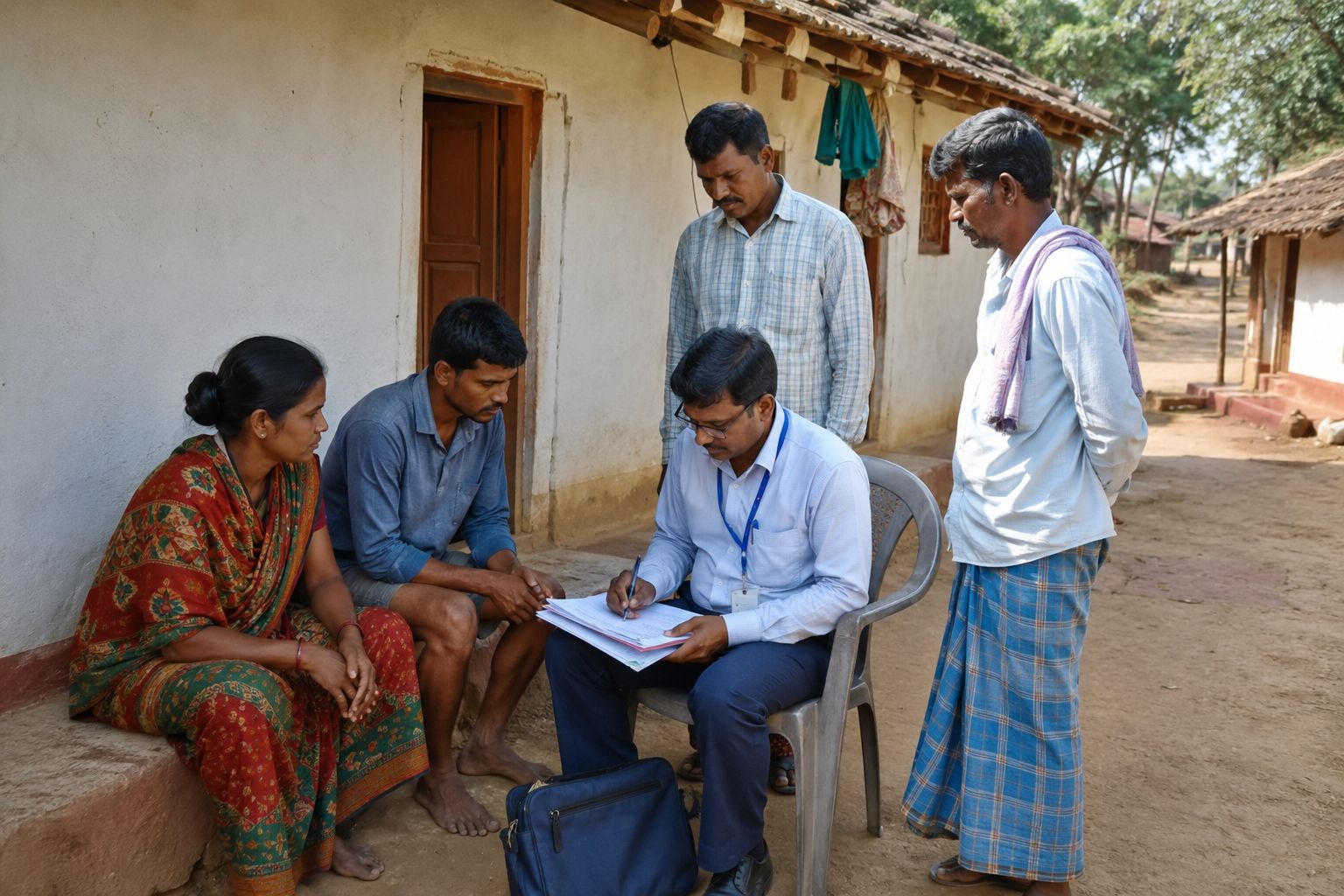
The effort involved village-level officials, land record staff and local administrators who conducted door-to-door verification, arranged missing death certificates, prepared family records and processed legal documentation required for ownership transfers.
The campaign covered major administrative regions across Bastar district, including Jagdalpur, Tokapal, Bakawand, Lohandiguda and Darbha.
Chhattisgarh Chief Minister Vishnu Deo Sai said the initiative reflects the government's commitment to ensuring public services reach citizens directly rather than forcing residents to navigate lengthy bureaucratic procedures.
"It is our priority that legal heirs receive their rightful ownership without unnecessary delays," Sai said, adding that updated land records would help families access government programmes, banking services and other economic opportunities.
District officials said the initiative is expected to reduce land disputes, improve access to welfare schemes and strengthen confidence in public institutions, particularly in remote and tribal-dominated areas where land documentation issues have historically remained unresolved.
Beyond legal ownership, authorities say the updated records will enable families to obtain institutional credit, access educational benefits and participate more effectively in government welfare programmes.
Officials described the initiative as a model of proactive governance that could be replicated in other parts of India facing similar land record challenges.