Caste Census: No Surname or Sub-Caste Checks as Centre Goes Open-Ended
The government’s decision echoes the 2011 approach, when unverified responses produced millions of caste names and created major administrative challenges.
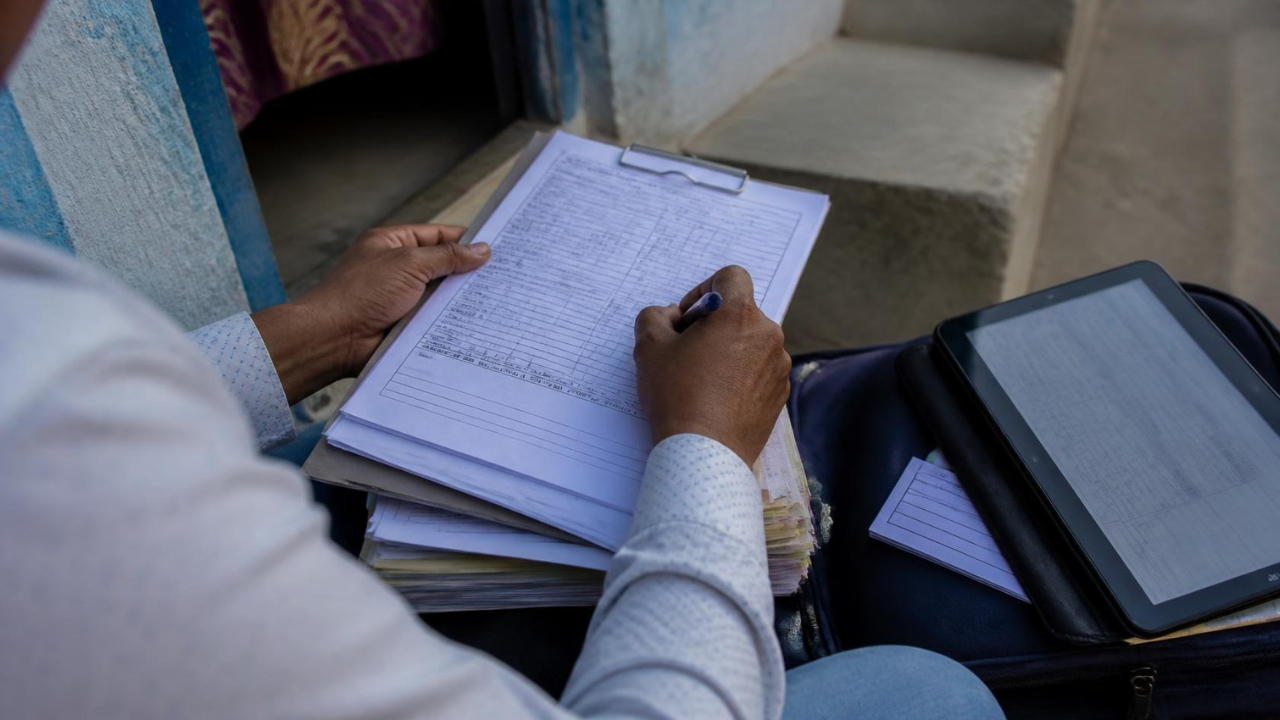
Caste Census: The government’s decision echoes the 2011 approach, when unverified responses produced millions of caste names and created major administrative challenges.
By Sakshi
New Delhi, August 10: As India prepares for the caste census, the Union Home Ministry has decided to go with an open-ended question for caste rather than cross-checking with the government-described caste categories. The decision has been taken in compliance with the Registrar General of India (RGI), the agency responsible for collecting the data.
Enumerators will only ask people about their caste and record it as stated, without trying to get more information about their surname, sub-caste or other responses to detail their caste information, said The Indian Express, quoting its sources.
This format is expected to give results similar to the 2011 survey, published by the Socio-
Economic and Caste Census (SECC).
The Centre will use an open-ended format for caste enumeration, allowing respondents to state their caste without surname or sub-caste verification, despite concerns over data quality. (AI-Generated Image)
Conducting date for caste census
Population enumeration and the caste census will be conducted in February next year across the entire country. In snow-bound areas, this might begin from September 1 to avoid difficulties during the winter months.
A senior MHA officer said that there will be no drop-down question in the caste section for the enumerator during the process. They are not allowed to ask questions about surnames and sub-castes. The response should be written as stated by the respondent, the news report added.
The RGI will use the drop-down menu format for OBCs, and notified Scheduled Castes and Scheduled Tribes communities. The decision to leave the system open-ended was taken afterwards.
The 2011 story with the problem
In 2011, the SECC had also used the open-ended question, which led to poor-quality data because of inadequate responses and self-reported caste names without verification. This led to major administrative problems.
The final data sheet showed around 46.7 lakh different caste names, compared with 4,147 recorded in the last comprehensive caste census in 1931. The Union government eventually withheld the raw caste data.
"Yes, it is true that an open-ended question will likely produce 2011-like results. But what can we do? We have always maintained that a caste census is fraught with possibilities of producing poor data because of the complexities involved. But the Opposition has been demanding it for political reasons. We have accepted it. Let them deal with the final data."
The government, however, maintains that an open-ended response is the only way to conduct the exercise without the State itself becoming an arbiter of caste identities.
This system was proposed so that the enumerator will only record what the respondent has said, rather than asking further questions related to their recognised caste, sub-caste or category.
For example, if someone says, "I am Yadav", the enumerator won't ask them to produce a caste certificate.
Concerns and questions left
The RSS (Rashtriya Swayamsevak Sangh) and sections of the Sangh Parivar have raised concerns over the decision to use existing Central and State caste lists, saying such lists can lead to further entrenchment of the old system created by the British rulers.