China's Evergrande Verdict Shows What Indian Insolvency Law Still Avoids
China's Evergrande founder Hui Ka Yan got life imprisonment and $2.3 billion in fines for fraud, within two years of the company's collapse. India's comparable cases (Amrapali, DHFL, Unitech) show promoters facing custody or contempt proceedings, but rarely conviction, as the IBC resolves companies faster than criminal courts resolve culpability. New Delhi, Aug 20: A court in Shenzhen sentenced Hui Ka Yan, founder of Evergrande, to life imprisonment on Thursday for large-scale fraud. His...
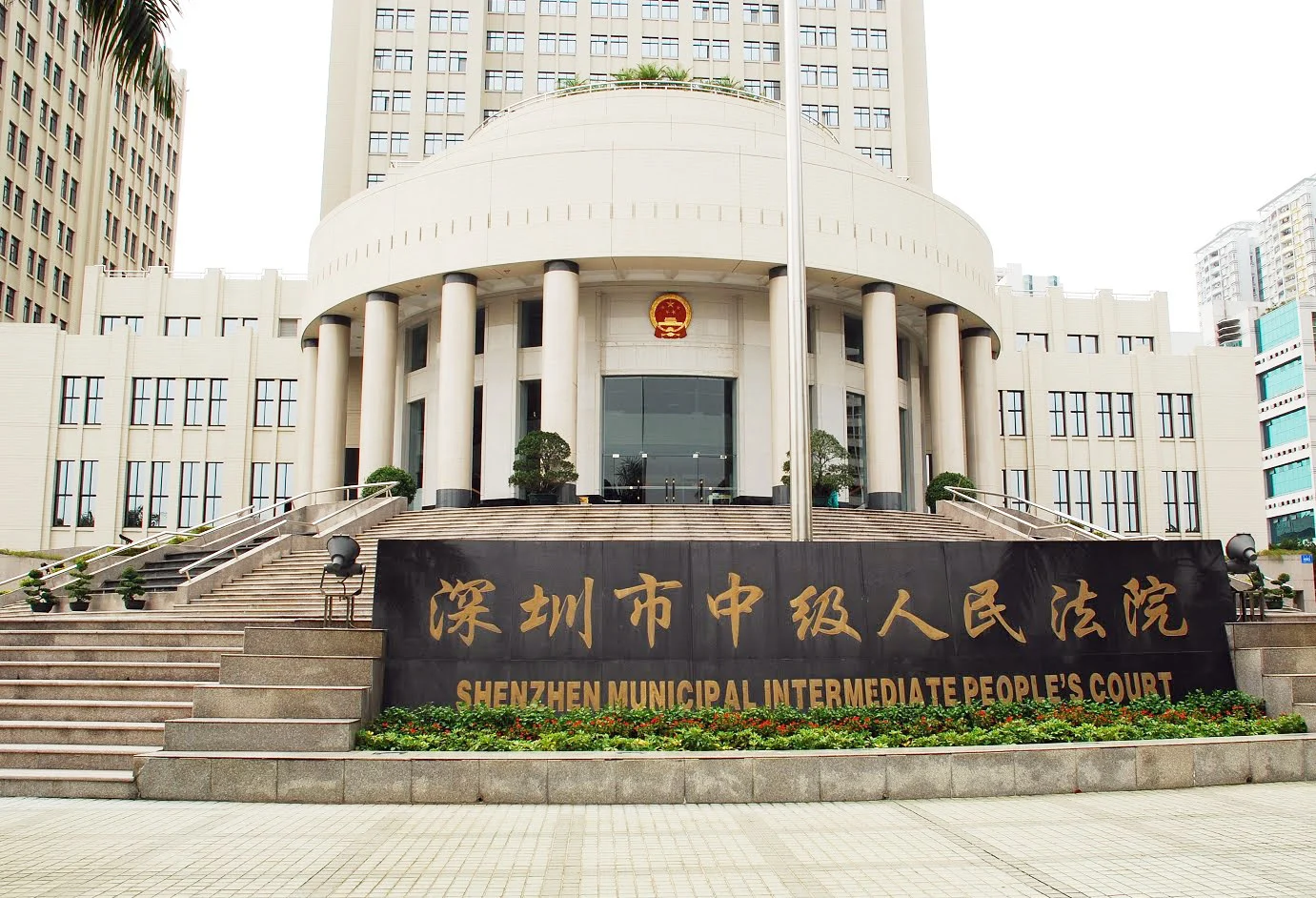
China's Evergrande founder Hui Ka Yan got life imprisonment and $2.3 billion in fines for fraud, within two years of the company's collapse. India's comparable cases (Amrapali, DHFL, Unitech) show promoters facing custody or contempt proceedings, but rarely conviction, as the IBC resolves companies faster than criminal courts resolve culpability. New Delhi, Aug 20: A court in Shenzhen sentenced Hui Ka Yan, founder of Evergrande, to life imprisonment on Thursday for large-scale fraud. His companies were fined a combined USD 2.3 billion, 8.82 billion yuan on Evergrande Group and 7 billion yuan on Evergrande Real Estate. Hui, known also as Xu Jiayin, pleaded guilty in April to charges spanning illegal absorption of public deposits, fraud and corporate bribery. Evergrande had carried more than USD 300 billion in liabilities before Beijing's 2020 deleveraging drive triggered its collapse and, with it, a crisis across China's property sector.
What the verdict fixes in place is a sequence: investigation, guilty plea, conviction, sentence, all within roughly two years of the company's unraveling becoming public. The personal sentence and the corporate fine arrive together, not on separate timelines.
India has no comparable sequence on record for its own real estate collapses of similar scale. Amrapali Group's failure to deliver housing to more than 40,000 buyers produced a Supreme Court-monitored receivership and forensic audit process, but the criminal cases against its promoters, registered since 2019, remain unresolved at trial. DHFL's promoters, the Wadhawans, are being prosecuted by the CBI and ED over an alleged Rs 34,000-crore fraud, one of the largest in Indian banking history, with the case still at the trial stage years after the company entered insolvency resolution. Unitech's founders spent time in custody, but through contempt-of-court proceedings before the Supreme Court rather than a fraud conviction.
The divergence traces back to design. Indian corporate collapses are routed through the Insolvency and Bankruptcy Code, a mechanism built for creditor recovery and the revival or liquidation of the company, not for establishing individual criminal liability. That liability, where pursued, runs through separate proceedings under the IPC, the Prevention of Money Laundering Act, or the Companies Act, tracks that operate independently of the insolvency timeline and, in practice, well behind it.
The consequence shows up in outcomes rather than statute. In China, the company was fined and its founder convicted within a single, connected process. In India, the company is typically resolved, sold, restructured or liquidated, well before, if ever, the criminal case against its promoter reaches a verdict. The corporate entity closes its books. The individual accountability question, more often than not, stays open.