Gadkari Clears the Jurisdictional Bar. The Harder Fight — Platform Liability — Hasn't Started
Bombay HC granted Nitin Gadkari leave under Clause XII of the Letters Patent to sue Meta, X and Google over alleged deepfakes, ruling that content's accessibility in Maharashtra suffices to root part of the cause of action there. The order only clears a jurisdictional threshold, questions of platform liability under IT Act safe harbour provisions remain untested. By Mahima Katal The Bombay High Court's order allowing Union Minister Nitin Gadkari to sue Meta Platforms, X Corp, Google LLC and...
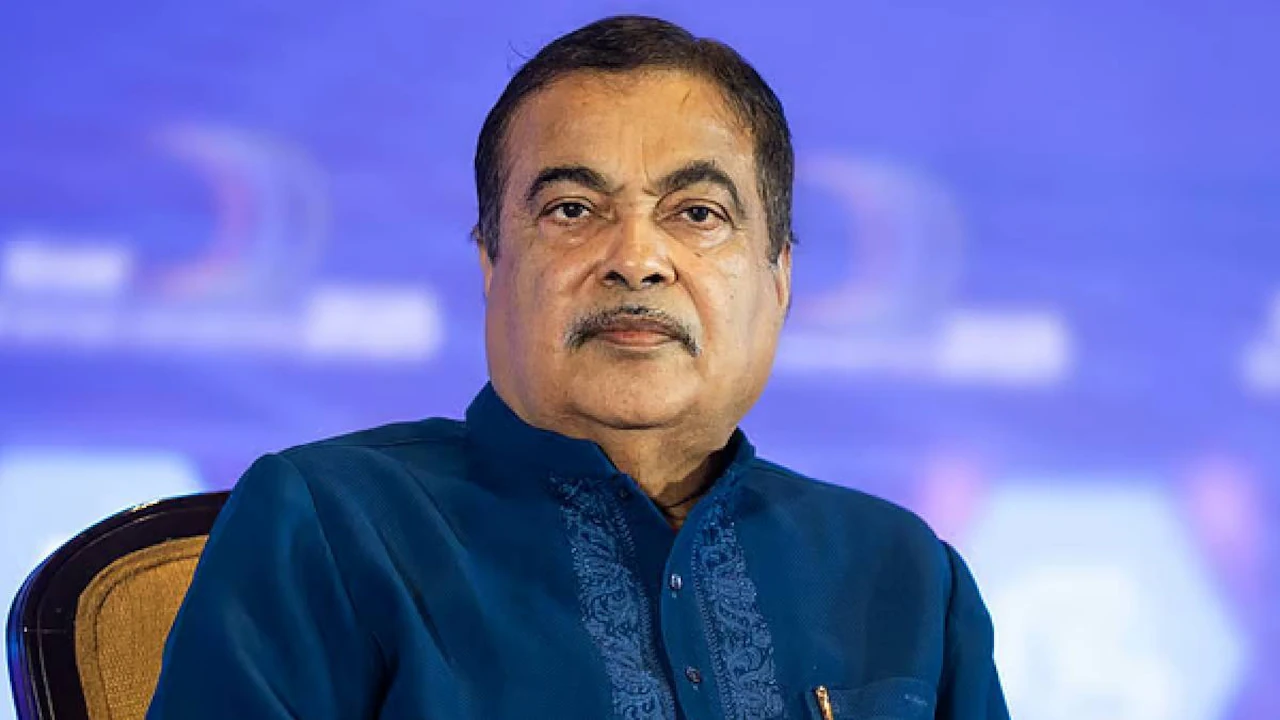
Bombay HC granted Nitin Gadkari leave under Clause XII of the Letters Patent to sue Meta, X and Google over alleged deepfakes, ruling that content's accessibility in Maharashtra suffices to root part of the cause of action there. The order only clears a jurisdictional threshold, questions of platform liability under IT Act safe harbour provisions remain untested.
By Mahima Katal
The Bombay High Court's order allowing Union Minister Nitin Gadkari to sue Meta Platforms, X Corp, Google LLC and unknown persons over allegedly defamatory deepfakes settles a threshold question and nothing more. Justice Abhay Ahuja's grant of leave under Clause XII of the Letters Patent clears Gadkari to file the suit in Bombay despite the fact that the impugned content, and the unidentified persons who uploaded it, may have no clear physical connection to Maharashtra at all. The order does not touch the question that will actually decide the case: whether Meta, X and Google can be held liable for content that unknown third parties uploaded to their platforms.
Gadkari's counsel, Sandeep Ladda, secured leave by arguing that the allegedly defamatory and deepfake material concerning the ethanol-blended fuel programme is accessible to users within Maharashtra, and that this accessibility supplies a substantial part of the cause of action within the state's territorial limits. The court accepted the submission. That finding lets the suit proceed, but a suit permitted to be filed is not a suit decided, and the platforms named as defendants have not yet had occasion to respond.
When they do, the central contest is likely to run through Section 79 of the Information Technology Act, which grants intermediaries conditional immunity from liability for third-party content hosted on their platforms, subject to compliance with due diligence obligations and the requirement that they act on actual knowledge of unlawful content, typically triggered by a court order or government notification. Platforms have historically resisted being treated as publishers of user-generated content, arguing instead that their function is that of a conduit, and Indian courts have had to work out, case by case, where that conduit function ends and editorial or publisher-like responsibility begins, particularly once a platform has been notified of specific unlawful material and has failed to act.
Gadkari's proposed suit seeks a permanent injunction restraining the continued availability of content that, he claims, falsely attributes personal responsibility for the fuel programme to him and falsely suggests financial benefit to him and his family. Framed this way, the claim sits in defamation, not in the personality or publicity rights framework that has anchored a separate recent line of Indian cases involving unauthorised AI-generated use of a public figure's name, voice or likeness. That distinction will matter once the platforms respond, since a defamation claim against an intermediary invites arguments about safe harbour and actual knowledge that a personality rights claim, framed around unauthorised commercial exploitation of identity, does not squarely raise in the same way.
There is also the more basic evidentiary problem sitting underneath the jurisdictional order: the suit names unknown persons as defendants because the actual uploaders of the deepfake content have not been identified. Discovery against the platforms, to the extent Indian procedure permits it in this context, may become the practical mechanism through which Gadkari's side attempts to trace the origin of the content, which in turn raises further questions about what platforms can be compelled to disclose about anonymous or pseudonymous users, and under what conditions.
None of this diminishes what Monday's order accomplished. Leave to sue under Clause XII is not a formality, and the reasoning by which accessibility within the forum was treated as sufficient to root part of the cause of action there is itself a data point in how Indian courts are approaching territorial jurisdiction over globally hosted online content. But the order is a gate, not a verdict, and the more consequential legal questions, on intermediary liability, safe harbour, and the platforms' actual knowledge obligations, remain entirely untested by anything decided so far.