India-Bangladesh Ganga Treaty Renewal Talks Remain Stalled as December Deadline Nears
India and Bangladesh have yet to formally begin renegotiating the Ganga Water Treaty, five months before its December expiry, even as MEA continues to cite the existing Joint Rivers Commission framework in response to Parliament's questions. The gap between that institutional language and the absence of a started negotiation is now what a parliamentary panel, not just Dhaka, is pressing New Delhi to close. New Delhi, Aug 4: The 1996 Ganga Water Treaty between India and Bangladesh is set to...
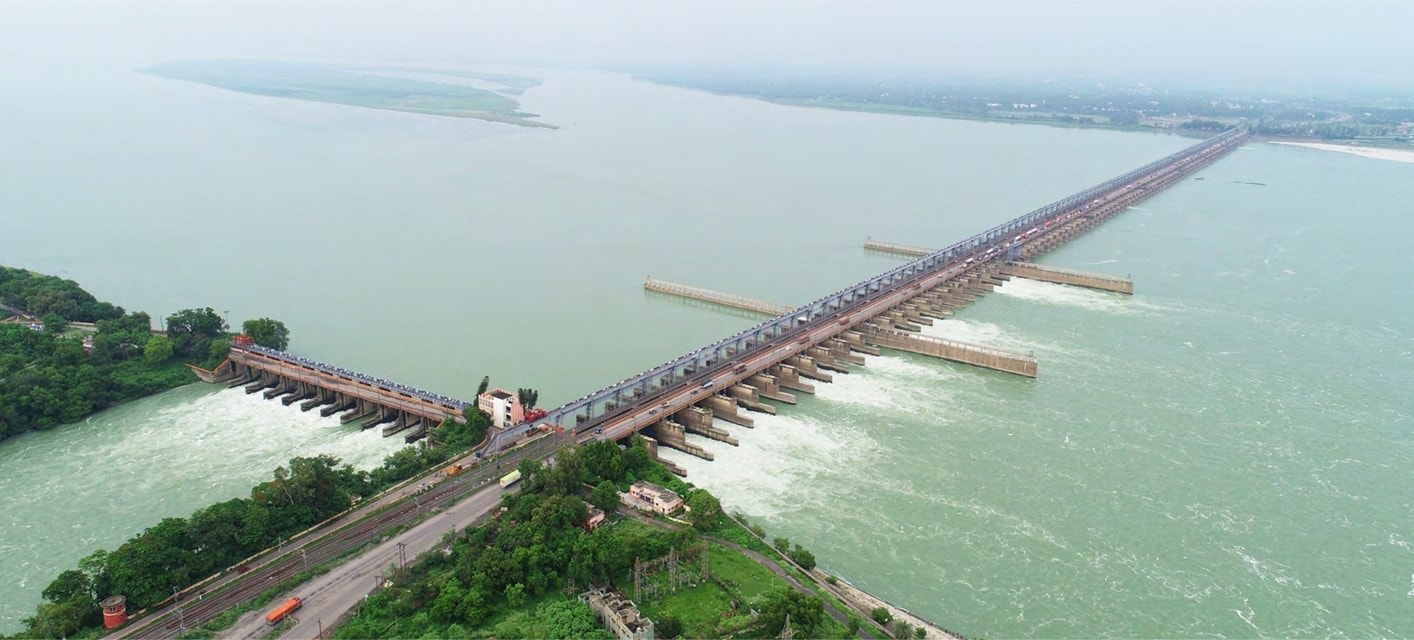
India and Bangladesh have yet to formally begin renegotiating the Ganga Water Treaty, five months before its December expiry, even as MEA continues to cite the existing Joint Rivers Commission framework in response to Parliament's questions. The gap between that institutional language and the absence of a started negotiation is now what a parliamentary panel, not just Dhaka, is pressing New Delhi to close.
New Delhi, Aug 4: The 1996 Ganga Water Treaty between India and Bangladesh is set to lapse in December this year, and with five months on the clock, the two countries have yet to formally sit down to negotiate its successor. Bangladesh's Ministry of External Affairs had sent India a request on June 8 to open discussions, but as of early June had received no reply, according to a person familiar with the matter cited by media. India's position, as conveyed through government sources, is that talks will proceed through the Joint Rivers Commission once both sides agree on convenient dates, the same institutional framework MEA spokesperson Randhir Jaiswal invoked when asked about the treaty's renewal at a press briefing on June 2, telling reporters that India and Bangladesh share 54 rivers and rely on the Commission as a structured bilateral mechanism to handle river-related issues.
That answer, procedurally accurate as it is, sits uneasily against what Parliament has been told. The Standing Committee on External Affairs, chaired by Congress MP Shashi Tharoor, has pressed the government to begin renewal discussions without further delay, and its report noted that bilateral talks had simply not yet started, despite an inter-ministerial committee having been formed as far back as July 2023 to review the agreement internally. In effect, the institutional architecture Jaiswal describes is not in dispute, the Commission exists, meetings do occur, but the specific negotiation Parliament and Dhaka are both asking about has not begun.
The stakes go beyond procedural friction. The current treaty's water-sharing formula rests on hydrological data collected between 1949 and 1988, a baseline experts say no longer reflects present-day river behaviour. Changing monsoon patterns, glacial retreat feeding the Ganges system, groundwater depletion, and more erratic dry-season flows have all complicated the assumptions the original formula was built on. Downstream, Bangladesh has linked reduced dry-season flows at the Farakka Barrage to rising salinity intrusion along its southwest coast, with consequences for agriculture, drinking water, and the Sundarbans ecosystem. Dhaka's water resources minister has said the government is reviewing its transboundary water arrangements with India more broadly, with an eye toward strengthening the Joint Rivers Commission and pursuing integrated basin management involving Nepal, Bhutan and China as well.
The political backdrop in Bangladesh has shifted considerably since the treaty was last a live issue. Sheikh Hasina, who signed the original agreement's successor negotiations groundwork with India before her ouster in August 2024, now remains in India following her removal. The interim government that followed under Muhammad Yunus took a comparatively adversarial posture toward New Delhi, leaving several bilateral matters, including the treaty renewal, without forward movement. Tarique Rahman, elected in February this year, has since taken steps to stabilise relations — Bangladesh's foreign minister visited New Delhi in May, and Rahman has been invited to attend the BRICS summit in September in his capacity as BIMSTEC chair, though Dhaka has yet to confirm his attendance. Other pending matters, including the resumption of a consular dialogue stalled since Hasina's tenure and used by Bangladesh to raise questions around the verification of individuals suspected of having crossed the border illegally — more than 2,000 of whom remain in Indian detention — continue to sit alongside the treaty as unresolved threads in the relationship.
Domestically, any renewal will also require consensus New Delhi does not fully control. West Bengal and Bihar, as the Indian states through which the Ganges flows before reaching Bangladesh, have historically had to be consulted on water-sharing terms, and West Bengal in particular has a record of resisting river agreements negotiated without its direct input — a dynamic that shaped the fate of the still-unresolved Teesta agreement and is likely to recur here.
What emerges is less a story about India refusing to renew the treaty than one about a negotiation that has not yet formally started, even as the institutional language used to describe the relationship — the 54 rivers, the Joint Rivers Commission, the "structured bilateral mechanism", remains unchanged from briefing to briefing. Whether that framework translates into an actual successor agreement before December, or whether the treaty lapses into an undefined interim period, is now a live question for both governments, and one Parliament itself has signalled it is no longer willing to let sit unanswered.