India Names Second Woman Lawyer Ever Appointed Directly to Supreme Court
By Mahima Katal India on Monday appointed senior advocate Venkita Subramani Mohana as a judge of the Supreme Court, making her only the second woman lawyer in the country's history to be directly elevated to the apex court from the Bar. Mohana's appointment marks a significant milestone for gender representation in India's higher judiciary, where women remain underrepresented despite gradual progress in recent years. The direct elevation of advocates to the Supreme Court is relatively...
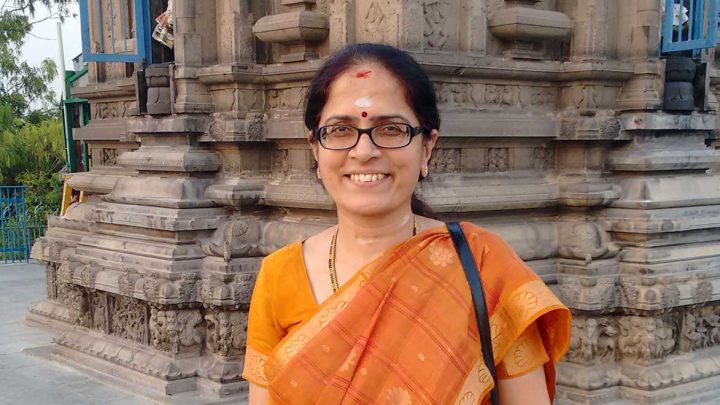
By Mahima Katal India on Monday appointed senior advocate Venkita Subramani Mohana as a judge of the Supreme Court, making her only the second woman lawyer in the country's history to be directly elevated to the apex court from the Bar.
Mohana's appointment marks a significant milestone for gender representation in India's higher judiciary, where women remain underrepresented despite gradual progress in recent years.
The direct elevation of advocates to the Supreme Court is relatively rare in India. Most Supreme Court judges are appointed after serving as judges in various High Courts across the country. Before Mohana, the only woman to be directly elevated from the Bar to the Supreme Court was Justice Indu Malhotra, who was appointed in 2018.
With Mohana's induction, the Supreme Court will have two serving women judges, alongside Justice B.V. Nagarathna. Justice Nagarathna is also set to create history by becoming India's first woman Chief Justice in 2027, albeit for a brief tenure.
Legal experts have described Mohana's appointment as an important step toward improving diversity and inclusivity within the judiciary. Her elevation is expected to strengthen representation at the highest level of India's justice system and may encourage greater participation of women in the legal profession.
The appointment comes amid ongoing discussions about the need for broader representation in judicial institutions, including greater inclusion of women and members of diverse social and professional backgrounds.
Mohana is a respected senior advocate with extensive experience before constitutional courts. Her elevation reflects the Supreme Court Collegium's recognition of distinguished legal practitioners outside the traditional judicial career path.
India's Supreme Court, established in 1950, is the country's highest judicial authority and plays a crucial role in interpreting the Constitution, protecting fundamental rights, and resolving disputes between states and the central government.
Mohana's appointment is being viewed as both a recognition of professional merit and a symbolic advancement for gender diversity within one of the world's largest judicial systems.