Kabal Suicide Bombing: Attack on Antimilitant Rally Exposes Pakistan's Swat Valley Crisis
The Kabal bombing struck the very rally where residents had gathered to demand protection from resurgent militancy, killing at least 14 people. The attack turns their call for security into evidence of how unmet it still is. New Delhi, Aug 3: A suicide bomber struck an antimilitant rally in Kabal, a town in Swat Valley, on Sunday, killing at least 14 people and wounding more than two dozen, in an attack that inverts the usual logic of militant violence in Pakistan's northwest, the target here...
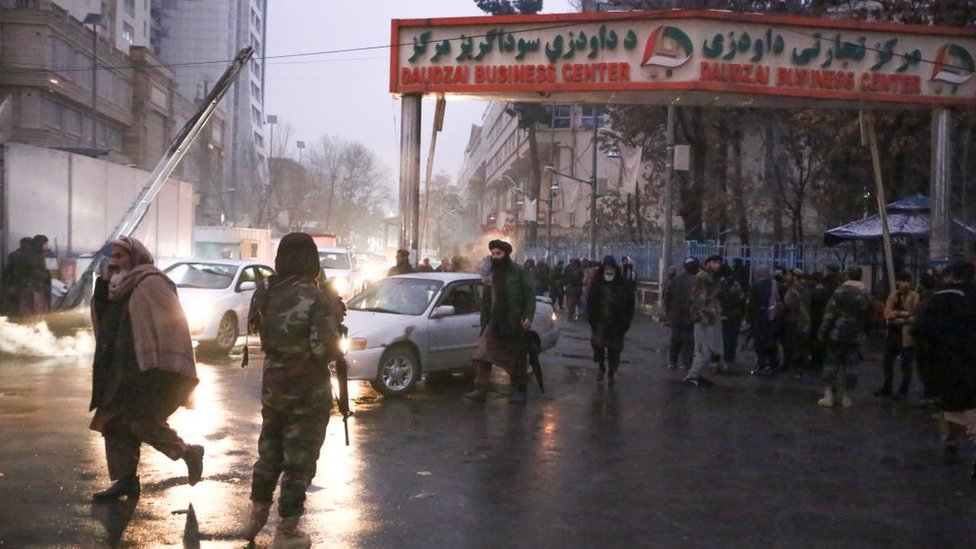
The Kabal bombing struck the very rally where residents had gathered to demand protection from resurgent militancy, killing at least 14 people. The attack turns their call for security into evidence of how unmet it still is.
New Delhi, Aug 3: A suicide bomber struck an antimilitant rally in Kabal, a town in Swat Valley, on Sunday, killing at least 14 people and wounding more than two dozen, in an attack that inverts the usual logic of militant violence in Pakistan's northwest, the target here was not the state's security apparatus but civilians who had gathered specifically to demand protection from it. District police chief Omar Khan said the rally drew demonstrators chanting antimilitant slogans, and that at least nine civilians and five officers were among the dead, a casualty split that underscores how thoroughly the attack blurred the line between the population the militants claim to threaten and the security forces meant to guard against them.
The location carries its own weight. Swat Valley was, for a period, under the direct control of militants who imposed a strict interpretation of Sharia before Pakistan's military dislodged them in a major 2007 operation that restored government administration. That history is precisely why Sunday's bombing lands as more than an isolated atrocity: residents had been staging repeated anti-Taliban rallies in recent months as militants resurfaced in the valley, and the attack on one such gathering reads as a direct response to a population that has, in effect, been asking its own government to finish a job it once appeared to have completed. Witnesses said speakers at the rally had accused authorities of failing to act decisively against militancy, a grievance the bombing did nothing to resolve and, if anything, gave fresh grounds for.
No group has claimed responsibility, but the pattern points toward the Pakistani Taliban, or Tehrik-e-Taliban Pakistan, a group allied with though formally separate from Afghanistan's ruling Taliban, many of whose leaders have operated from Afghan territory since 2021. That cross-border dimension is where the attack intersects with an ongoing diplomatic dispute rather than a purely domestic security failure: Pakistan's military has said Afghanistan-based militants carried out 28 suicide attacks inside the country since January, and has directly alleged that the TTP operates with the support of Afghanistan's Taliban government, an accusation Kabul continues to deny. The military's broader tally, more than 3,145 recorded terrorism incidents and 819 Pakistani deaths, including soldiers, police, and civilians, since the start of the year, frames Sunday's bombing not as an outlier but as one data point within a sustained and, by the government's own numbers, worsening campaign.
What the attack most clearly demonstrates is the limits of a security response measured in militant body counts. Pakistan's military spokesman cited 2,084 militants killed over the same period, a figure the state has repeatedly used to signal operational success. But an attack that specifically targets a rally organized around demands for state protection suggests that battlefield attrition has not translated into the one outcome civilians in Swat are actually asking for: the ability to publicly oppose militancy without becoming its next target. That gap between kill counts and civilian security is likely to remain the central, unresolved tension in how Islamabad's counterterrorism strategy is judged going forward, both domestically and in its continuing dispute with Kabul over responsibility for cross-border militant sanctuary.