Kerala White Paper Triggers Political Row, Flags Mounting Debt and PSU Losses
By Mahima Katal Kerala Chief Minister V.D. Satheesan on Thursday tabled a White Paper on the state's financial health in the Legislative Assembly, triggering a political confrontation between the ruling government and the opposition over both its findings and the process behind its preparation. The report, prepared by a three-member committee headed by former Cabinet Secretary K.M. Chandrasekhar, paints a challenging picture of Kerala's finances, citing large inherited liabilities, growing...
By Mahima Katal
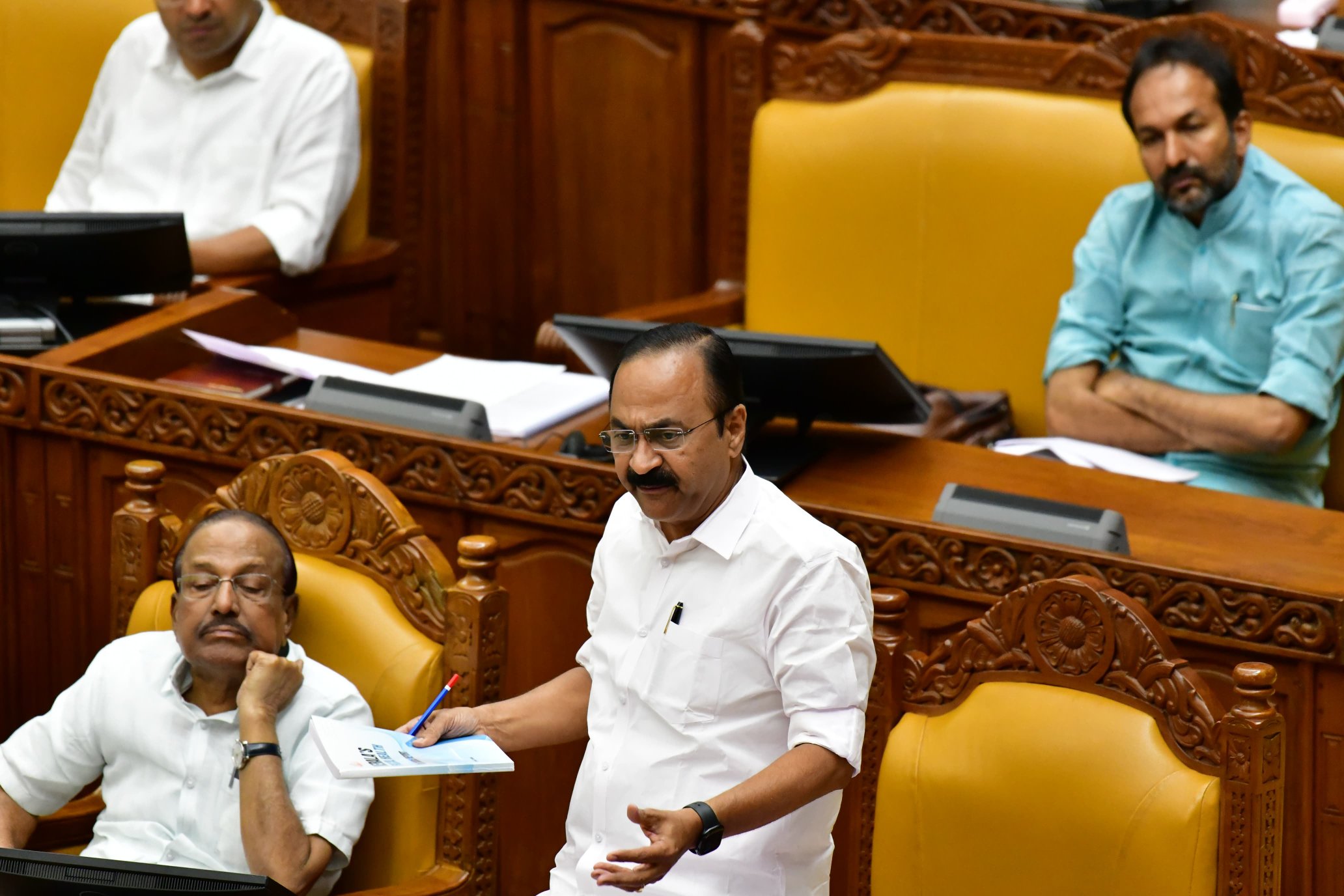
Kerala Chief Minister V.D. Satheesan on Thursday tabled a White Paper on the state's financial health in the Legislative Assembly, triggering a political confrontation between the ruling government and the opposition over both its findings and the process behind its preparation.
The report, prepared by a three-member committee headed by former Cabinet Secretary K.M. Chandrasekhar, paints a challenging picture of Kerala's finances, citing large inherited liabilities, growing debt obligations linked to infrastructure financing and mounting losses among state-owned enterprises.
According to the White Paper, the new government inherited unpaid liabilities of ₹48,733 crore (about $5.7 billion), including arrears related to Dearness Allowance (DA) and Dearness Relief (DR).
The report also calls for a major restructuring of the Kerala Infrastructure Investment Fund Board (KIIFB), arguing that the agency has outlived its original purpose and evolved into a parallel fiscal authority. KIIFB currently carries loan liabilities of around ₹21,000 crore ($2.5 billion), while infrastructure projects worth another ₹35,000 crore remain unfunded, creating a combined financial exposure of approximately ₹56,000 crore ($6.6 billion).
The White Paper states that KIIFB's debt obligations now effectively fall on the state government and recommends a comprehensive review of its role in Kerala's public finance framework.
Another major concern highlighted in the report is the deteriorating financial condition of Kerala's public sector undertakings (PSUs). Accumulated losses of state-owned enterprises rose to ₹78,851 crore in 2024-25 from ₹31,571 crore in 2021-22, according to the document.
The tabling of the report sparked immediate protests from the opposition Left Democratic Front (LDF), which alleged that the document had been prepared in violation of the Constitution, existing laws and Assembly rules.
Former Finance Minister K.N. Balagopal also objected to the report, arguing that it had been prepared by private individuals and questioning whether confidential government financial records should have been shared with non-government persons.
The state government defended the exercise, saying the White Paper was intended to provide a comprehensive assessment of Kerala's fiscal position and identify structural challenges affecting the state's finances.
The findings are expected to intensify debate over Kerala's debt management, infrastructure financing model and the long-term sustainability of its public sector enterprises.