Missing Epstein Records Put DOJ Under Pressure From US Judge
A US judge has warned DOJ lawyers of contempt and career consequences over missing, redacted and unreleased Jeffrey Epstein records.
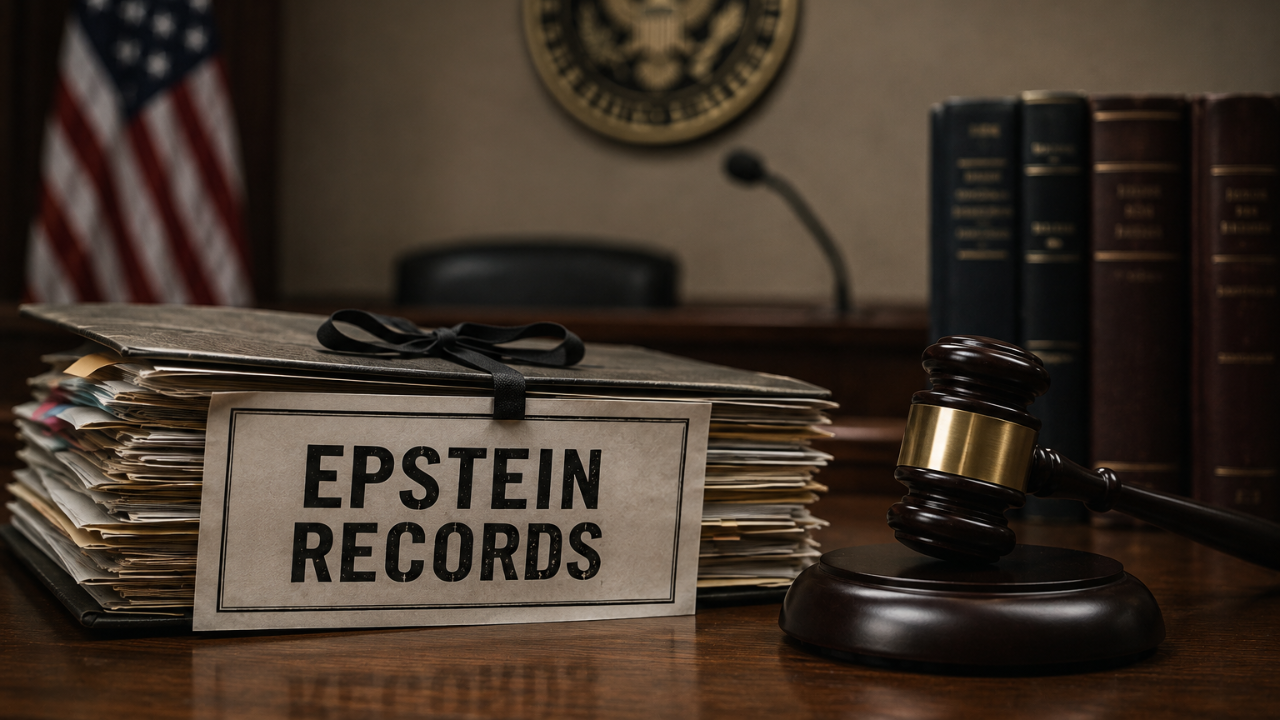
A US judge has warned DOJ lawyers of contempt and career consequences over missing, redacted and unreleased Jeffrey Epstein records.
By Hitanshi Kothari
New Delhi, August 14: A federal judge in Washington, DC, has warned Justice Department lawyers that failure to comply with court orders in a case involving the release of Jeffrey Epstein-related records could lead to contempt proceedings and potentially have lasting consequences for their legal careers.
Judge Emmet Sullivan of the US District Court for the District of Columbia pressed the Justice Department on Thursday over its failure to release some records connected to investigations into the late convicted sex offender. Sullivan said the explanations provided by the department so far, including during Thursday's hearing, were not sufficient, reported the CNN.
"The public has a right to know what the hell is going on in this case. The victims have a right to know. The court has a right to know," Sullivan said during the hearing while questioning a Justice Department lawyer about whether he could provide further answers.
The judge added that the law remained in effect and said the court's role was to ensure that the department complied with its requirements.
A US judge warns Justice Department lawyers of contempt and career consequences over missing, redacted and unreleased Jeffrey Epstein records. (AI-Generated Image)
What is the case about?
The case was filed by journalist Katie Phang and seeks the release of FBI records related to Epstein, as well as the removal of some redactions covering the names of people who exchanged emails with him.
Sullivan has raised questions about why certain records appear to be missing from the millions of pages of Epstein-related documents that the Justice Department has already released.
Among the records in question are handwritten notes taken by FBI agents during witness interviews. The judge also questioned why documents written in foreign languages had not been released and why the Justice Department had not provided a timeline for publishing explanations for redactions in the Federal Register.
That publication is required under legislation passed by Congress.
Sullivan had previously ordered the Justice Department to explain why some Epstein records had not been released and to provide details about why it could not disclose more information.
During Thursday's hearing, DOJ lawyer Andrew Block offered little further explanation.
"I have nothing else to say," Block told the judge.
Judge brings up a case from the Justice Department's past
The hearing then took an unusual turn as Sullivan began discussing one of the most serious episodes involving Justice Department prosecutors during his time on the bench.
For nearly half an hour, the judge described his experience overseeing the criminal case against former US Senator Ted Stevens, an Alaska Republican, nearly two decades ago.
Sullivan said the case had influenced how he approaches government lawyers and compliance with court orders.
Stevens was convicted of corruption in 2008 and subsequently lost his re-election bid. However, the conviction was later thrown out after Sullivan discovered that prosecutors had failed to provide the defence with documents that should have been disclosed before the trial. Stevens died in a plane crash in 2010.
The judge said the misconduct was uncovered after a whistleblower brought the issue to his attention.
Sullivan ultimately held the Justice Department prosecutors involved in the case in civil contempt.
"I told the attorneys I had no choice. I was holding each one of them in contempt," Sullivan recalled during Thursday's hearing. "I had no choice. How else was I going to ensure that justice was administered?"
Why did Sullivan bring up the Stevens case?
Sullivan's reference to the Stevens case appeared to serve as a warning about what could happen if Justice Department lawyers fail to comply with his orders in the current Epstein records case.
The judge said that, in the past, he had been willing to sanction Justice Department lawyers and refer them for possible bar discipline when he believed they had failed to follow court orders.
He also warned that a contempt proceeding could leave a lasting mark on a lawyer's career.
"That's not a threat. It's a promise," Sullivan said, while stressing that the lawyers currently appearing before him were not themselves in trouble.
He repeated that point several times, saying he was only making sure that everyone understood the seriousness of the situation.
What happens next?
The Justice Department is now facing continued scrutiny over the records it has released and the documents that remain undisclosed or redacted.
Sullivan has made clear that he expects the department to provide fuller explanations about the missing records, the foreign-language documents and the redactions. The judge's comments also signal that failure to adequately respond to the court could lead to more serious action.
At Thursday's hearing, Sullivan opened the floor to the Justice Department lawyers and invited them to respond to his concerns. None of the lawyers stood to address the court.
For now, the judge has not held the lawyers in contempt in this case. However, by invoking his handling of the Ted Stevens prosecution and explaining the potential consequences of failing to comply with court orders, Sullivan made clear that he is prepared to take action if he believes the Justice Department is not meeting its obligations.