SCO 2027: Will PM Modi Cross Into Islamabad This Time?
Pakistan has confirmed Modi will be invited to SCO 2027 in Islamabad, calling it a procedural obligation, not a political gesture. But Jaishankar's absence from any sidelines meeting in Manila, and an unchanged Indus Waters Treaty suspension, suggest the freeze runs deeper than any summit invite. By Mahima Katal New Delhi, July 31: Pakistan's Foreign Office has confirmed that Prime Minister Narendra Modi will be sent an invitation for the 2027 Shanghai Cooperation Organisation Summit in...
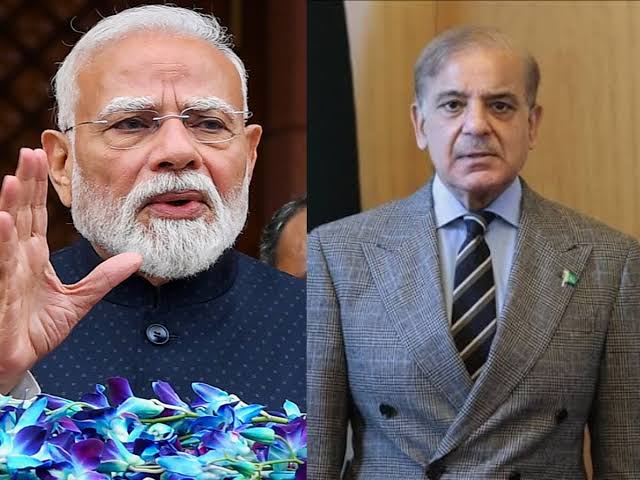
Pakistan has confirmed Modi will be invited to SCO 2027 in Islamabad, calling it a procedural obligation, not a political gesture. But Jaishankar's absence from any sidelines meeting in Manila, and an unchanged Indus Waters Treaty suspension, suggest the freeze runs deeper than any summit invite.
By Mahima Katal
New Delhi, July 31: Pakistan's Foreign Office has confirmed that Prime Minister Narendra Modi will be sent an invitation for the 2027 Shanghai Cooperation Organisation Summit in Islamabad, framing the gesture as a procedural obligation rather than a political overture. The spokesperson told reporters that invitations would go out to every head of state and government across the bloc's ten members, leaving India's inclusion a matter of protocol rather than choice. That framing is accurate as far as SCO convention goes, the host country is bound to invite all member states regardless of bilateral temperature, but it also does useful work for Islamabad, allowing it to extend the gesture without appearing to seek anything in return.
The more instructive data point sits beside the headline invitation. Asked whether External Affairs Minister S Jaishankar might meet his Pakistani counterpart on the sidelines of the ASEAN talks in Manila, the spokesperson said Islamabad had received no such request from New Delhi. That non-event matters more than the SCO invitation itself, because it indicates the freeze extends beyond summit-level symbolism into the lower-stakes, lower-visibility contact that usually precedes any thaw. States that intend to re-engage typically test the waters through exactly this kind of sidelines meeting before committing to anything with the weight of a head-of-government visit. Its absence here is a data point in itself.
The backdrop against which this invitation lands is worth stating plainly rather than gesturing at "tensions." Relations between the two countries collapsed after the April 2025 Pahalgam attack, which killed 26 people. India responded by suspending the Indus Waters Treaty and expelling Pakistani officials, then launched Operation Sindoor on May 7, striking terror camps across Punjab province and Pakistan-occupied Kashmir. Cross-border shelling followed, with casualties on both sides. None of the instruments India deployed in that response — the treaty suspension foremost among them, have been reversed or publicly revisited since. A summit invitation, however procedurally correct, does not by itself alter that architecture.
There is also a precedent to weigh against the current moment. India has not treated SCO attendance as automatic even before Pahalgam: Modi skipped the 2024 heads-of-state summit in Kazakhstan, sending Jaishankar in his place, and Pakistan's own 2024 invitation for the Council of Heads of Government meeting in Islamabad produced the same outcome — ministerial representation, not the Prime Minister. Where Modi has shown up is Tianjin in 2025, alongside Xi Jinping, Vladimir Putin and other regional heads, which suggests his calculus is not anti-SCO as a platform but specifically cautious about Pakistan as a venue. That distinction should shape how this story is read going forward: the open question is not India's relationship with the SCO, but whether Islamabad specifically clears a bar Beijing and Kazakhstan a did.
Three years is an unusually long runway for a diplomatic signal, and that itself deserves scrutiny rather than acceptance at face value. Pakistan gains from planting the invitation early, it can be cited repeatedly as evidence of outreach regardless of whether New Delhi responds, and any eventual Indian decline can be framed as India's rejection of an olive branch rather than Pakistan's failure to earn one. Coverage of this story over the next three years should track two things closely: whether the treaty suspension and other post-Sindoor measures see any calibrated movement, and whether lower-level contact, trade channels, foreign-secretary talks, sidelines meetings of the kind just declined by omission in Manila, resumes before any summit-level question is even live.
Absent movement on those fronts, the SCO invitation remains what Islamabad has already characterised it as: an obligation, not an opening.