The BCI-NALSAR Row Isn't About One Order. It's About Three Provisions Nobody's Reading Right
The NALSAR order came from one functionary, not the Council. Mishra issued a national enrolment freeze alone, with no visible deliberation, after students questioned inviting CJI Surya Kant to their convocation. He reversed it alone too, under pressure. BCI's structure permits any Chairman to do this unchecked, that's the real story. New Delhi, Aug 14: The Bar Council of India's NALSAR order lasted barely a day, but the confusion over what law it was actually applying has outlasted the order...
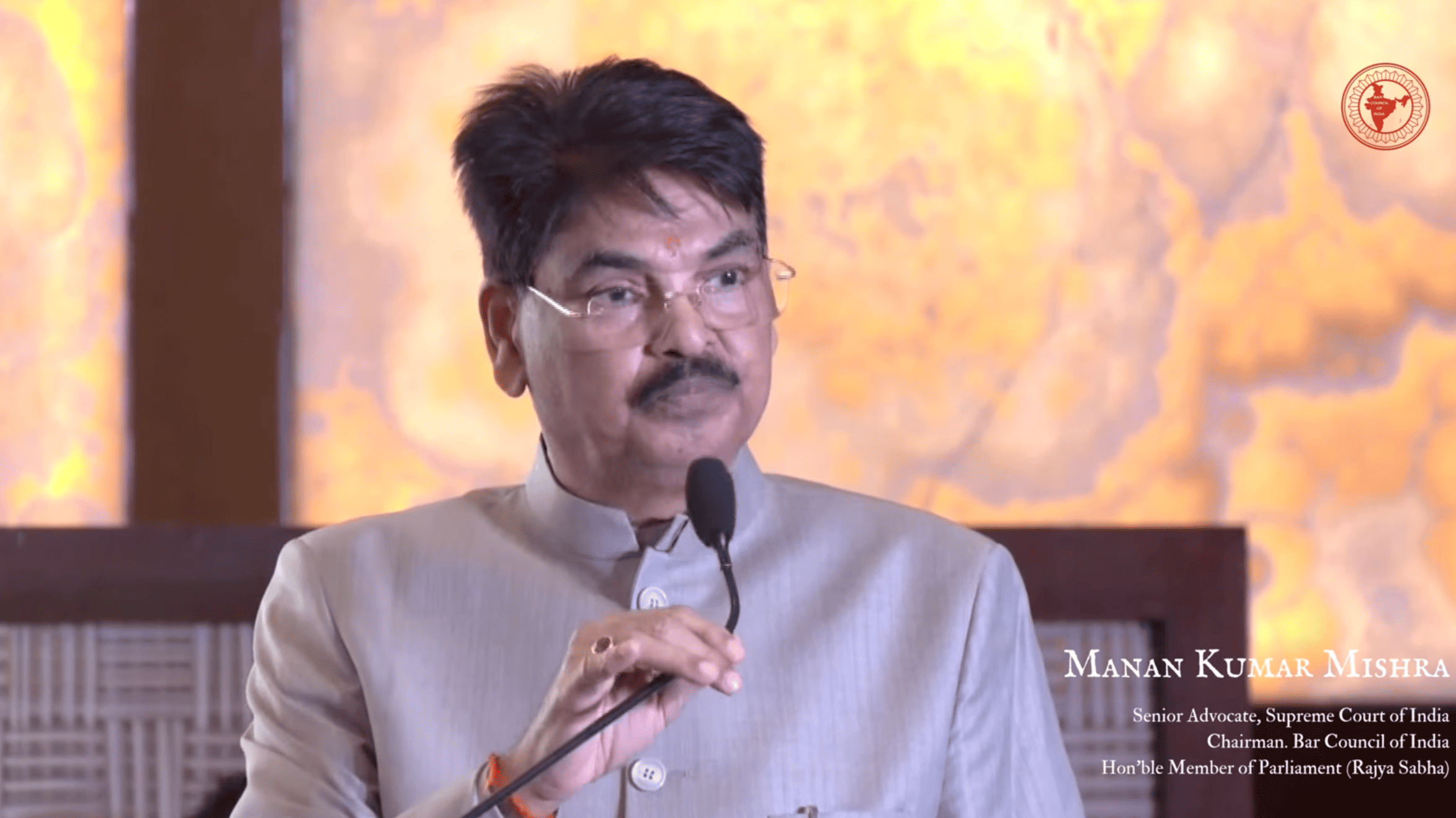
The NALSAR order came from one functionary, not the Council. Mishra issued a national enrolment freeze alone, with no visible deliberation, after students questioned inviting CJI Surya Kant to their convocation. He reversed it alone too, under pressure. BCI's structure permits any Chairman to do this unchecked, that's the real story.
New Delhi, Aug 14: The Bar Council of India's NALSAR order lasted barely a day, but the confusion over what law it was actually applying has outlasted the order itself. Between the original circular freezing enrolment for the university's entire 2026 batch, its reversal within hours, and the resignation demands against Chairman Manan Kumar Mishra that followed, at least three distinct statutory questions have been getting collapsed into one general sense that "BCI overstepped." They are not the same question, and the Advocates Act does not treat them the same way.
The first is enrolment, governed by Sections 24 and 24A. Section 24 lays out who is eligible to be admitted as an advocate, an Indian citizen, holding a recognised law degree, meeting the prescribed conditions. Section 24A is the disqualification clause, and it is narrow by design: a person cannot be enrolled if convicted of an offence involving moral turpitude, convicted under the Untouchability (Offences) Act, or dismissed from state employment on a moral-turpitude charge, with the disqualification lapsing two years after release or dismissal.
Nothing in 24A contemplates disqualifying a class of applicants collectively, and nothing in it covers participation in a protest, petition, or campaign directed at a convocation invitation. The original BCI circular did not formally invoke 24A, but the reasoning attributed to it, that disrespect toward the judiciary could indicate unsuitability for the profession, imported a standard the provision does not contain. Enrolment eligibility in the Act is conviction-based and individual. It is not character-tested by ideological conformity, and it is not designed to be applied to a batch rather than a person.
The second is discipline of an already-enrolled advocate, governed by Sections 35 and 36, which vest disciplinary jurisdiction in State Bar Councils in the first instance and BCI on appeal, triggered by a specific complaint against a specific advocate for professional or other misconduct. This machinery did not come into play in the NALSAR matter at all, because the affected students were not yet enrolled advocates, they were prospective ones, which is precisely why the Council reached for enrolment-stage leverage instead of the disciplinary track that would have applied to a sitting member.
The third, and the one least discussed publicly, is removal or control over BCI's own office-bearers, addressed under Section 8 read with the Bar Council of India Rules governing the Chairman and Vice-Chairman's election. The Act sets their term at two years, elected by the Council from among its own members, with no statutory cap on the number of consecutive terms an individual may serve.
This is worth sitting with on its own terms: the absence of a term limit is not a drafting oversight commentators are free to treat as self-evidently outrageous, but neither is it a neutral design choice immune from scrutiny, most professional regulators of comparable statutory weight, including several State Bar Councils' own office-bearer conventions, build in some form of rotation. BCI's Rules do not, and the seven consecutive terms served by the current Chairman are a direct, lawful product of that gap rather than any procedural irregularity.
What ties these three provisions together in this controversy is a single pattern: an order was issued that borrowed the language of unsuitability from one part of the Act (enrolment eligibility), applied it collectively in a way the provision does not contemplate, to a class the disciplinary provisions don't yet reach, by an office-holder whose own tenure exists because the removal and term-limit provisions are largely silent. None of these are exotic legal points. They are the first-year reading of the Advocates Act that any enrolled advocate is expected to know cold, which is what makes an order issued by the Act's own apex regulator, running against its plain text, the more striking failure.