The Fine Print Nobody's Reading: What the New MSME Bill Actually Fixes
Beyond digitisation, the MSME Bill fixes real enforcement gaps, locking buyer appeals to the supplier's home court and giving unpaid awards a foothold in insolvency law. New Delhi, Aug 4: Every few years, Parliament passes a bill that gets covered as a "reform" and then completely misunderstood. This week's Micro, Small and Medium Enterprises Amendment Bill is a textbook case. The headlines are about digital registration and "ease of doing business." Fine, sure. But if you actually sit with...
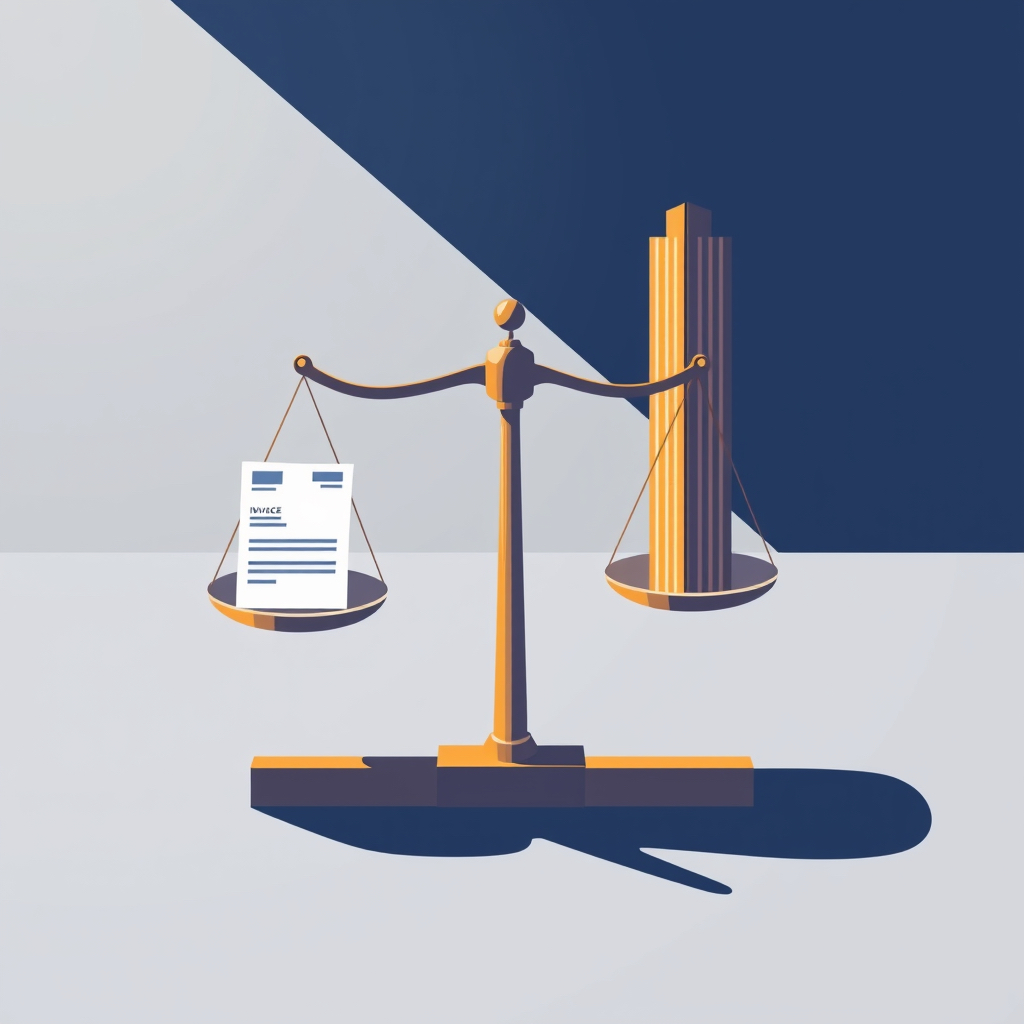
Beyond digitisation, the MSME Bill fixes real enforcement gaps, locking buyer appeals to the supplier's home court and giving unpaid awards a foothold in insolvency law.
New Delhi, Aug 4: Every few years, Parliament passes a bill that gets covered as a "reform" and then completely misunderstood. This week's Micro, Small and Medium Enterprises Amendment Bill is a textbook case. The headlines are about digital registration and "ease of doing business." Fine, sure. But if you actually sit with the text, which I did, so you don't have to — the real story is much narrower and much more interesting: Parliament just made it harder for big buyers to stiff small suppliers.
Here's the backstory in one paragraph, because you need it to care about the rest. If you're a small business and a bigger company owes you money and won't pay, the law lets you take them to a Facilitation Council near you, not near them. Good in theory. The problem has always been what happens next, because if the buyer loses, they can challenge the ruling in court, and courts have consistently said they first have to deposit 75% of what they owe before that challenge is even heard. Also good in theory. Except that money then just... sits there. For years, sometimes, while the appeal crawls along. The small business "won," on paper, and still has no cash.
That's the specific pain point this Bill goes after, and it does it in a way that's honestly kind of clever once you see it.
First fix: where you fight. Right now, even though the original dispute happens near the supplier, nothing stops the buyer's big appeal from landing in a court that's convenient for the buyer, near their office, near their lawyers, far from the small business that has to keep showing up. The new Bill kills that. The challenge now has to be filed in the same jurisdiction as the supplier. Full stop. If you're a small manufacturer in Coimbatore and a big Delhi company owes you money, they don't get to drag the fight to a Delhi courtroom anymore. That's a genuinely big deal for anyone who's ever had to hire out-of-town lawyers just to defend a win they already had.
Second fix: the money that's just sitting there. The 75% deposit rule itself isn't changing, the Supreme Court has said repeatedly it's mandatory, and this Bill doesn't touch that. What it does instead is fix what happens to that deposited money while the appeal is pending. Right now the law is vague, courts can release "such percentage as they consider reasonable," which in practice means judges have wide discretion and suppliers often see very little until the whole thing wraps up. The new rule sets a floor: if the appeal has been sitting for more than six months, the court has to release at least half the deposit to the supplier. Not "may." Has to. That's the difference between a business surviving a two-year appeal process and one that doesn't.
Third fix, and this is the one with real teeth: unpaid awards can now feed into insolvency proceedings. If a company loses a payment dispute and still doesn't pay, the small business can now treat that unpaid award as a legally enforceable debt under India's insolvency law, the same framework used to push companies into bankruptcy proceedings. That's a much scarier threat to a large company than a small business chasing them through civil court for years. Nobody wants an insolvency filing on their record over what might be, to them, a relatively small invoice. This changes the math on whether it's actually worth it for a big buyer to just... not pay and hope the small business gives up.
There's a smaller, quieter change too: MSME registration, which used to be semi-compulsory for some categories of business, is now fully voluntary and entirely digital. You register because it gets you benefits, not because the law makes you. Whether that's good policy or just removes a stick nobody was really using anyway is a fair debate, but it's a real shift in how the law treats formal registration.
One loose thread worth watching: the Bill talks a big game about "decriminalising" penalties, replacing court-imposed fines with a simpler warning-then-penalty system. Mostly it delivers on that. But buried in the fine print, a third-time offender under one specific section is still liable to a fine that reads exactly like the old, tougher language the Bill claims to be moving away from. Small thing. Worth flagging, because it suggests the drafting didn't get the same care the enforcement provisions did.