Trial begins over whether Meta knowingly made Instagram and Facebook addictive for kids
A federal trial began in Oakland this week over whether Meta deliberately engineered Instagram and Facebook to be addictive to children. Four states, representing a 29-state coalition, allege Meta exploited kids' psychology while hiding known harms, seeking $200 billion in damages. Meta denies intent, calling its safety efforts genuine. New Delhi, Aug 19: A federal jury in Oakland, California, began hearing opening arguments Tuesday in a landmark case that could determine whether Meta...
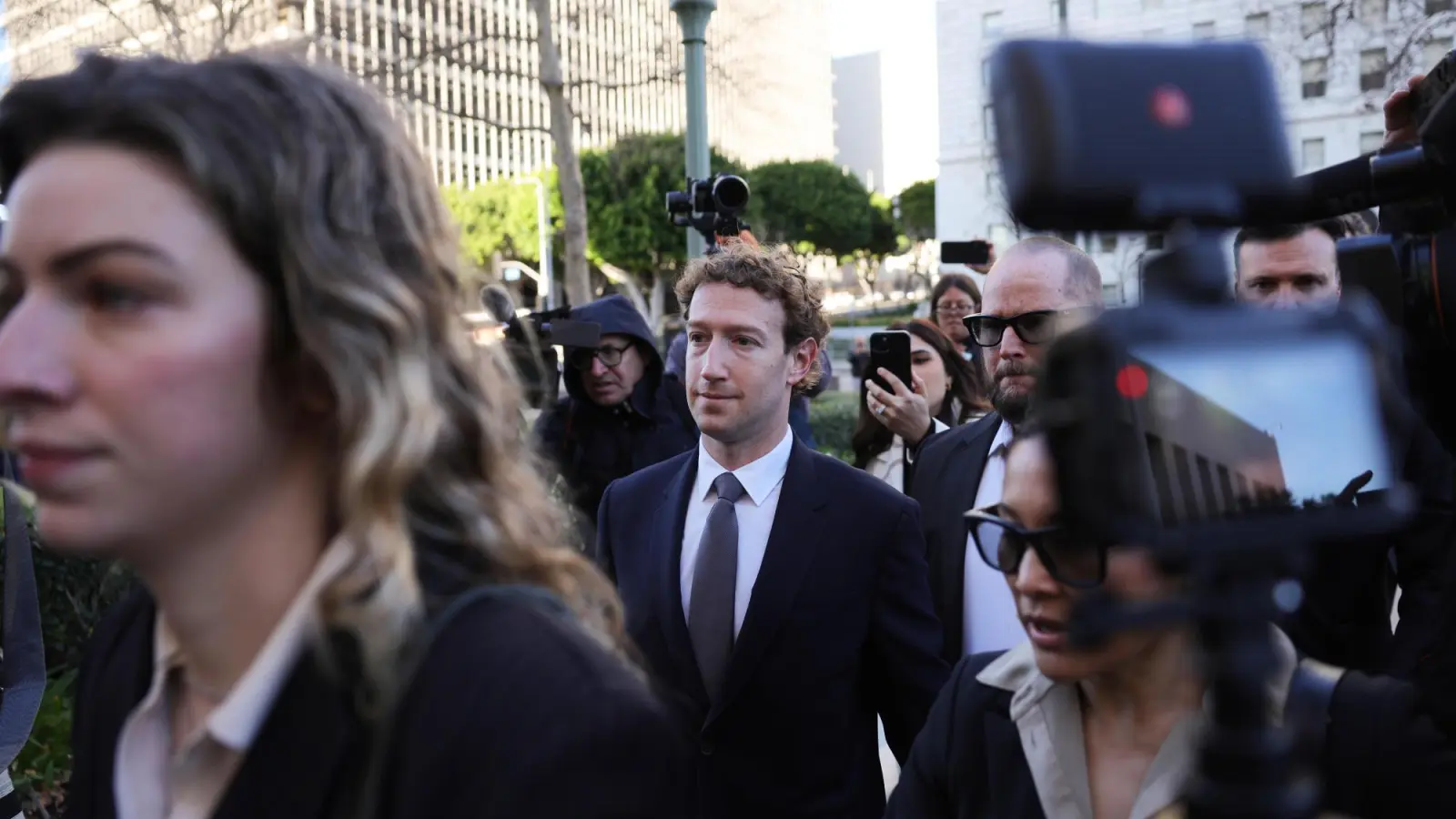
A federal trial began in Oakland this week over whether Meta deliberately engineered Instagram and Facebook to be addictive to children. Four states, representing a 29-state coalition, allege Meta exploited kids' psychology while hiding known harms, seeking $200 billion in damages. Meta denies intent, calling its safety efforts genuine.
New Delhi, Aug 19: A federal jury in Oakland, California, began hearing opening arguments Tuesday in a landmark case that could determine whether Meta deliberately engineered Instagram and Facebook to be addictive to children while concealing what it knew about the harm.
The trial, before Judge Yvonne Gonzalez Rogers at the federal courthouse in Oakland, is being brought by four states, California, Colorado, Kentucky and New Jersey, acting on behalf of a broader coalition of 29 states that sued Meta in 2023. The states allege the company built features into its platforms specifically designed to exploit the psychological vulnerabilities of young users, misled the public about the safety of its apps, and unlawfully collected data on children under 13 without parental consent. They are seeking roughly $200 billion in damages, along with structural changes to how Meta's platforms operate.
Deputy California Attorney General Megan O'Neill told the eight-person jury that Meta had studied how children's brains respond to reward and social feedback, and understood that young users were still developing the impulse control that adults rely on to self-regulate. She pointed to an internal Meta study titled "The young ones are the best ones" as evidence, she argued, that the company viewed children less as users to protect than as a product to capture.
Meta's attorney, Paul Schmidt, did not dispute that some users struggle with their platforms, but argued the broader research does not establish a clear link between adolescent social media use and wellbeing. He told the jury that the case largely amounts to government witnesses arguing Meta could have done things differently, not that it acted with intent to harm. He described the company's safety tools as a genuine, meaningful effort at improvement rather than a facade.
The first witness, former Meta engineering director Arturo Bejar, testified despite the company's attempts to keep him off the stand. Bejar said that in Facebook's early years, the priority was shipping products to users as quickly as possible, and that safety was often an afterthought as a result.
The case is one of several bellwether trials moving through the multidistrict litigation over social media and youth mental health, following earlier proceedings in Los Angeles and New Mexico. Legal observers have described it as social media's "Big Tobacco moment," drawing a comparison to the 1990s litigation that forced cigarette manufacturers to answer for products they knew were harmful.
The jury's verdict will be advisory; the final ruling rests with Judge Gonzalez Rogers. The trial is expected to run six to eight weeks, with a decision anticipated by October. Meta CEO Mark Zuckerberg is among the witnesses expected to testify.