US Indictment Against Lawrence Bishnoi Marks Shift From Diplomatic Allegations to Criminal Prosecution
By Mahima Katal New Delhi, July 8: The United States' decision to indict jailed gangster Lawrence Bishnoi and his alleged associate Goldy Brar for the killing of Khalistani extremist Hardeep Singh Nijjar is more than another organised crime case. It represents a significant legal and geopolitical development that reframes one of the most contentious diplomatic disputes involving India, Canada and now the United States. United States Attorney Bill Essayli. For nearly three years, the Nijjar...
By Mahima Katal New Delhi, July 8: The United States' decision to indict jailed gangster Lawrence Bishnoi and his alleged associate Goldy Brar for the killing of Khalistani extremist Hardeep Singh Nijjar is more than another organised crime case. It represents a significant legal and geopolitical development that reframes one of the most contentious diplomatic disputes involving India, Canada and now the United States.
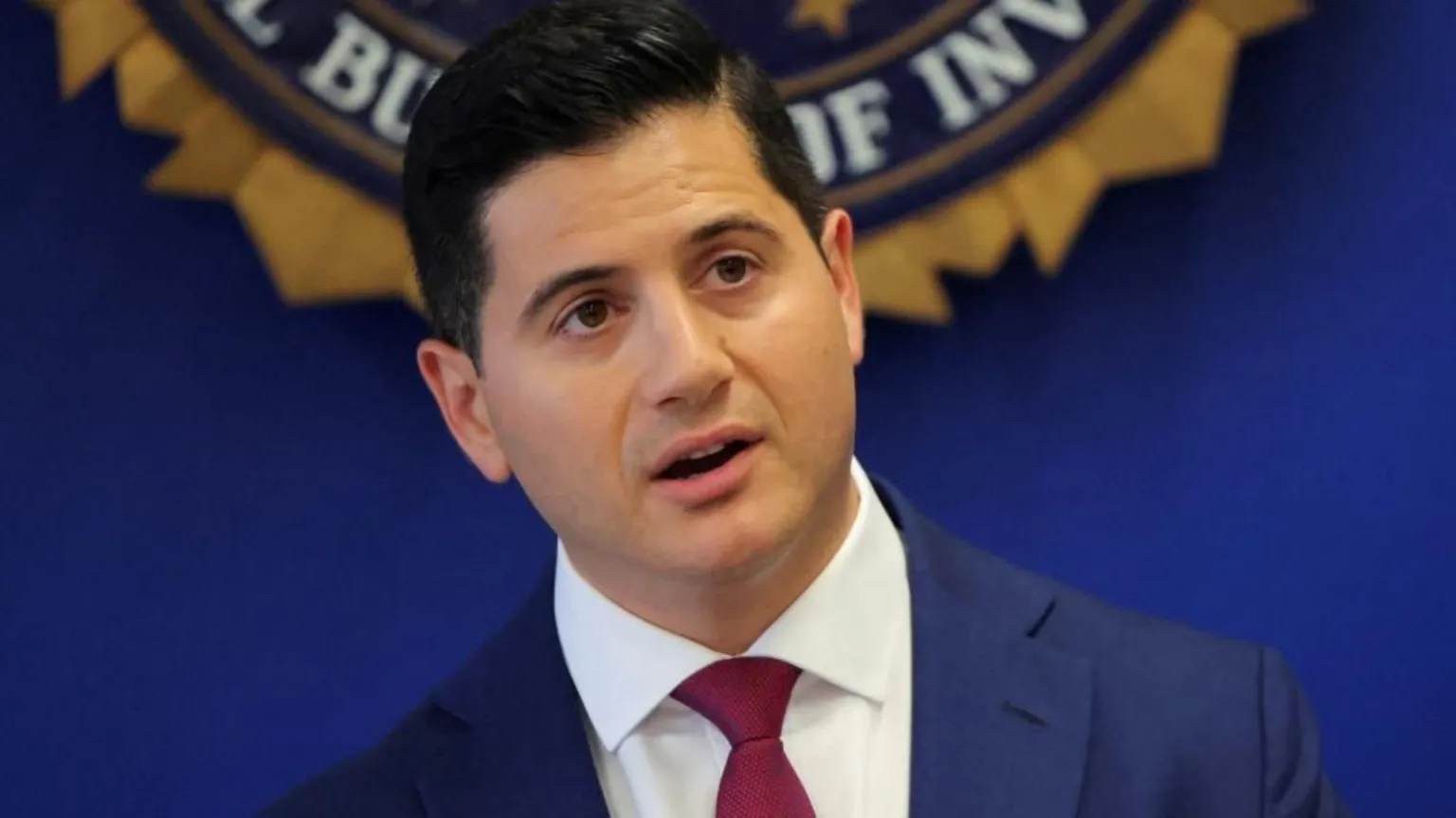
United States Attorney Bill Essayli.
For nearly three years, the Nijjar killing has largely been discussed through the prism of diplomatic accusations. Canada's allegation that "agents of the Government of India" were involved triggered one of the worst crises in India-Canada relations. The latest US indictment, however, shifts the focus to a criminal prosecution based on alleged evidence gathered by investigators rather than political statements.
A Criminal Case, Not a State Responsibility Case
One of the most striking aspects of the indictment is what it does not say.
Unlike the political narrative that dominated after Canadian Prime Minister Justin Trudeau's statement in 2023, the US indictment does not accuse the Indian government or Indian state officials of directing Nijjar's murder. Instead, prosecutors allege that Lawrence Bishnoi and Goldy Brar orchestrated the assassination as part of a transnational organised crime enterprise.
Legally, this distinction is crucial.
An indictment is a criminal charging document that reflects the prosecution's evidence against named individuals. It is not a finding of guilt, nor does it establish state responsibility under international law.
Transnational Organised Crime Takes Centre Stage
The indictment was announced alongside coordinated enforcement actions involving authorities from the United States, Canada, Spain and other jurisdictions.
Rather than presenting the Nijjar case in isolation, investigators have linked it to a broader network allegedly involved in:
contract killings,
extortion,
narcotics trafficking,
racketeering, and
violent crimes across multiple countries.
This suggests that Western law enforcement agencies increasingly view Indian organised crime networks through the framework of transnational organised crime, similar to how they pursue Italian mafia groups, Mexican cartels or East European criminal syndicates.
Why the FBI Reward Matters
The FBI's announcement of a USD 50,000 reward for information leading to Goldy Brar's arrest signals that US authorities consider him a high-priority international fugitive.
Rewards of this nature are generally reserved for suspects whose arrest requires international cooperation and whose alleged activities extend beyond ordinary criminal investigations.
It also demonstrates that US agencies are willing to devote significant investigative resources to dismantling organised crime networks operating across North America.
Implications for India
The indictment places India in a diplomatically delicate position.
Lawrence Bishnoi is already incarcerated in India. If US prosecutors seek cooperation for evidence, witness testimony or future extradition-related proceedings involving co-accused, legal assistance mechanisms between the two countries could come into focus.
At the same time, because the indictment names individuals rather than the Indian state, New Delhi may argue that the allegations concern criminal actors rather than government policy.
Canada's Narrative Faces a New Legal Test
Canada was the first country to publicly allege Indian involvement in Nijjar's killing.
The US prosecution does not necessarily contradict Canada's investigation, but it adopts a noticeably narrower legal approach by charging specific individuals instead of making broader assertions about state responsibility.
Whether future court proceedings introduce evidence concerning any state actors remains to be seen. For now, the public indictment is centred on organised crime.
The Road Ahead
An indictment is only the beginning of the criminal justice process. Prosecutors will ultimately have to prove their allegations beyond a reasonable doubt. Defence lawyers will have the opportunity to challenge the evidence, and the accused remain presumed innocent unless convicted by a competent court.
Nevertheless, the case is likely to shape future cooperation between the United States, Canada and India on organised crime, cross-border criminal investigations and extradition.
The significance of the US indictment lies not merely in who has been charged, but in how the case has been framed. By treating the Nijjar killing as part of an alleged transnational organised crime enterprise, US prosecutors have moved the conversation from diplomatic accusation to criminal accountability. Whether the evidence ultimately supports the allegations will now be tested in court, where legal standards, not political narratives, will determine the outcome.