Visa Pause or Policy Shift? What Trump’s Latest Immigration Move Signals
Trump administration pauses US immigrant visa processing worldwide as consular officers receive new training amid tighter immigration scrutiny and public-charge concerns. By Pranjal Gupta New Delhi, August 26: The Trump administration has paused the processing of US immigrant visa applications worldwide while American consular officers undergo additional training on how to assess applicants. The US State Department says the training will help officers examine each applicant more closely and...
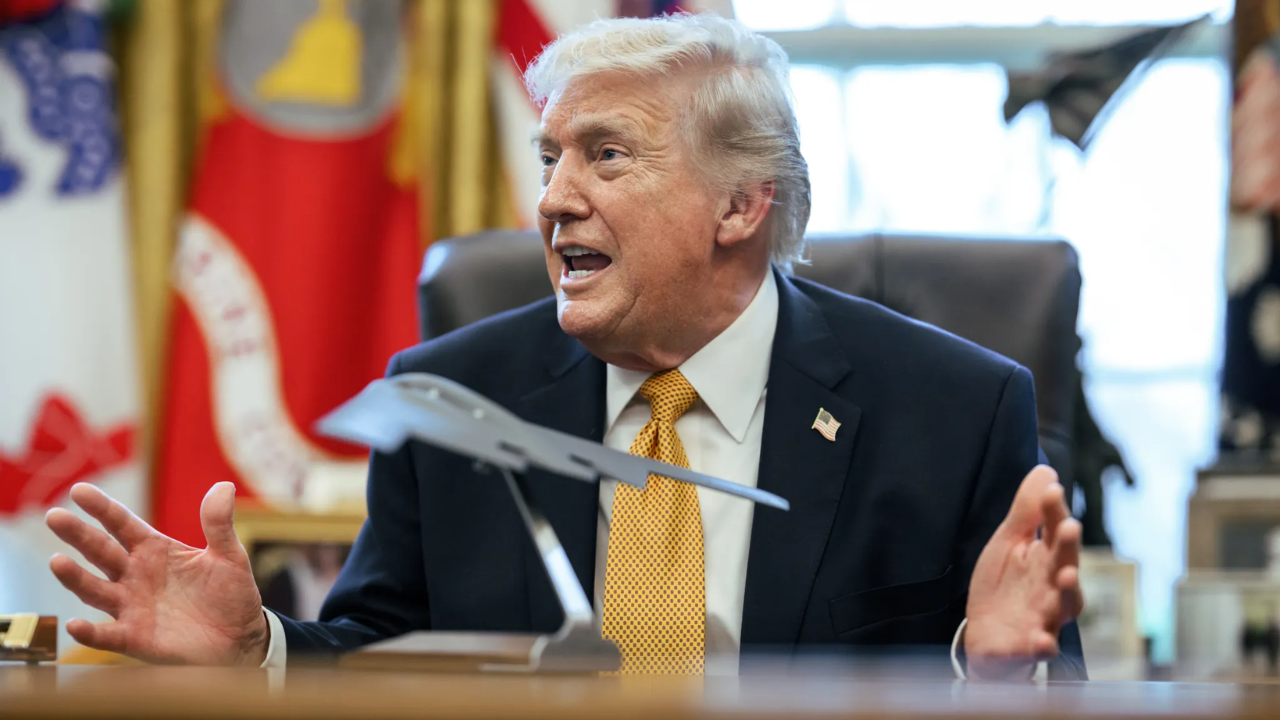
Trump administration pauses US immigrant visa processing worldwide as consular officers receive new training amid tighter immigration scrutiny and public-charge concerns.
By Pranjal Gupta
New Delhi, August 26: The Trump administration has paused the processing of US immigrant visa applications worldwide while American consular officers undergo additional training on how to assess applicants.
The US State Department says the training will help officers examine each applicant more closely and consistently. However, the move comes as the administration continues to tighten immigration rules and make it harder for people to enter the US, reported The Guardian.
The pause reportedly began in early August at US embassies and consulates. Applicants who already had interviews scheduled have also been affected. According to the Financial Times, some applicants received emails cancelling their appointments and were told they would receive new dates later.
The State Department has not given a clear timeline for when normal processing will resume.
Why is the US doing this?
The administration says it wants to prevent immigrants from becoming dependent on US public benefits.
This relates to the long-standing US immigration concept known as the “public charge” rule. Under this approach, immigration officials can consider whether an applicant is likely to become primarily dependent on government assistance.
US immigrant visa processing faces a pause as the Trump administration tightens screening and trains consular officers. (Representative Image)
The Trump administration is now seeking to apply this principle more strictly. The new training is intended to help consular officers assess applicants' financial circumstances and other factors before granting visas.
But immigration advocates argue that the policy could create unnecessary barriers for people who have already spent significant amounts of money and time completing the legal immigration process.
The timing is important
The visa pause is not an isolated immigration measure.
It comes as the Trump administration has introduced several policies aimed at reducing both legal and irregular immigration.
The administration has also:
increased scrutiny of visa applicants' social media activity;
introduced additional visa-related costs;
sought to revoke visas held by some asylum seekers who originally entered the US on tourist or business visas;
attempted to restrict immigration from a group of countries on public-charge grounds.
The administration's broader approach is therefore to make the immigration system more selective and more heavily scrutinised, rather than simply focusing on people who enter the country illegally.
Who could be affected?
The immediate impact is on people applying for US immigrant visas, including those seeking to move permanently to the country through family- or employment-based immigration routes.
Some applicants have already completed much of the process. They may have:
submitted extensive paperwork;
paid application and medical examination fees;
travelled to another city or country for an interview;
made plans to move to the US;
resigned from jobs or made other major life arrangements.
If their interview is cancelled, they may have to wait indefinitely for another appointment.
Immigration lawyer Brian Simmons told the Financial Times that some applicants could have spent thousands of dollars and disrupted their lives, only to have their interviews cancelled at short notice.
What does “paused” actually mean?
It is important not to confuse the development with a complete ban on immigration.
The information indicates that the State Department has paused or disrupted immigrant visa processing while new training and guidance are introduced. It does not necessarily mean that every immigrant visa application has been permanently rejected.
Applicants are instead facing uncertainty over when their interviews and applications will move forward.
That distinction matters because many people affected may have already qualified under existing immigration laws.
It follows earlier court battles
The administration's use of the public-charge principle has already faced legal challenges.
A previous attempt to restrict applications from 75 countries on similar grounds was overturned by a federal judge. The ruling, cited by immigration advocates, found that immigration laws could not simply be used to justify discriminatory treatment.
The administration has also faced court challenges over its attempts to restrict the US refugee system and asylum access.
This means the latest visa measures could also face legal scrutiny, particularly if applicants argue that the administration is using administrative procedures to impose restrictions beyond what immigration law allows.
The bigger picture
The significance of the latest move goes beyond cancelled visa appointments.
For decades, the US has operated one of the world's largest legal immigration systems, allowing millions of people to obtain permanent residence through family, employment and other routes.
The Trump administration is attempting to change the philosophy behind that system.
Instead of asking primarily whether an applicant meets the legal requirements for a visa, officials are being instructed to examine applicants more broadly — including whether they might become a burden on US taxpayers.
That could make the immigration process slower, more expensive and less predictable.
For applicants, the biggest concern is uncertainty. Someone who has followed every legal requirement can still face a cancelled interview, additional scrutiny and an unknown waiting period.