What's in Your Petrol? E20 Rollout Faces Scrutiny as SC Weighs Mandatory Disclosure Plea
A Supreme Court petition frames ethanol disclosure as a consumer-protection gap in the E20 rollout, seeking mandatory labelling, a compatibility database, and disclosure of the policy record behind the mandate. By Mahima Katal New Delhi, Aug 29: The Supreme Court is set to hear a petition on August 31 that could reshape what motorists are legally entitled to know every time they fill their tank. The plea, filed by Narendra Kumar Goswami, seeks a direction to the Centre and other respondents...
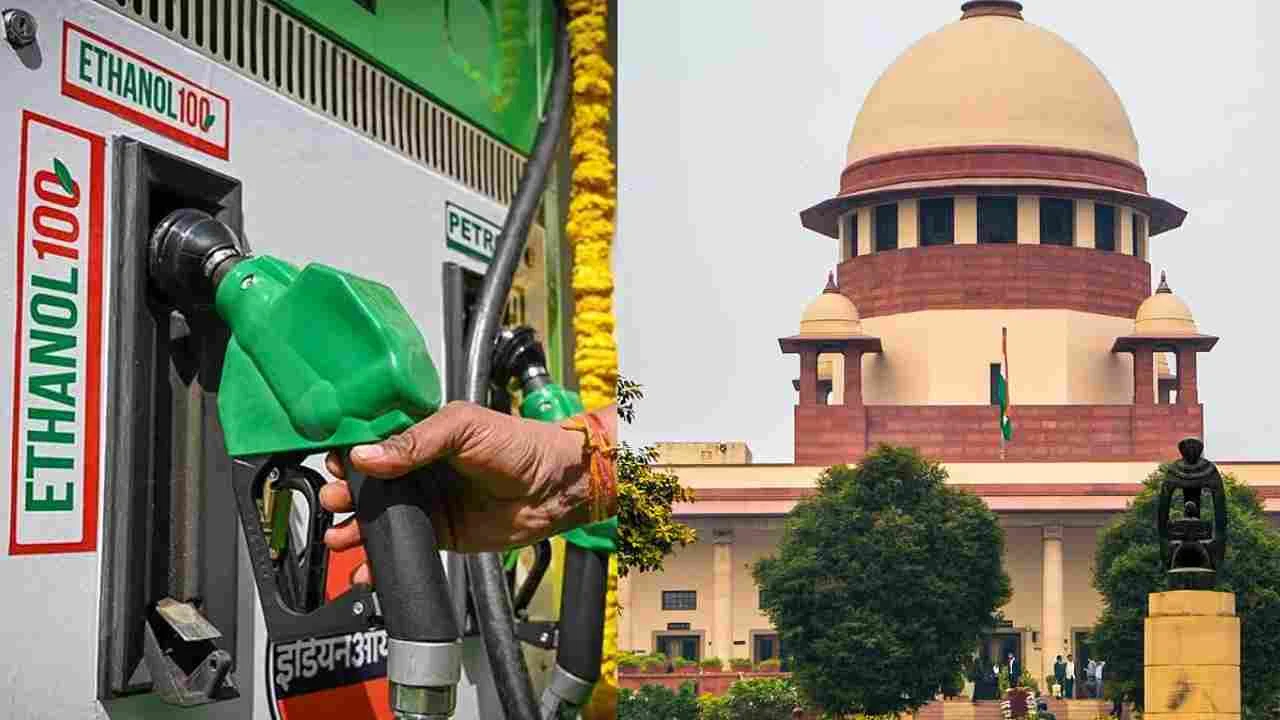
A Supreme Court petition frames ethanol disclosure as a consumer-protection gap in the E20 rollout, seeking mandatory labelling, a compatibility database, and disclosure of the policy record behind the mandate.
By Mahima Katal
New Delhi, Aug 29: The Supreme Court is set to hear a petition on August 31 that could reshape what motorists are legally entitled to know every time they fill their tank. The plea, filed by Narendra Kumar Goswami, seeks a direction to the Centre and other respondents to mandate uniform ethanol-content labelling on every petrol dispensing nozzle across the country, along with a corresponding disclosure requirement on fuel invoices. The matter is listed before a bench comprising Justices M M Sundresh and Prasanna B Varale, according to the apex court's causelist.
At its core, the petition treats ethanol disclosure not as a technical footnote but as a consumer right that has gone unaddressed even as the government's E20 blending programme, which mandates up to 20 percent ethanol content in petrol, has been rolled out nationwide. The plea argues that while the policy shift has moved forward, the information architecture around it has not kept pace: consumers, it says, have no reliable, standardised way of knowing the ethanol percentage in the fuel they are purchasing, despite the direct implications this can carry for engine compatibility, warranty claims, and vehicle performance.
Beyond point-of-sale disclosure, the petition asks the Court to direct the Centre to publish an official, publicly searchable vehicle-compatibility database, organised by manufacturer, model, engine type, and year of manufacture, indicating which ethanol blends are suitable for which vehicles. This, the plea suggests, would allow vehicle owners to independently verify compatibility rather than relying on assurances from fuel retailers or vehicle manufacturers alone.
The petition also seeks the constitution of an independent expert committee, comprising representatives from the ministries of petroleum and natural gas and of road transport and highways, the Bureau of Indian Standards, and independent automobile engineers. This committee, per the plea, would be tasked with examining real-world compatibility of E20 fuel across India's existing vehicle fleet and submitting a public report. The scope proposed for that report extends well beyond compatibility alone, the plea asks that it address fuel efficiency, engine longevity, and maintenance costs; warranty and insurance implications; the net environmental footprint of the blending programme, including tailpipe emissions and the water consumption associated with ethanol production; and food-security and feed-diversion concerns that critics have linked to large-scale ethanol procurement.
Separately, the petition seeks a national consumer disclosure protocol for all ethanol-blended petrol, to be framed in consultation with the Central Consumer Protection Authority and the Bureau of Indian Standards. It further asks that the respondent authorities be directed to place before the Court all policy files, technical studies, compatibility reports, safety standards, consumer advisories, and records of public consultation that informed the decision to make E20 rollout compulsory, a request that, if pressed, would test how far a writ court can compel disclosure of the deliberative record behind an executive energy policy.
The plea also asks for a time-bound, published transition framework for owners of legacy or non-compatible vehicles, including consideration of continued, designated availability of lower-ethanol petrol wherever technically, economically, and logistically feasible. This request, the petition states, should be supported by expert material and arrived at following public consultation, rather than being left to informal accommodation.
Taken together, the petition positions itself less as an environmental challenge to ethanol blending and more as a transparency and consumer-protection intervention into a policy that is already in motion. Whether the Court engages with the substantive relief sought, or confines itself to procedural directions such as seeking a response from the Centre, will likely become clearer once the matter is taken up on August 31.