Charges Proven, Judge Resigned: The Unfinished Question in the Yashwant Varma Case
A three-member judicial inquiry panel has found all three charges against Justice Yashwant Varma proved, including unexplained cash at his official residence, disturbance of evidence and an evasive explanation. However, Varma’s resignation has made parliamentary removal proceedings virtually infructuous, raising fresh questions over judicial accountability and institutional consequences. By Mahima Katal New Delhi, Aug 12: The controversy surrounding Justice Yashwant Varma has entered a new...
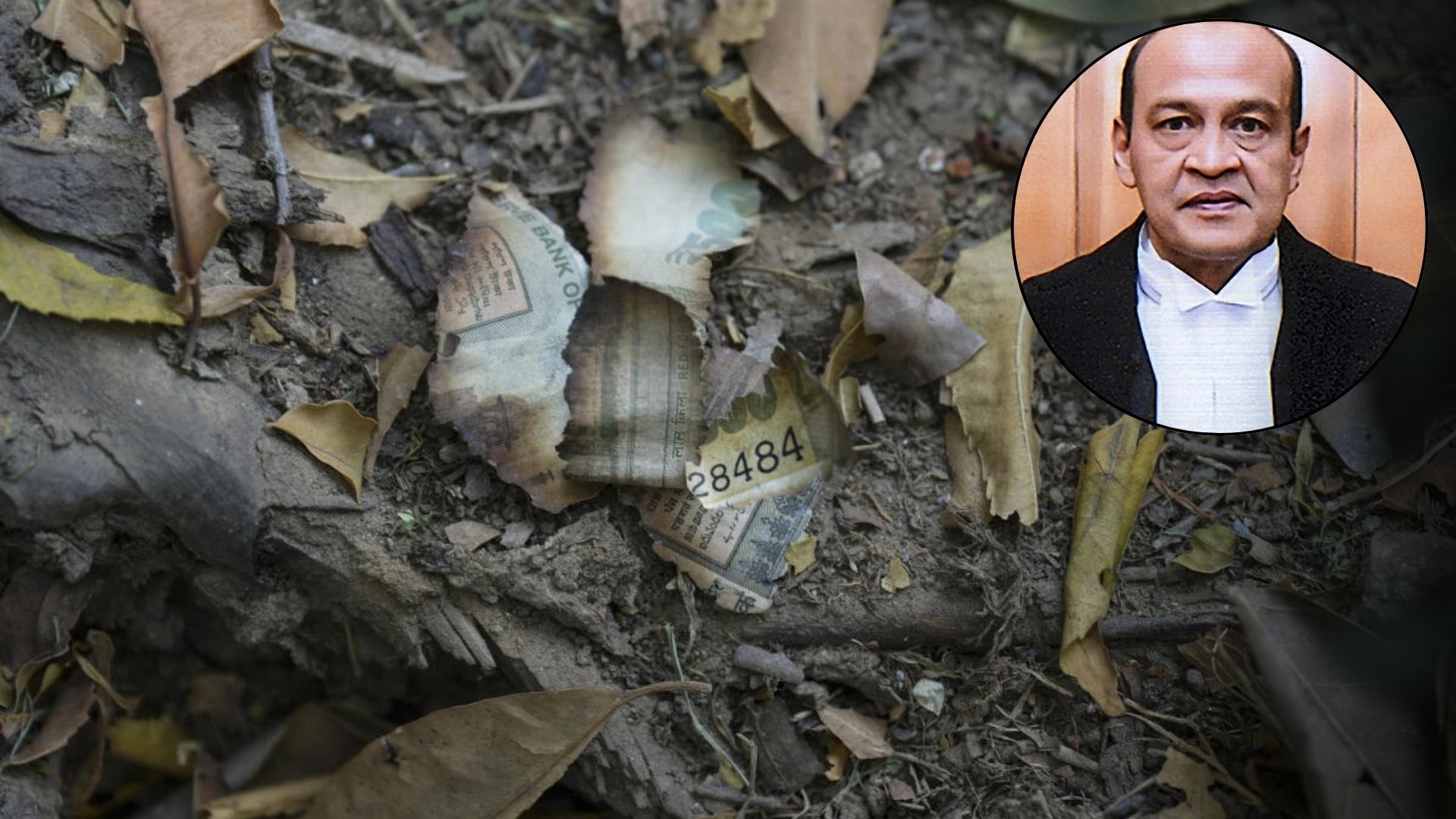
A three-member judicial inquiry panel has found all three charges against Justice Yashwant Varma proved, including unexplained cash at his official residence, disturbance of evidence and an evasive explanation. However, Varma’s resignation has made parliamentary removal proceedings virtually infructuous, raising fresh questions over judicial accountability and institutional consequences.
By Mahima Katal
New Delhi, Aug 12: The controversy surrounding Justice Yashwant Varma has entered a new phase after a three-member committee constituted under the Judges (Inquiry) Act concluded that all three charges against him were proved.
The committee's findings relate to the discovery of cash at a storeroom of Justice Varma's official residence, the handling of material evidence and the explanation provided by the judge during the inquiry.
In its report submitted to both Houses of Parliament on Wednesday, the committee said Justice Varma failed to furnish a satisfactory explanation regarding the presence, source or ownership of the cash found at the premises.
The panel also found that material evidence had not been properly secured or preserved. According to the report, the evidentiary condition of the storeroom was disturbed before the premises were lawfully sealed and inspected.
The committee further found Justice Varma's explanation to be evasive and unsatisfactory when examined against the evidence of independent official witnesses and other corroborative material.
It concluded that the explanation did not demonstrate the candour, transparency and institutional responsibility expected in the circumstances.
The panel therefore recorded its final finding that all three articles of charge against Justice Varma were proved.
The inquiry followed an incident on March 14, 2025, when a fire broke out at Justice Varma's official residence. Firefighters responding to the blaze allegedly discovered a large quantity of burnt currency in a storeroom.
The discovery led to questions about the source and ownership of the cash and the circumstances in which it was found at the official premises of a sitting judge.
The three-member committee subsequently examined the allegations and the evidence connected with them. Its report, submitted to Lok Sabha Speaker Om Birla in May, consists of two volumes containing oral and documentary evidence recorded during the investigation.
However, by the time the findings reached Parliament, Justice Varma had already resigned.
That resignation has significantly altered the course of the matter.
Nearly 200 Members of Parliament had pressed for action seeking his removal. Under the constitutional framework governing the removal of judges, Parliament can proceed against a judge for proved misbehaviour or incapacity.
But removal proceedings are directed at removing a judge from office. Once the concerned judge resigns, there is no longer a sitting judge against whom such a removal order can operate.
Consequently, proceedings for Justice Varma's removal have become virtually infructuous.
This, however, leaves a larger question unanswered: does resignation bring the issue of accountability to an end?
The inquiry committee has already recorded a finding on the allegations after examining evidence. Justice Varma's resignation may have ended the question of his continuation in judicial office, but it does not erase the findings contained in the report.
This distinction between resignation and accountability is likely to remain at the centre of the controversy.
The case also raises questions about the existing framework for dealing with allegations against judges who leave office while an inquiry or removal process is underway. The constitutional mechanism is primarily concerned with whether a sitting judge should continue in office. The consequences of an inquiry finding after resignation are less straightforward.
The findings relating to the handling of evidence add another dimension to the case.
The committee has said that the evidentiary condition of the storeroom was disturbed before lawful sealing and inspection. That observation raises questions about the preservation of evidence and the procedures followed after the discovery of the burnt currency.
For the judiciary, the significance of the case extends beyond the individual allegations. Judicial independence is a fundamental constitutional principle, but it operates alongside the requirement that members of the higher judiciary remain accountable to established institutional standards.
The challenge is to ensure that accountability mechanisms do not undermine judicial independence while also ensuring that judicial office does not become a shield against credible allegations of misconduct.
With Justice Varma having resigned, the immediate question of removing him from office has effectively disappeared. The inquiry report, however, remains before Parliament and forms part of the record of the proceedings.
The next phase is therefore likely to focus less on removal and more on the institutional significance of the findings.
The case could also prompt a wider debate on whether India's judicial accountability framework requires a clearer mechanism for dealing with allegations where a judge resigns before parliamentary proceedings reach their conclusion.
For now, the inquiry committee has delivered its finding: the three charges against Justice Varma are proved.
Justice Varma has resigned.
What remains unresolved is whether the system has any further accountability mechanism once resignation has made removal from office impossible.
That question could ultimately prove to be the most consequential legacy of the Yashwant Varma cash controversy.