ICRA Estimates Q2 GDP Growth at 7.5%, Above RBI Forecast; Agriculture GVA Growth Slows to 0.2%
ICRA India GDP Growth: India's GDP growth is estimated to ease to 7.5% in Q2 FY2026-27, but the sharper concern lies in agriculture, where GVA growth is projected to fall to 0.2% amid a weak monsoon and lower kharif sowing, according to ICRA.
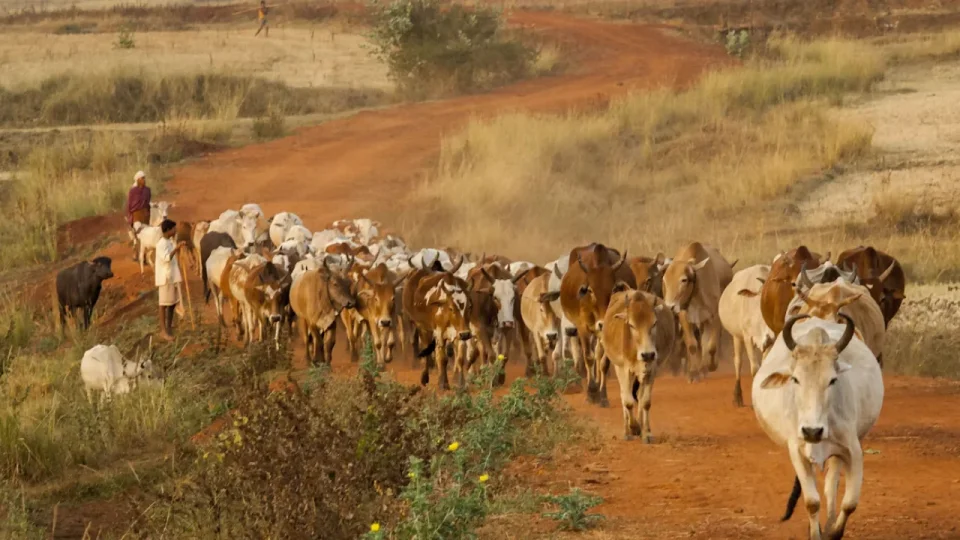
ICRA India GDP Growth: India’s economic growth is expected to remain above 7% in the July-September quarter, but the headline figure masks a widening gap between sectors. While manufacturing and services activity remained resilient, agricultural growth is estimated to have slowed sharply, with a weak monsoon and lower kharif sowing weighing on the sector.
The economy is estimated to have grown by 7.5% in the second quarter of FY2026-27, down from 7.8% in the previous quarter, according to an assessment by rating agency ICRA released on November 17. The estimate is also below the growth recorded in the year-ago quarter, although it remains higher than the Reserve Bank of India's Monetary Policy Committee forecast of 7.2%.
The moderation is more visible in Gross Value Added (GVA), which measures the value created by different sectors through the production of goods and services, after deducting the cost of inputs. ICRA expects GVA growth to ease to 7.2% in Q2 from 8.2% in Q1.
The agency attributed the difference between GDP and GVA growth to a healthy expansion in net indirect taxes on products.
Agriculture bears the brunt of a weak monsoon
Agriculture, forestry and fishing are estimated to have recorded GVA growth of just 0.2% in Q2, compared with 3.6% in the previous quarter and 3.2% in the corresponding period last year.
The slowdown comes amid a 1% year-on-year decline in the area under kharif crops. Rice sowing was down 3.5%, with declines reported in Karnataka, Andhra Pradesh, Telangana and Tamil Nadu. ICRA expects the uneven and below-normal rainfall to have affected crop yields as well.
The weakness in agriculture stands in contrast to the performance of the other major sectors. Industrial GVA growth is estimated at 7.2%, against 7.7% in Q1, while services growth is projected to ease to 9.1% from 10%.
Commenting on the sectoral trends, ICRA's Chief Economist and Head of Research and Outreach, Aditi Nayar, said:
“The robustness in high-frequency data across the industrial and services sectors for Q2 FY2027 portends a healthy economic growth in these segments in the quarter ending September 2026, belying sustained external headwinds.”
However, she cautioned that the agricultural sector had faced a different set of conditions.
“Sub-par monsoons are expected to have weighed on agri GVA growth in the quarter, amid the dip in kharif sowing and a likely adverse impact on crop yields.”
Manufacturing supports industrial activity
Manufacturing provided some support to industrial growth during the quarter. Output in the manufacturing sector, as measured by the Index of Industrial Production (IIP), grew by 8.1%, up from 6.9% in Q1. This was the highest growth recorded in the current IIP series, with 14 of the 23 manufacturing segments registering an improvement.
Output of motor vehicles, trailers and semi-trailers rose by 22.7%, compared with 15.3% in the previous quarter. Electrical equipment production grew by 31.8%, against 27%, while output of other transport equipment increased by 24.2%, compared with 19.5%.
ICRA's analysis of 895 listed manufacturing companies also pointed to an improvement in business performance. Aggregate revenue growth accelerated, while net profit returned to robust year-on-year growth after contracting in Q1. The improvement was partly driven by oil refining companies, although profits also rose at a healthy pace among manufacturers excluding refiners.
The picture was not uniformly positive across industry. Mining output contraction widened to 3.9% in Q2 from 1.2% in the previous quarter. Electricity and utility output, meanwhile, grew by 10%, up from 8.3%, partly because deficient rainfall increased demand for power.
Despite the improvement in manufacturing output, manufacturing GVA growth is estimated to have moderated to 8.2% from 9.2% in Q1.
Government spending growth loses pace
Investment indicators showed a mixed picture, with some private and state-level activity holding up while central government spending growth slowed.
Output of infrastructure goods grew by 7.7%, compared with 7.2% in Q1. Capital goods production, an indicator of investment demand, rose by 14.9%, marginally lower than the 15.2% growth recorded in the previous quarter.
However, growth in central government capital expenditure slowed sharply to 2.8% in Q2 from 23.7% in Q1. In contrast, capital expenditure by 25 state governments accelerated to double-digit growth during July and August.
Central government non-interest revenue expenditure also contracted by 0.8% in Q2, after growing by 19.5% in the previous quarter. State governments recorded a 4.9% increase in non-interest revenue expenditure during July and August, compared with 2.6% in Q1.
Nayar flagged the slowdown in government spending as another factor in the quarter's performance, noting that:
“Growth in the Central Government’s non-interest revenue as well as capital spending slowed sharply in this quarter.”
ICRA sees growth moderating in second half
Although the first half of FY2026-27 has remained resilient, ICRA expects economic growth to moderate in the second half. The agency has projected full-year GDP growth at 7.1%.
The risks include the impact of deficient rainfall on agricultural output, rising inflation affecting demand and elevated input costs putting pressure on business margins. ICRA also expects a high base associated with GST rate rationalisation to weigh on year-on-year growth.
Nayar said:
“While trends for H1 2026-27 were quite healthy and unexpectedly resilient against the global headwinds, ICRA expects GDP growth to moderate in H2 2026-27, amid the adverse impact of the deficient rainfall and rising inflation on demand, elevated input costs on business margins, and the high base related to the GST rate rationalisation.”
She added that these factors would bring down the agency's growth estimate for the full financial year to 7.1%.
The Q2 estimate, therefore, points to an economy that continues to expand at a relatively strong pace, but with growth increasingly uneven across sectors. Manufacturing and services have provided support, while the sharp slowdown in agriculture and softer central government spending remain areas of concern.