Pakistan-Iran Border Halt: Balochistan’s Trade Caught Between Security and Survival
Pakistan’s suspension of trade at two Iran border crossings in Balochistan over security and smuggling concerns has disrupted commercial activity, threatening local livelihoods and LPG supplies.
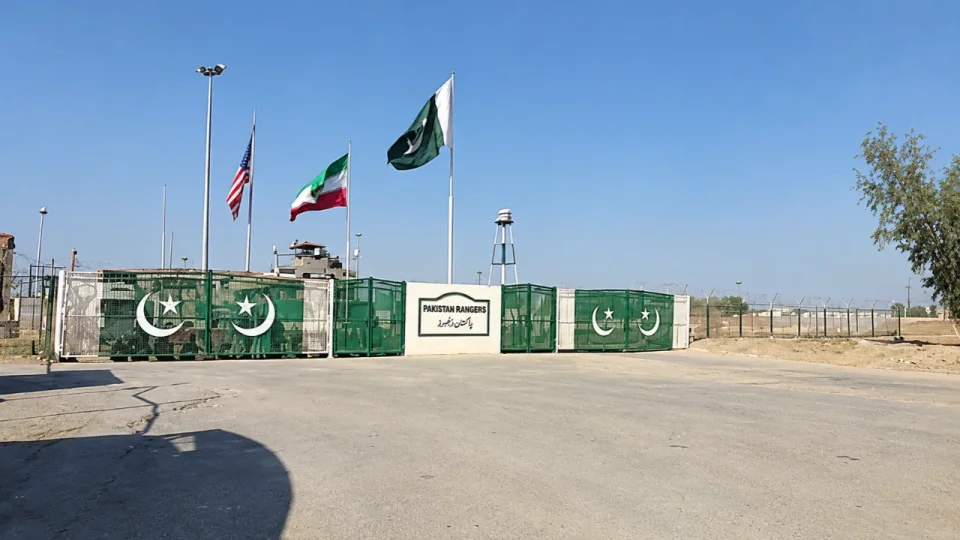
The Pakistan-Iran trade through Balochistan border has been suspended temporarily to identify the loopholes being used for illegal smuggling and security activities, as per the Pakistan government officials. The suspension, however, could affect thousands of people in Balochistan who depend on cross-border commerce for their livelihoods. In districts such as Gwadar, Panjgur, Kech and Chagai, many residents rely on transporting Iranian fuel, liquefied petroleum gas (LPG), food items and other goods.
Apart from benefitting the government, the movement provides employment to local drivers, transporters, loaders and small traders. The trasnsport is too smooth that some residents even use pickup trucks, locally known as zambad or Datsun, for carrying their goods. The more this suspension last, the more of these workers will remain without a regular income.
The order has began showing the outcome on the ground. Hundreds of freight vehicles carrying LPG, rice, fresh fruit and other essential commodities have reportedly been stranded on both sides of the border. Delays could increase transport costs as drivers continue to spend money on food, fuel and other necessities while waiting for trade to resume.
Security Concerns and Smuggling
Pakistan has long been dealing with Iran for fuel , including diesel and LPG, through both formal and informal channels. Due to smuggling, the government is deprived of revenue, creating an informal market outside the regulated trading system.
Pakistan–Iran border closure is temporary measure to improve border management to support counterterrorism efforts. The border will be opened as soon as effective measures are in place🇵🇰 https://t.co/lagNyIbMOK
— Deputy Commissioner Chagai (@DC_Chagai) October 17, 2026
Another challenge the government faces here is security, including militant activity and the movement of armed groups. Authorities aims to use the suspension to strengthen checks, improve border management and address suspected illegal trade. Although, the Pakistani authorities have not revealed specific details of the security incidents or smuggling networks that prompted the latest order.
Possible Impact on LPG Supplies and Prices
With the suspension, Pakistan may face the availability of LPG. The Gabd-Rimdan crossing has become an important route for energy supplies, with more than 4,000 tonnes of LPG reportedly imported through it each day, according to the Dawn newspaper.
Any prolonged disruption could restrict the flow of LPG into local markets, particularly in areas that depend on supplies from Iran. If the reduction in supply is not offset by alternative sources, prices could rise, adding to the financial pressure on households and businesses.
The Taftan crossing has also experienced disruptions amid unrest in Balochistan. Further restrictions on commercial movement through Gabd-Rimdan could therefore compound existing supply difficulties.
Officials Expect Trade to Resume Soon
Balochistan Chief Minister's adviser on media affairs Shahid Rind has said that the border crossings are expected to reopen for trade soon. Rind said on Saturday that the suspension was necessary to improve security and administrative arrangements on both sides of the border. He added that officials from Pakistan and Iran were holding talks to resolve the outstanding issues.
Urging the public not to believe unverified reports, Rind said people should ignore rumours surrounding the Pakistan-Iran border situation.
ٹکرز برائے الیکٹرانک میڈیا کوئٹہ، 17 اکتوبر *پاک ایران بارڈر کی عارضی بندش کے حوالے سے سوشل میڈیا پر پھیلائی جانے والی افواہوں میں صداقت نہیں، معاون وزیر اعلیٰ بلوچستان برائے اطلاعات و سیاسی امور شاہد رند* پاک ایران بارڈر کی عارضی بندش کا مقصد سکیورٹی خدشات کا ازالہ، اسمگلنگ کی روک تھام اور سرحدی نظام کو مؤثر بنانا ہے، معاون اطلاعات بلوچستان بارڈر کے دونوں اطراف سکیورٹی صورتحال اور انتظامی امور کو بہتر بنانے کے لیے عارضی بندش ضروری تھی، شاہد رند پاک ایران بارڈر سے متعلق انتظامی مسائل کے حل کے لیے دونوں ممالک کے اعلیٰ حکام کے درمیان مثبت پیش رفت جاری ہے، معاون وزیر اعلیٰ بلوچستان موجودہ پیش رفت کے تناظر میں پاک ایران بارڈر جلد کھلنے کا امکان ہے، شاہد رند سرحدی امور میں بہتری، اسمگلنگ کی روک تھام اور امن و امان کے قیام کے لیے مربوط نظام وضع کیا جا رہا ہے، معاون اطلاعات بلوچستان بارڈر مینجمنٹ کو مؤثر بنانے سے سرحدی علاقوں میں بدامنی پر قابو پانے میں مدد ملے گی، شاہد رند سرحدی نظام میں بہتری سے تاجروں کو مزید سہولیات فراہم کرنے کی راہ ہموار ہوگی، معاون وزیر اعلیٰ بلوچستان پاک ایران بارڈر سے متعلق عوام غیر مصدقہ اطلاعات اور افواہوں پر کان نہ دھریں، شاہد رند معاون اطلاعات بلوچستان
— Shahid Rind (@ShahidRind) October 17, 2026
What Iran Says
Iranian Foreign Ministry spokesperson Esmail Baghaei also described the closure as temporary, according to the state-run IRNA news agency. However, while Pakistani officials cited security and administrative concerns, Baghaei attributed the suspension to technical issues. He said consultations were under way to resolve the problem and restore normal operations.
The differing explanations suggest that the two sides have yet to publicly establish a common account of the reasons for the suspension. The resumption of trade will be important not only for bilateral commerce but also for the thousands of people whose livelihoods depend on cross-border movement.