Ladakh's Democracy Gap: How Traditional Village Leadership Filled Part of the Void
Ladakh Elections after Eight Years: From water and roads to accountability, will the panchayat election restores a voice in local decision-making for Ladakh voters?
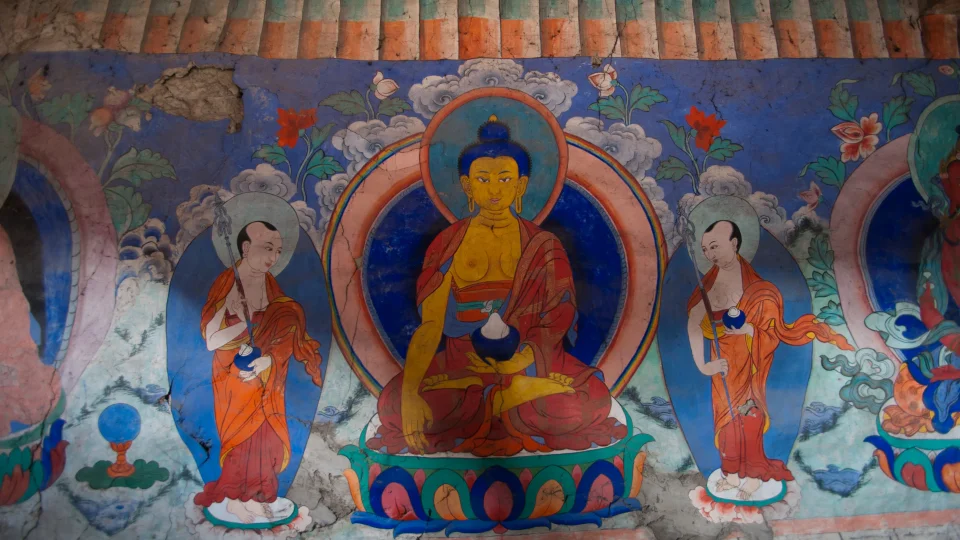
Ladakh Elections after Eight Years: Ladakh is holding panchayat and municipal elections on November 21, 2026, after several years without elected representatives at the village and municipal levels. The last such elections were held in 2018, when Ladakh was still part of Jammu and Kashmir. The elected panchayats and municipal bodies completed their terms in 2023 and 2024, respectively, but fresh elections were not held.
Government officials, traditional village leaders and the Ladakh Autonomous Hill Development Councils (LAHDCs) continued to handle local administration during this period. But what did the absence of elected local representatives mean for ordinary residents? Who did people approach when they faced problems with roads, drinking water, sanitation or other civic facilities? And how did the lack of elected bodies affect decisions about development in their villages and towns?
These questions are particularly important in a region where settlements are widely dispersed, many villages are located in remote areas, and communities depend on shared natural resources for their livelihoods.
A historic milestone for grassroots democracy in Ladakh! Under LAHDC (Amendment) Regulation, 2026, I have officially notified 100 constituencies for the eight Ladakh Autonomous Hill Development Councils. This almost doubles the number of councillors from the existing 52 to 100, across our newly structured councils – Leh: 22, Kargil: 21, Sankoo: 13, Changthang: 10, Nubra, Sham & Zanskar: 9 each and Drass: 7. This is a rational and fair apportionment that uses panchayat halqas and municipal wards as foundational units, giving due weight to both elector population and geographical area. I am confident, the increased number of seats will significantly enhance local representation, strengthen grassroots democracy, and promote inclusive governance across every corner of Ladakh.
— LG Ladakh (@lg_ladakh) October 21, 2026
Also Read: Kerala’s Cashew Plantation Disaster Cited by UN to Warn of Global Chemical Risks
Understanding the Gap in Local Representation
The District Leh administration's election archive records the 2018 panchayat polls, including arrangements for the second phase of polling on November 17, 2018. Ladakh became a Union Territory in August 2019. However, the change in its administrative status did not immediately bring fresh elections to village and municipal bodies. The previous panchayats completed their terms in 2023, while municipal bodies completed theirs in 2024. The result was a prolonged gap in elected representation at these two levels of local governance.
It is important to distinguish this from a complete absence of elected institutions. The LAHDCs in Leh and Kargil continued to function, while government departments and officials remained responsible for administration. However, residents did not have elected panchayat and municipal representatives to directly raise local issues and seek accountability.
How Did Local Governance Continue?
The absence of elected panchayats did not mean that village administration came to a halt. Traditional village institutions continued to play a role alongside government officials and the Hill Councils. Research titled The Goba of Ladakh: Current Relevance of a Traditional Governance System, by Kalpavriksh and the Ladakh Buddhist Association, examines the continuing role of the goba, also known as the lambardar or nambardar.
The goba is a traditional village head who acts as a local point of contact and helps address community matters. The research describes how this institution interacts with panchayats, the Hill Councils and the Union Territory administration.
This system provided a degree of continuity in village-level governance even when elected panchayats were not functioning. However, traditional village leadership and elected local bodies do not have identical roles or powers. The absence of panchayats therefore raised questions about formal representation, accountability and the ability of residents to influence local development decisions.
What Did It Mean for Residents?
The impact of the absence of elected local bodies needs to be understood beyond the electoral process. Panchayats provide an elected platform through which residents can raise concerns about drinking water, village roads, sanitation, irrigation and other development needs. Municipal representatives perform a similar role in towns, dealing with issues such as waste management, drainage, street lighting and civic infrastructure. Without these elected representatives, residents had to depend more on administrative channels and other existing local institutions to get their concerns addressed.
Research on five border villages in Kargil district, Hardas, Shilikchay, Mushkoo, Kaksar and Darchik, offers another perspective on the challenges of local governance.
A 2026 doctoral study titled Governing Common Property Resources and Politics of Engagement: A Case Study of Border Villages in the Union Territory of Ladakh, by Limseer Ali P A, examines how communities depend on shared natural resources, including glacier-fed irrigation systems, alpine pastures and cultural commons. Nearly three-quarters of the surveyed households depended on these common-property resources, primarily as a livelihood safety net rather than a commercial asset.
The study describes a governance structure involving traditional authorities, administrative institutions and the military. It also raises concerns about centralised decision-making, limited community participation and the effects of top-down interventions on local resource management.
For residents of these villages, local representation is therefore not just about having someone to approach over civic complaints. It also concerns who gets a say in decisions about water, grazing land, access to common resources and development priorities.
The return of elected panchayats could provide a formal platform for these concerns to be raised. However, the extent to which the new representatives can influence such decisions will depend on the powers and resources available to them.
The State Election Commission, Ladakh, proposes to hold Panchayat General Elections across all Panchayat Halqas. Polling is scheduled for 21 November 2026, with elections to be completed by 30 November 2026. https://t.co/IU0lDbdh30
— DIPR Ladakh (@DIPR_Ladakh) October 21, 2026
What Is on the Ballot?
The November 21 elections cover panchayat halqas across Ladakh and municipal wards in Leh and Kargil. According to the official election notification, Leh has 21 municipal wards, while Kargil has 17. The State Election Commission has scheduled panchayat polling for November 21, with the election process expected to conclude by November 30.
The administration has also been reviewing election preparations, involving the State Election Commission, police, rural development officials and district authorities.
By November 20, election materials and polling teams had been dispatched in areas such as Nubra and Sham. The exercise involves logistical challenges because of Ladakh's widely dispersed settlements and remote terrain.
Panchayat and municipal election schedule
Election |
Details |
|---|---|
| Panchayat elections | Polling on November 21; process to conclude by November 30 |
| Leh Municipal Committee | 21 wards |
| Kargil Municipal Committee | 17 wards |
| LAHDC elections | Scheduled separately for December 4 |
The administration has also announced a restructuring of the LAHDCs. On October 21, Lieutenant Governor Ladakh announced that 100 constituencies had been notified for the eight Hill Councils, almost doubling the existing 52 councillor seats. The proposed distribution is Leh: 22, Kargil: 21, Sankoo: 13, Changthang: 10, and Nubra, Sham and Zanskar: nine each, and Drass: seven.
The Lieutenant Governor said the new arrangement would use panchayat halqas and municipal wards as foundational units, taking into account elector population and geographical area. The LAHDC elections are a separate exercise from the November 21 panchayat and municipal polls.
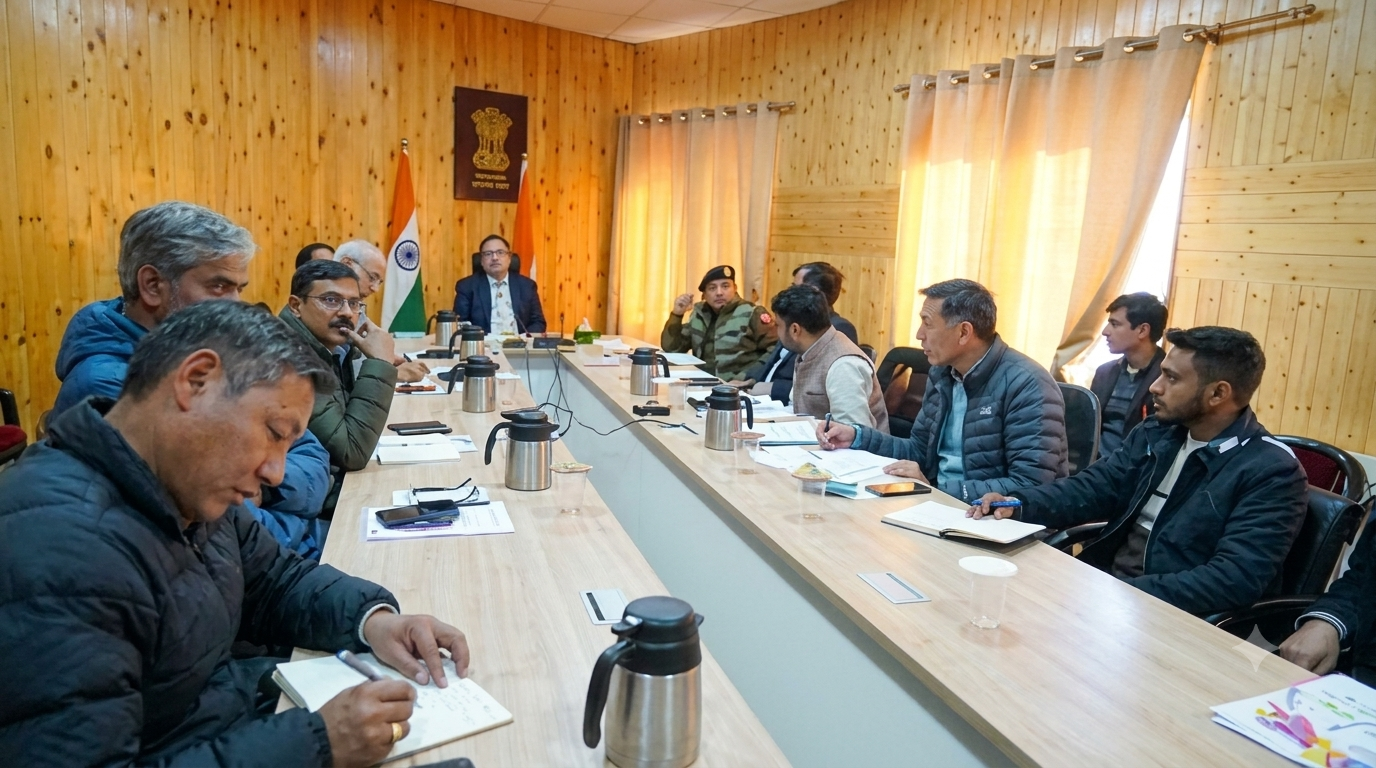
Chief Secretary, Union Territory of Ladakh, Ashish Kundra, reviews Preparations for Panchayat Elections 2026.
Courtesy: Administration of Union Territory of Ladakh
Will Elections Restore Local Accountability?
The administration has described the elections as an important step towards strengthening grassroots democracy and increasing public participation. Chief Secretary Ashish Kundra has called for active public participation in the electoral process and assured consultations with stakeholders on key policy matters.
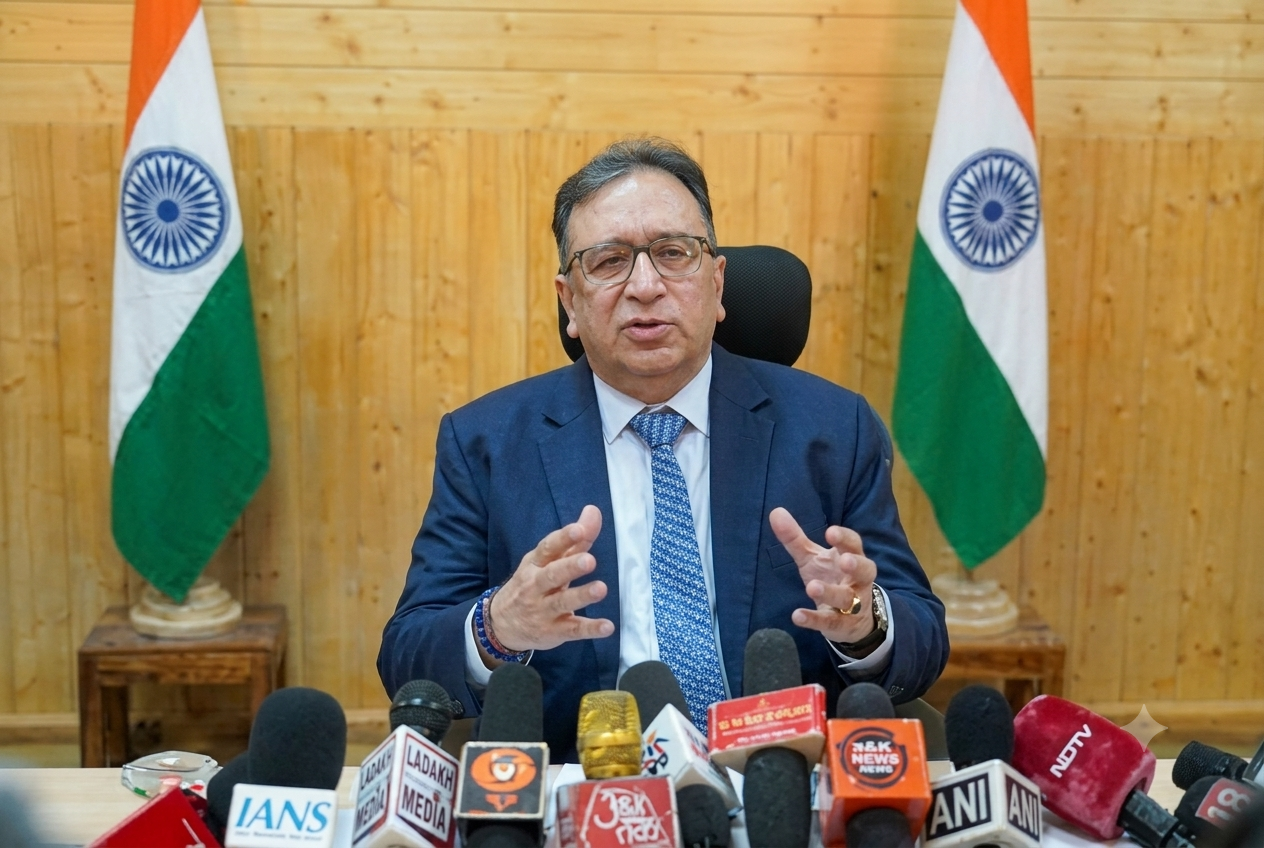
Chief Secretary Ladakh Calls for active public participation in upcoming elections, assures stakeholder consultations on key policy matters.
Courtesy: Administration of Union Territory of Ladakh
However, holding elections is only one part of restoring local representation. The effectiveness of the new panchayats and municipal bodies will also depend on the powers, funds and administrative support available to them. For residents who have spent several years without elected representatives at these levels, the immediate question is whether the new institutions will make it easier to get everyday civic problems addressed and ensure that local priorities are heard in development decisions.
The elections will bring elected representatives back to village and municipal institutions. Whether this translates into greater local participation and accountability will depend on how much authority these representatives are actually able to exercise.