Iran Intensifies Pressure on Strait of Hormuz Shipping as Tanker Attacks Rise
Strait of Hormuz: Iran targets vessels using unauthorised routes, or shutting AIS transponders; Iran adds tugboats to non-compliance list, tanker attacks rise near Oman’s coast.
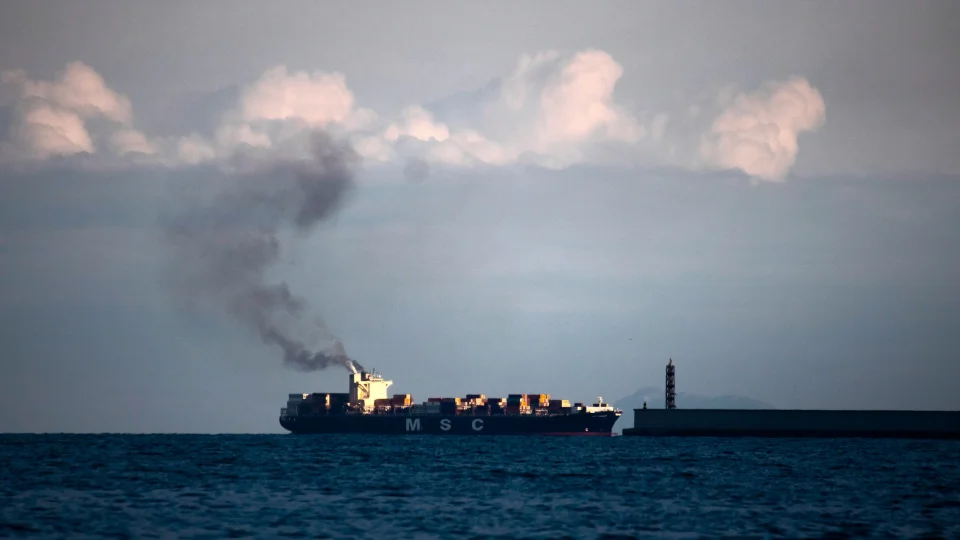
Iran Attacks Strait of Hormuz: Attacks on commercial vessels in and around the Strait of Hormuz have reportedly reached their highest levels since the Iran-US conflict began in late February, with more than 30 incidents reported in October, while at least 22 were reported by November 22.
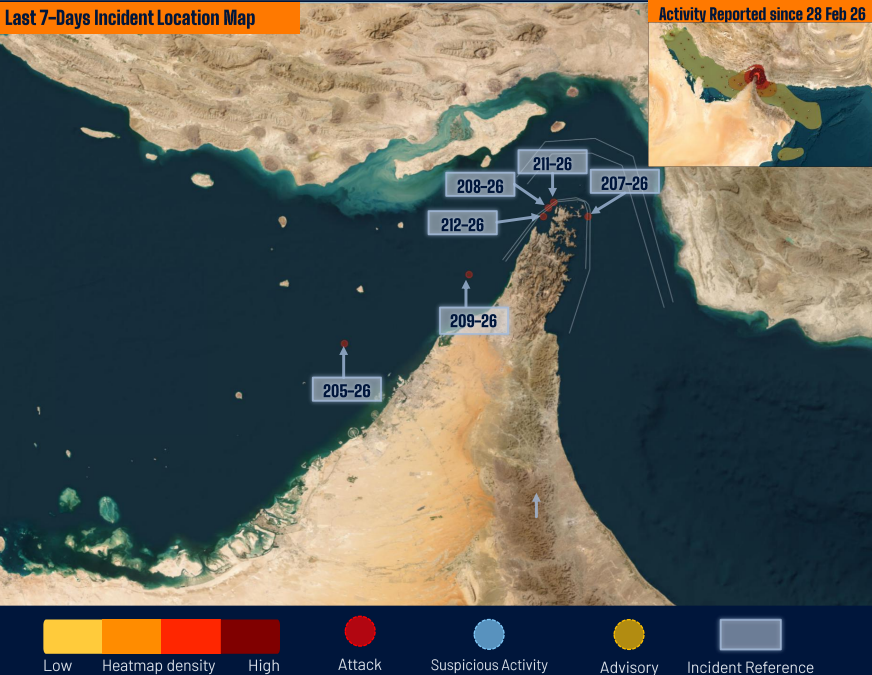
The latest attacks have focused on tankers using the southern corridor near Oman’s coast, a route Iran opposes. Royal Navy-affiliated United Kingdom Maritime Trade Operations Centre (UKMTO) recorded six incidents in the week ending November 20, according to its weekly overview, including four in the Strait of Hormuz, with several tankers struck by unknown projectiles and some requiring assistance.
Iranian authorities have claimed that commercial ships using unauthorised routes or disabling their Automatic Identification System (AIS) transponders are being targeted. Iran’s Persian Gulf Strait Authority (PGSA) has updated that 26 commercial tugboats have been placed on a “non-compliance list” for assisting unauthorised vessels.
1/ Due to providing services to non-compliant vessels in the illegal corridor of the #Strait_of_Hormuz, 26 tugboats have been recently added to the Non-Compliance List (NCL), based on intelligence provided by citizens of Iran's southern neighbors and the #PGSA field data. https://t.co/rkU7Sp0JoK
— PGSA | نهاد مدیریت آبراه خلیج فارس (@PGSA_IRAN) November 24, 2026
What Iran Is Trying to Do
The central question is whether Iran is trying only to disrupt traffic, or to establish a system of control over the strait. Iranian authorities have reportedly sought to require ships to file permits with the Persian Gulf Strait Authority, follow Iranian-designated routes, and obtain insurance from state-backed providers.
That would move beyond a temporary blockade and create a more permanent administrative structure. Ships that comply with Iranian rules may be treated as compliant, while those that avoid them risk being treated as targets, reports CNN. The PGSA’s action against tugboats and the focus on “dark” vessels, ships that switch off AIS transponders, suggest that the dispute is increasingly about compliance rather than simply military strikes.
What the Data Shows
UKMTO recorded 106 incidents in the Strait of Hormuz between February 28 and November 18, with 148 reports of damage to vessels and 90 injuries or fatalities year to date. The organisation says its figures are likely an undercount because many attacked vessels do not report incidents.
JMIC ADVISORY UPDATE 117 - 26 NOV Distributed by UKMTO on behalf of the Joint Maritime Information Centre. Click here to view the full advisory⤵️ https://t.co/mUoXGW4ZjZ #MaritimeSecurity #MarSec https://t.co/RHgGjAD93L
— UKMTO Operations Centre (@UK_MTO) November 26, 2026
Combined transits through the strait fell to 115 outbound and 148 inbound in the week ending November 20, about 65% below pre-conflict levels, according to UKMTO. The Joint Maritime Information Centre, in an advisory distributed by UKMTO, reported that US-facilitated transits averaged 38 vessels per day between November 19 and 21, compared with a pre-war average of 138. Further, more than 218 commercial vessels were anchored east of the strait awaiting safe passage. The backlog highlights the scale of disruption even as some traffic continues.
Why the Attacks Matter
The Strait of Hormuz carried about a fifth of the world’s oil before the war, making it one of the most important energy routes globally. Any sustained disruption affects oil and gas shipments, insurance costs, shipping schedules, and global energy prices.
Iran initially sought to shut the waterway after US-Israeli attacks began the conflict. The United States responded by imposing a blockade on Iranian ports and escorting commercial ships willing to transit the strait.
Oil exports from the region have since recovered close to pre-war levels, as per the International Energy Agency. That has reduced some of Iran’s leverage, as falling oil prices weaken the economic pressure Tehran had hoped to exert on Washington.
Iran’s Options
Iran may escalate further if it believes its leverage over the strait is weakening. Possible options include increasing pressure on tankers using the US-supported route, disrupting ship-to-ship oil transfers, or targeting Gulf infrastructure and alternative export routes, as per the report.
Hamidreza Azizi, a senior Iran analyst at the International Crisis Group, told CNN that markets may be assuming a return to full-scale war is unlikely, but that assumption could change quickly if Iran intensifies the confrontation. Whereas Trita Parsi of the Quincy Institute said that further Iranian action may not change Washington’s position unless Iran offers Trump a symbolic victory. That suggests the conflict may remain stuck between military pressure and diplomatic stalemate.
What Lies Ahead
The key issue may remain whether Iran can convert military pressure into lasting administrative control over the strait. If shipping companies begin routinely complying with Iranian permit and insurance requirements, Tehran may gain influence even without fully closing the waterway.
The alternative is that ships continue using US-escorted routes, turning off AIS transponders and accepting higher risk. That would keep the strait open but leave commercial crews exposed to mines, projectiles, and insurance complications.
Also Read: US Blacklists Megaspeed: How Nvidia's Chip Probe Became a Washington Flashpoint