Congress-Meta Face-Off Puts Political Content Moderation Under Scrutiny
Congress Meta Face-Off: The Congress has accused Meta of selectively removing content critical of the BJP government and restricting accounts linked to its leaders. A meeting between the party's delegation and Meta representatives has brought questions of political censorship, content moderation and social media accountability back into focus.
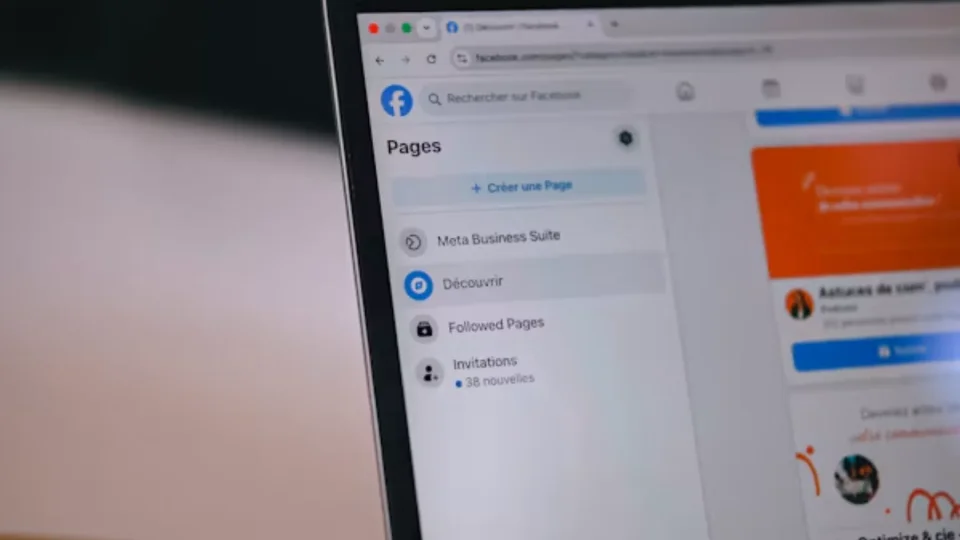
Congress Meta Face-Off: Days after the Congress’s youth workers staged protests outside Meta offices in Hyderabad, Bengaluru and Mumbai, representatives of the technology company met a Congress delegation to discuss allegations of selective content moderation on its social media platforms. The Congress accused Meta, which owns Facebook and Instagram, of restricting content posted by its leaders and party-affiliated accounts, alleging that the company was interfering in India's democratic process and silencing the Opposition.
According to The Indian Express, Meta India's Head of Public Policy Aman Jain and Natasha Jog, a senior executive responsible for Instagram's public policy, met Congress social media head Supriya Shrinate and members of her team at a five-star hotel on Tuesday. The meeting lasted more than two hours. Congress leaders told the newspaper that the delegation presented Meta with a list of accounts and posts that they claimed had been blocked or restricted on the company's platforms. They alleged that content critical of the BJP-led government was being selectively taken down, while posts supporting the ruling party were allowed to remain online.
A Congress leader quoted by The Indian Express said the delegation accused Meta of banning accounts associated with the party and restricting content featuring keywords such as Congress, Rahul Gandhi and other party leaders. The delegation also questioned why videos mocking Congress leaders, allegedly circulated by BJP-affiliated social media handles, remained accessible while similar content critical of the government was removed.
Meta representatives reportedly maintained that the company was complying with Indian laws and responding to requests from law enforcement agencies. They also expressed concern about the safety of their employees following the protests, according to the newspaper.
Dispute Over AI-Generated Content and Moderation
One of the key disagreements during the meeting concerned the nature of the content removed from Meta's platforms. The company's representatives reportedly told the Congress delegation that most of the videos taken down were AI-generated.
The Congress, however, disputed this explanation, presenting examples of videos in which BJP-affiliated handles allegedly mocked its leaders but which had not been removed. The delegation argued that Meta's moderation practices appeared to disproportionately affect content critical of Prime Minister Narendra Modi and his government.
Another issue raised by the Congress was the process followed before suspending accounts. A source present at the meeting told The Indian Express that the delegation cited X, owned by Elon Musk, as an example of a platform that allows users to present their side of the case before a decision is taken on suspending an account.
The Congress's concerns come amid wider debates over the power exercised by social media companies in determining what political content remains accessible online. Content moderation decisions, particularly during politically sensitive periods, can influence the visibility of political messaging, public debate and the ability of parties to reach voters.
Meta's position under Indian IT rules
Meta's position, as reported by The Indian Express, was that its content moderation practices comply with India's Information Technology Rules and applicable legal requirements. The company reportedly maintained that requests from law enforcement agencies were responsible for some of the content removals.
The exchange, however, highlights a larger question about transparency and accountability in content moderation. While technology companies are required to comply with the laws of the countries in which they operate, political parties and users have raised concerns about how consistently those rules are applied and whether adequate explanations and avenues of appeal are provided when content or accounts are restricted.
The allegations made by the Congress have not, in themselves, established that Meta selectively targeted Opposition content. The company’s reported response and the evidence presented by the delegation remain central to understanding the dispute.