Mumbai’s Two Economies: With Global Capital Pouring In, Would Homes Be Affordable?
Mumbai Housing and APAC's Investor Interest: Mumbai’s global real-estate appeal is rising, but affordability might be slipping further out of reach.
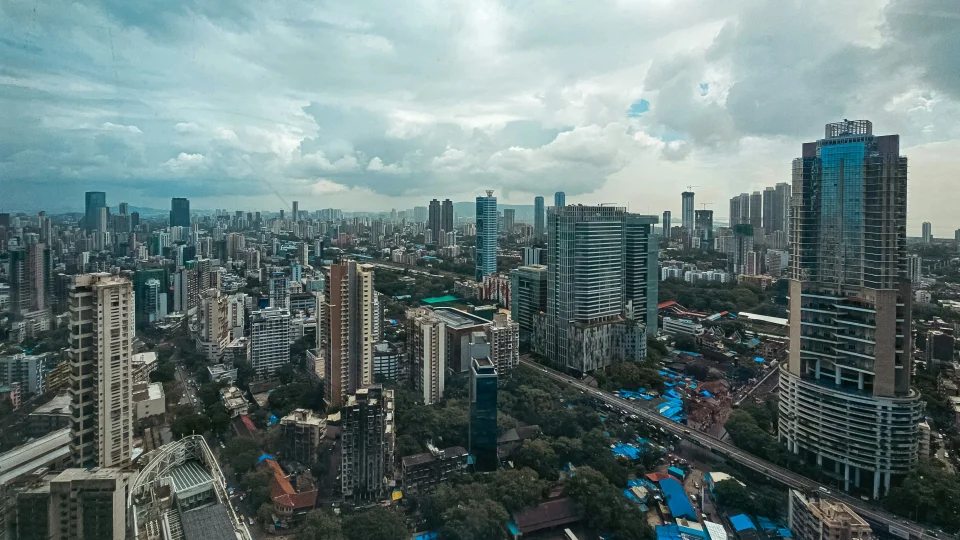
Mumbai Housing and APAC's Investor Interest: In the “2027 Global Investor Outlook” released by Colliers on November 18, Mumbai has been ranked among the Asia Pacific (APAC) region's top 10 preferred destinations for cross-border real estate investment for the coming year; With the ranking based on a global survey of over 1,170 investors across 35 countries.
Mumbai fits that investor thesis. Its commercial market remains deep, its connectivity is improving, and its residential market has shown unusual resilience. Yet the same forces that make the city attractive to global capital- scarce land, rising land values, premium development, and strong rental demand- may also be widening the gap between what Mumbai produces and what its working and middle-class residents can afford.
Mumbai's Resilient Market, at a Rising Price
Mumbai’s housing market held firm in 2025, retaining one of India’s largest residential markets even as home prices climbed. Knight Frank recorded 97,188 units sold across the city in 2025, a 1% increase from the previous year, even as national sales slipped marginally, as in India Real Estate: Office and Residential Market – H2 2025 (July–December 2025) report.
Prices, however, continued to climb. The city’s average residential price rose 7% year-on-year to ₹8,856 per sq ft, while new launches declined 10% to 87,114 units. With firm sales, fewer launches, and higher prices, the market indicates that demand remains strong, but supply is becoming increasingly concentrated in higher-value segments.
The Urban Land Institute’s Home Attainability Index 2025 found that renting a standard apartment in Mumbai consumes roughly 53% of median household income, well above the global 30% affordability benchmark.
Despite higher prices, buyer demand has remained intact.
What Puts Mumbai on APAC’s List
“As investors navigate a higher-interest-rate environment, opportunities will increasingly emerge in markets where strong economic growth, constrained supply and rising occupier demand support income growth." said Theo Novak, Managing Director, Capital Markets, Asia Pacific. "We expect capital to favour high-quality office assets, living sectors and infrastructure-related real estate as Asia Pacific continues to attract global investment and business expansion.”
That logic may apply directly to Mumbai, as the city’s office market reportedly recorded ₹125 per sq ft per month in average rents in H2 2025, up 6% year-on-year, while office leasing volumes remained substantial at 9.8 million sq ft for the year.
Colliers has five key catalysts fueling cross-border real estate interest in APAC for 2027, on the basis of which the Indian city has been ranked 10th in the Asia Pacific Region.
- Rental resilience: 66% of regional investors expect rental growth to positively impact performance.
- Value-add deals: Upgrading and repositioning assets accounts for 25% of all investment strategy picks, the highest in the region.
- Economic momentum: 53% of respondents cite long-term regional economic growth as a major confidence booster.
- Tech capital rotation: Investors are shifting profits from high-performing tech and AI investments into physical property.
- Flexible dealmaking: Greater use of joint ventures, recapitalizations, and secondary deals is unlocking new capital deployment.
This, for investors, is likely to translate into a durable real-estate market: limited developable land, established business districts, a large consumer base, and improving transport links.
Infrastructure is Reshaping the Map
Mumbai’s biggest near-term real-estate catalyst is connectivity. Projects such as the Mumbai Trans Harbour Link, or Atal Setu; the Coastal Road; expanding metro corridors; and the Navi Mumbai International Airport are reducing travel time between the island city, its suburbs and emerging nodes across the metropolitan region.
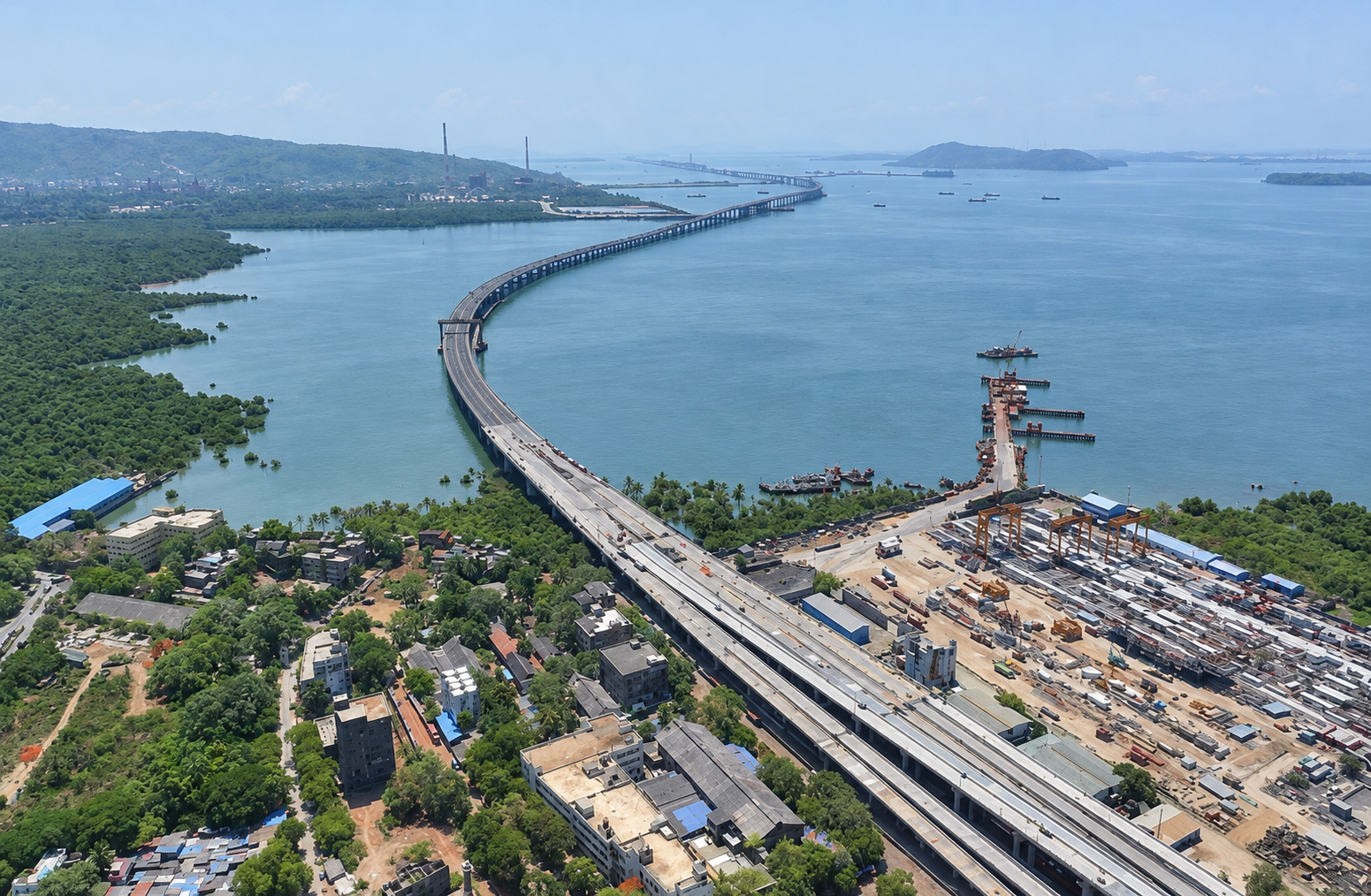
Courtesy: Mumbai Metropolitan Region Development Authority
The central question, then, goes beyond Mumbai attracting international capital, to whether it creates a broader, more inclusive housing market, or simply raises the price of entry into one of the world’s most land-constrained cities.
Two Realities Moving Apart?
Cross-border investment in real estate might indirectly benefit Mumbai in several ways: commercial leasing sustains job creation, while construction premiums and property levies feed civic infrastructure budgets. Even so, global capital alone cannot solve a structural housing deficit when land is scarce and private returns favour offices, data centres, and luxury towers.
Whether Mumbai’s global property ambition ultimately serves its residents will depend less on international rankings and more on domestic policy, specifically, how swiftly regulators clear stalled redevelopments, enforce MahaRERA protections, and channel transit-led growth into genuinely attainable homes.
Also Read: West Bengal’s Name Reviving a Debate That Has Spanned Nearly Three Decades