Quota For Women In Lok Sabha And State Legislatures In Limbo
The House of People of Indian Parliament defeats Constitution Amendment mooted by the Narendra Modi government for early operationalization of 33 per cent quota for women in legislature By The Slate Bureau New Delhi: The Women's Reservation Act, 2023 mandating 33 per cent quota for women in Lok Sabha and state legislatures to be operationalized after a delimitation exercise came into force on Thursday. But its implementation fell into a limbo with the 131st Constitution Amendment Bill, aimed...
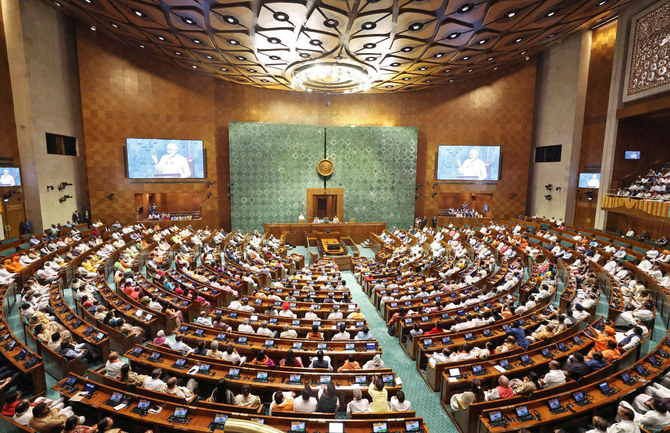
The House of People of Indian Parliament defeats Constitution Amendment mooted by the Narendra Modi government for early operationalization of 33 per cent quota for women in legislature
By The Slate Bureau
New Delhi: The Women's Reservation Act, 2023 mandating 33 per cent quota for women in Lok Sabha and state legislatures to be operationalized after a delimitation exercise came into force on Thursday. But its implementation fell into a limbo with the 131st Constitution Amendment Bill, aimed at operationalizing quota for women at the earliest by permitting delimitation of constituencies based on the 2011 census, being defeated in the Lok Sabha a day later on Friday.
The Opposition bulldozed the Bill by a clear margin with 230 MPs voting against the Bill which required support of 352 of the 528 MPs present in the House for a two-third majority required for passing a Constitution Amendment Bill. The amendment was supported by 298 MPs only.
Though the Women's Reservation Act has come into force, it can be implemented only after a delimitation exercise after the new census in terms of the Act. The quota for women can be provided only after the increase of seats in Lok Sabha pursuant to the delimitation exercise based on the 2027 census.
With the implementation being tied to increase in seats, the Narendra Modi government had sought to hasten the process by introducing the amendment to increase the seats in Lok Sabha from 543 to 850 following a delimitation exercise based on the 2011 census to operationalise the women's reservation law before the 2029 parliamentary polls.
With the Lok Sabha defeating the amendment, the quota for women in Lok Sabha and state legislatures now cannot see the light of the day before the 2034 elections.
Though notified on Thursday, Parliament had passed the 'Nari Shakti Vandan Adhiniyam', commonly known as the Women's Reservation Act in September 2023.
With the defeat of the amendment, the reservation would not become enforceable before 2034, as it was tied to the completion of the delimitation exercise post 2027 Census. The reservation introduced for women by Parliament in 2023 was to "come into effect after an exercise of delimitation is undertaken for this purpose" after the relevant figures for the first census taken thereafer.
This had necessitated the 131st Constitution amendment providing for delimitation based on 2011 census.
Justifying the need for amendment, Union Home Minister Amit Shah said that the Nari Shakti Vandan Act stipulated that reservation for women will be ensured in the delimitation exercise to be carried out after the Census conducted post-2026.
"When the new Parliament building was inaugurated, the Nari Shakti Vandan Act was the first Bill to be passed unanimously, and it was also passed in the Rajya Sabha. He said that when it came to implementing it, the opposition has once again started opposing it, which the women of the country will never forget," he added.