ICJ Rohingya Genocide Judgment: UK Sanctions Myanmar Military Leaders; What Does It Mean?
ICJ Rohingya Genocide Judgement: The UK's decision to sanction five senior Myanmar military leaders follows a landmark International Court of Justice ruling that found Myanmar responsible for genocide against the Rohingya minority.
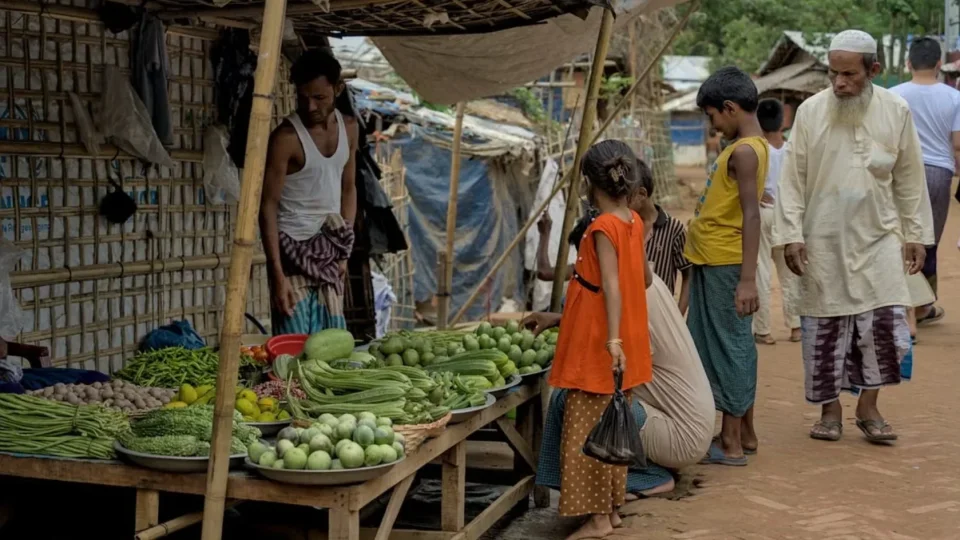
ICJ Rohingya Genocide Judgement: The United Kingdom (UK) has announced fresh sanctions against five senior Myanmar military leaders following a landmark ruling by the International Court of Justice (ICJ), which found that Myanmar had committed genocide against the Rohingya minority during the military crackdown in 2017. The ruling marks a historic moment in international law. For the first time in its history, the ICJ, the United Nations' highest court, has found a state responsible for committing genocide. It also puts renewed international pressure on Myanmar's military leadership, which has faced years of accusations of human rights abuses, violence and persecution against the country's ethnic minorities.
The UK's decision to impose sanctions comes as part of a wider response to the judgment. London has formally recognised the genocide and announced plans to restrict the supply of aviation fuel to Myanmar, which could affect the military's ability to carry out air strikes against civilians. The five military officers facing the latest sanctions are Myo Htut Hlaing, Myo Min Tun, Myat Thet Oo, Kyaw Soe and Kyaw Swar Oo. The measures include asset freezes, travel bans and restrictions on their ability to serve as company directors, reported BBC.
Also Read: ICJ's Rohingya Genocide Judgment Matters for India, and the World
Foreign Secretary Ed Miliband said the international response to genocide must go beyond statements of condemnation. "Our response to a crime as profoundly shocking as genocide must reflect our values and must be matched by clear action," he said. The announcement is significant not only because of the sanctions themselves but also because it gives renewed international recognition to the suffering of the Rohingya, a community that has spent years seeking justice, recognition and the possibility of returning to its homeland.
What did the International Court of Justice rule?
The ICJ delivered its final judgment on 19 November 2026 in a case brought by The Gambia against Myanmar in 2019. The Gambia had accused Myanmar of violating the 1948 Genocide Convention through its treatment of the Rohingya population. The case centred on whether the military's actions against the Rohingya amounted to genocide, rather than simply a counter-insurgency operation, as Myanmar had maintained.
The court concluded that Myanmar had committed genocide and acted with the intention of destroying a substantial part of the Rohingya population in northern Rakhine State. In its judgment, the court said that "genocidal intent is the only reasonable inference that can be drawn from the evidence". The verdict was delivered by a majority of nine judges to six. The court also found that Myanmar had violated several other obligations under the Genocide Convention, including its responsibility to prevent and punish genocide.
Also Read: ICJ Finds Myanmar Responsible for Genocide: How Far Is Home for Rohingya Muslims?
The judgment is particularly significant because proving genocide requires more than establishing that mass killings or other serious human rights violations took place. The prosecution must also establish a specific intention to destroy a national, ethnic, racial or religious group, in whole or in part. The court examined evidence of killings, sexual violence, attacks on children, the destruction of villages and the forced displacement of Rohingya communities. It also considered the long history of discrimination against the minority and the military's earlier operations against them.
Myanmar had argued that its 2017 military campaign was a security operation against an armed Rohingya group. However, the court found that this explanation could not account for the scale and nature of the violence, including attacks on civilians attempting to escape. The ruling is binding on Myanmar as a party to the case. However, the ICJ does not conduct criminal trials or sentence individual military officers. Its judgment establishes the state's responsibility under international law. Individual criminal responsibility requires separate legal proceedings.