Can Netanyahu’s Rotating PM Offer To Eisenkot Break Israel's Coalition Deadlock?
Netanyahu may propose coalition with Eisenkot ahead of December 6 deadline; Eisenkot assured signed coalition partners of not joining a unity government with Likud without consent.
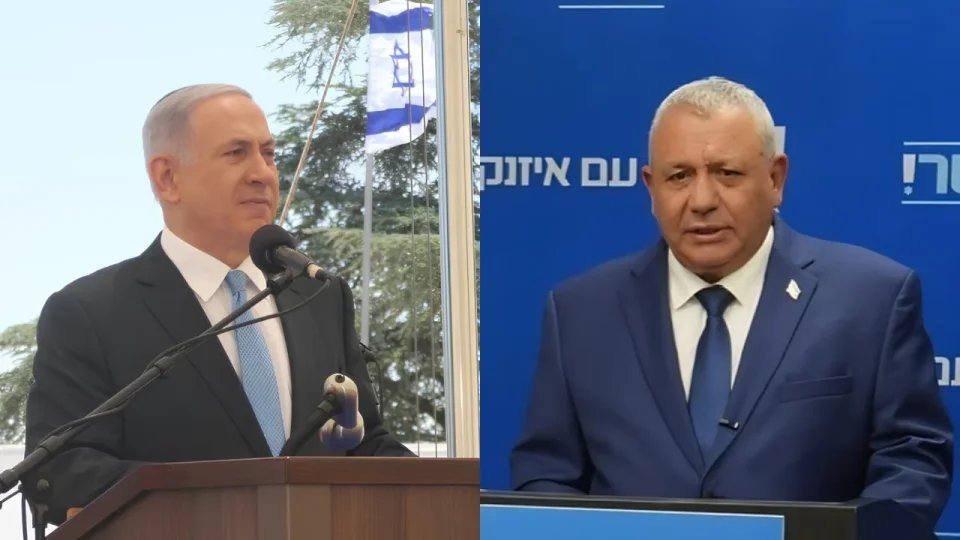
Gadi Eisenkot Benjamin Netanyahu rotational government offer: Israeli Prime Minister Benjamin Netanyahu is preparing to offer Yashar chairman Gadi Eisenkot the premiership first in a rotational government, with Netanyahu serving second, as coalition talks enter their final stretch ahead of a December 6 deadline for government formation, with the mandate tasked to Eisenkot on November 8. The proposal is reportedly expected to be conveyed through unofficial channels to preserve plausible deniability for Netanyahu’s Likud party, where officials remain divided over the terms.
Eisenkot has met the reported outreach with scepticism and is pressing ahead with plans to swear in an alternative coalition next week. He has assured his signed coalition partners, the Democrats chairman Yair Golan and Yisrael Beytenu leader Avigdor Liberman, that he will not enter a unity government with Likud without their consent. Liberman has warned that a late rotation pitch from Netanyahu is a tactical move designed to stall talks and push Israel toward another election, reflecting lingering distrust among opposition leaders after Netanyahu’s 2020 power-sharing pact with Benny Gantz collapsed before Gantz could take office, as per Times of Israel.
The 61-Seat Knesset Arithmetic
The political manoeuvring follows the October 27 Knesset election, which left neither camp with a governing majority in the 120-seat parliament. President Isaac Herzog granted Eisenkot a 28-day mandate to form a government, expiring on December 6 unless extended by 14 days to December 20.
The seat distribution leaves narrow and contentious paths to a 61-seat majority:
- Eisenkot’s Core alliance: Yashar (21 seats), The Democrats (8 seats), and Yisrael Beytenu (7 seats) hold 36 seats combined.
- The Bennett Swing Factor: Adding former prime minister Naftali Bennett’s B'Yachad (Together) party (12 seats) brings the bloc to 48 seats, still 13 short of a majority. Bennett has favoured exhausting unity talks with Likud (27 seats) before pursuing narrower alternatives.
- The Remaining Swing Blocs: Reaching 61 without Likud requires backing from either ultra-Orthodox factions, United Torah Judaism (7 seats) and Shas (6 seats), or Arab-majority parties, namely Ra'am (8 seats) and the Joint List (11 seats).
Conscription Disputes and Ra'am’s Political Pivot
Substantive policy clashes complicate both paths. In a post on X, formerly Twitter, on November 27, Eisenkot accused Likud of stalling unity negotiations over core demands, including a state commission of inquiry into the October 7 attacks and universal military conscription. Senior figures in Eisenkot’s camp have argued that joining a Likud-led framework alongside ultra-Orthodox parties would preserve military draft exemptions for ultra-Orthodox men rather than easing the burden on army reservists.
בשורה התחתונה: הם לא נוהגים ופועלים כמי שרוצים אחדות ושותפות, אלא כמי שנחושים למשוך זמן ככל הניתן עד לסיום תקופת המנדט, לפלג את גוש השינוי ולדרדר את ישראל לבחירות נוספות תחת הממשלה היוצאת. מצב שכל מפלגות השינוי והתיקון הגדירו כמסוכן לישראל. 4. לאלו שבאמת רוצים ממשלת אחדות. אני יודע שיש ציבור לא קטן בישראל שהיה רוצה לראות ממשלת אחדות - ממשלה המורכבת ממפלגות ציונות במלוא מובן המילה בלבד, שהיו מחוקקות יחד חוק שירות לכל נטול פשרות. אבל אסור לבלבל בין משאלת לב לבין המציאות כפי שהיא. הובהר לנו פעם אחר פעם שזוהי לא אופציה שנמצאת על הפרק או פתוחה לדיון. לכן, אני מבקש לפנות לציבור שרצה בממשלה כזו, רבים ממנו משרתים בסדיר ובמילואים, ולשקף לו את המצב הקיים: מבין החלופות, הליכוד, נכון לעכשיו, שם את החלופה הגרועה ביותר על השולחן - אותה הממשלה, אותם השותפים, בלי שינוי, בלי חוק גיוס. בקיצור, להוציא את הציבור המשרת קירח משני הצדדים. אני לא מתכוון לשתף פעולה עם הצגה שכזו. 5. אנחנו לקראת נקודת הכרעה: האם פני הליכוד למו״מ רציני ושותפות הכוללת גם פשרות, או המשך מראית עין ואסטרטגיית מריחת זמן. אם הליכוד רוצה לשנות את דרכיו באופן אמיתי וכן ונכון לקבל החלטות מנהיגותיות אמיצות - דלתי עדיין פתוחה וידי עדיין מושטת. זוהי אינה אמירה מן הפה לחוץ. אמרתי לנציגי הליכוד פעם אחר פעם: אל תטעו בי. מי שחושב שאני מחפש כיסא תמורת ויתור על הערכים והעקרונות לשמם נבחרתי, כנראה עוד לא מכיר אותי מספיק טוב. גם אחרי שנים רבות של עבודה משותפת. אין ערך בשותפות בתפקיד, אם אין שותפות בערכים ובדרך. האתגרים גדולים, מבית ומחוץ, אין לנו זמן למשוך ולמרוח. חובה להקים ממשלה חדשה בהקדם האפשרי. עבור כך אני פועל ועושה. עבור הציווי העליון "שנהיה ראויים". אמרתי, ואני חוזר שוב בכוונתי לממש את תקופת המנדט שניתן לי ולהקים ממשלה חדשה. נותרו לכך 8 ימים. בכוונתי להקים בהם ממשלה. אני מתחייב שגם לאחר הקמת הממשלה, אפעל להצטרפות והרחבה עבור כל מי שחפץ להחזיר את ישראל למסלול, לעבר יציבות וחוף מבטחים. שבת שלום לכולם.
— Gadi Eisenkot - גדי איזנקוט (@gadi_eisenkot)
Meanwhile, Ra'am chairman Mansour Abbas has reportedly signalled readiness to back an Eisenkot-led government’s security decisions over a four-year term in exchange for cabinet posts, for himself and party number two Yoav Segalovitz, alongside a multi-billion-shekel development and anti-crime plan for Arab communities. Channel 12 reported that Abbas is expected to publicly recognise Hamas as a terrorist organisation in an interview on November 28, prompting heightened personal security amid threats. Further, Far-right ministers Itamar Ben-Gvir and Bezalel Smotrich dismissed Abbas’s anticipated remarks as a political manoeuvre and vowed to oppose any coalition reliant on Ra'am.
In a case of Eisenkot failing to secure parliamentary confidence by his final December deadline, the mandate can pass to Netanyahu and subsequently to a Knesset majority, failing which Israel would head to new elections in April or May 2027.
Also Read: Nvidia’s China Server Probe Puts Former Sales Chief Jay Puri Under Scrutiny