Russia, China Disagree on Iran's Nuclear Doctrine: Araghchi
Iran's foreign minister says its official nuclear doctrine has not changed, even as a debate over reconsidering it grows at home. He did not say what Moscow and Beijing's differing views are, or whether either has tried to influence Tehran's policy.
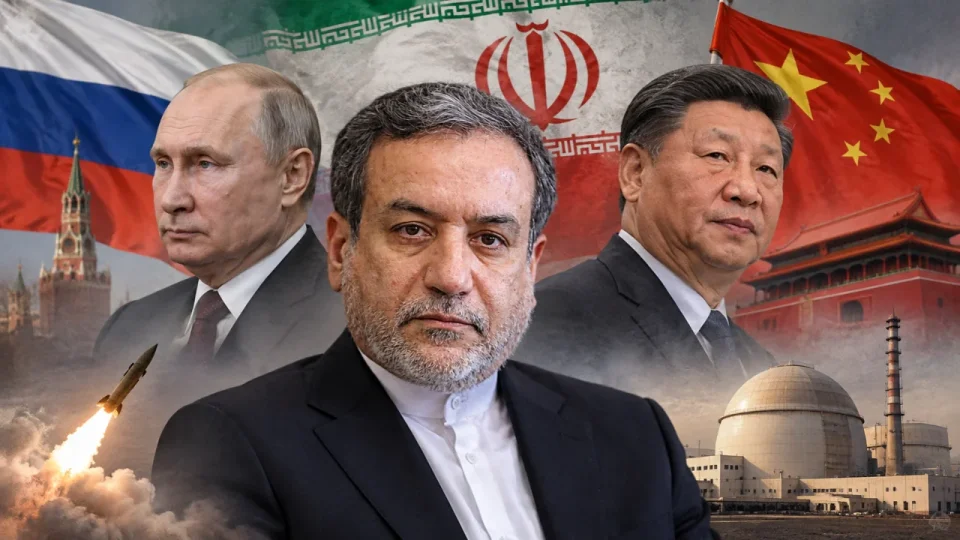
Russia China Differ Iran Nuclear Policy: Russia and China have backed Iran amid its conflict with the United States and Israel. However, remarks by Iranian Foreign Minister Abbas Araghchi offer a glimpse into a less straightforward aspect of their relationship: differences over Tehran's nuclear doctrine. Araghchi has said that Moscow and Beijing hold opposing views on whether Iran should change its nuclear doctrine, although he did not specify what those differences were. His comments come amid a debate within Iran over whether the country should reconsider its nuclear policy in response to growing security threats.
In an interview with the Iranian government-owned daily Iran, published on November 21, Araghchi said was asked whether Russia and China supported a change in Iran's nuclear doctrine or preferred Tehran to retain its existing policy. "What is important is that up to this point, our doctrine has not changed and our official positions remain the same," he said.
Araghchi acknowledged that different views on the issue existed within Iran and said there was no reason to prevent people from expressing them. He added that both sides had their own arguments, even though he did not necessarily agree with all of them. He said the debate should continue among the country's experts and political leadership, while stressing that Iran's official position had not changed.
Also Read: Nikhil Gupta Sentenced in US for Pannun Murder Plot: What US Says Happened
Why is Iran Debating a Change in its Nuclear Doctrine?
Iran has consistently maintained that its nuclear programme is intended for peaceful purposes and that it does not seek to develop nuclear weapons. Its official position has also been shaped by a religious ruling attributed to Supreme Leader Ayatollah Ali Khamenei against the development and use of nuclear weapons. However, the question of whether Tehran should reconsider this position has gained attention amid growing security concerns and military confrontations involving Israel and the United States.
Some Iranian political and security figures have argued that the country needs to reconsider its nuclear doctrine to strengthen deterrence against external threats. These arguments have gained traction following attacks on Iranian nuclear facilities and the wider military confrontation with Israel.
A change in doctrine would mark a significant shift in Iran's approach to national security, with consequences extending beyond its borders. It could also further complicate Tehran's relations with Western countries and increase concerns about nuclear proliferation in West Asia. For now, however, the discussion remains just that: a debate. Araghchi's remarks make clear that Iran has not officially changed its position.
What do Russia and China want from Iran?
Araghchi's comments also raise questions about the interests of Russia and China, two of Tehran's most important strategic partners. Both countries have maintained diplomatic and strategic ties with Iran and opposed several Western efforts to isolate it. However, their support for Tehran does not necessarily mean that they agree with every aspect of its security policy.
A change in Iran's nuclear doctrine could have wider consequences for regional security, potentially prompting other countries in West Asia to reconsider their own military and nuclear policies. It could also create new diplomatic complications for Moscow and Beijing. Araghchi did not explain the differences between the Russian and Chinese positions or indicate whether either country had sought to influence Tehran's policy. His remarks, therefore, do not establish that the two countries share a common position on the issue.
The larger question is whether Iran's growing security concerns will eventually push it towards a reassessment of its nuclear doctrine, despite the diplomatic and strategic considerations that may favour retaining the existing policy. For now, Tehran says its position remains unchanged. But the debate itself offers an indication of the difficult choices facing the country as it reassesses its security in an increasingly volatile region.