94% of Delhi-NCR Residents Fear Medical Bills From Toxic Air; 37% Plan to Move Out
A survey finds 72% of residents know someone with a severe pollution-linked illness, as Delhi records alarming PM2.5 levels and healthcare concerns deepen.
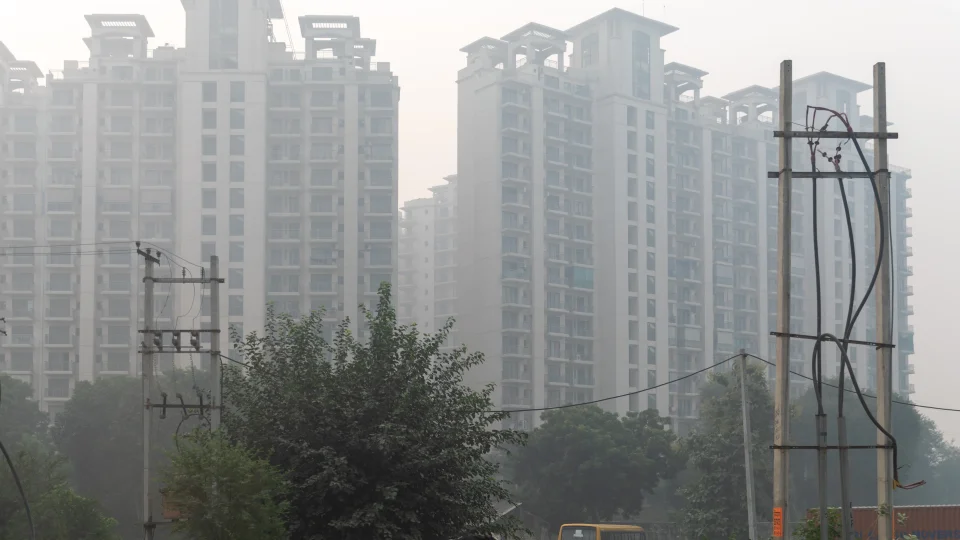
Delhi NCR Air Pollution Crisis: Delhi-NCR, a region that attracts people from across the country with the promise of jobs, opportunities and a better future, is increasingly becoming difficult to live in. From those born here to those who arrived with dreams of building a life in the national capital, residents are now waking up to another familiar sight: thick layers of smog. As air quality continues to deteriorate, pollution is affecting not just people's health but also their decisions about whether to stay or leave.
A new LocalCircles survey has found that 37% of Delhi-NCR residents plan to move out soon because of high air pollution. Even among those who intend to stay, concerns about the financial consequences are widespread, with 94% worried about affording healthcare for their families in the future. The survey received over 83,000 responses from residents of Delhi, Gurugram, Noida, Faridabad and Ghaziabad, examining the health conditions associated with prolonged exposure to polluted air, intentions to relocate and concerns over future medical expenses.
7 in 10 Know Someone With Severe Pollution-Linked Illness
How close is the health impact of pollution to people's everyday lives? The survey found that 72% of respondents knew at least one person in their close social network who had developed a severe health condition they attributed to prolonged exposure to polluted air. Of the 24,729 respondents to this question, 32% knew one affected person, while 17% knew two to three people. Another 17% reported four to six affected individuals, and 6% said they knew more than 10.
Only 17% said nobody in their close network had experienced such conditions. The illnesses listed included lung cancer, COPD, asthma, lung damage, heart failure, strokes, cognitive decline and reproductive and bone-related problems. These figures reflect respondents' reported associations, not independently verified medical diagnoses.
37% Plan to Leave Delhi-NCR
For many residents, the question is no longer just how to cope with another winter of polluted air, but whether staying in the region is worth the health risks. The survey found that 37% of respondents plan to move out of Delhi-NCR soon because of air pollution. Meanwhile, 58% said they needed to or would continue living in the region despite the deteriorating conditions, while 5% were undecided.
The figure marks a sharp increase from December 2025, when only 8% of respondents in an earlier LocalCircles survey said they were likely to move out.
94% Worried About Future Healthcare Costs
The financial burden of pollution is another major concern. As many as 94% of respondents expressed worry about affording healthcare for their families in the future if they continued living in Delhi-NCR. Of the 24,560 people who answered this question, 77% said they were very worried, while 17% were somewhat worried.
The concern is not without reason. A single pollution-triggered hospitalisation in a private hospital can cost between Rs 35,000 and Rs 80,000, with another Rs 6,000-Rs 10,000 potentially going towards tests, inhalers and medicines. Policybazaar data for 2025 also showed that pollution-linked ailments accounted for over 8% of hospitalisation claims in India, with Delhi recording the highest share. Children below 10 accounted for 43% of these claims.
Insurers are also reportedly considering premium hikes of 10-15% in highly polluted metropolitan areas, potentially adding to household expenses.
Delhi-NCR's Pollution Crisis Shows Little Respite
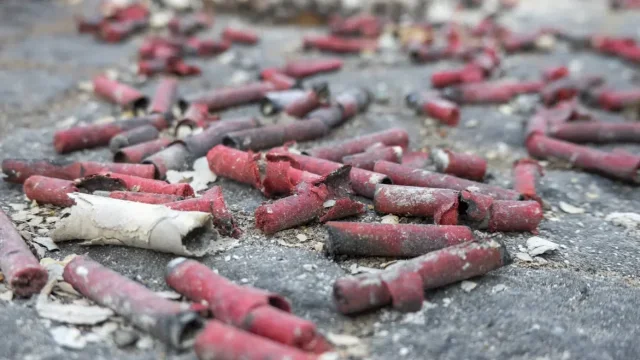
The findings come amid another month of deteriorating air quality across the national capital region. Delhi's AQI touched 376 on November 8, its highest Diwali reading since 2021. At Mundka, PM2.5 concentrations reached 3,744 micrograms per cubic metre at 2 am on November 9, more than 60 times India's prescribed standard.
The Commission for Air Quality Management (CAQM) invoked GRAP Stage III on November 6, after air quality had already deteriorated to severe levels, before withdrawing the restrictions on November 17 following a single day of improvement. Forecasts subsequently pointed towards a return to very poor air quality by November 20. The Supreme Court, which expressed concern over rising vehicular emissions during its November 6 hearing, is scheduled to take up the pollution matter again on November 23.
With more than half of Delhi's PM2.5 pollution reportedly coming from neighbouring NCR districts, tackling the crisis also requires coordinated action beyond the capital's boundaries.
For a region that has long represented opportunity and the possibility of a better future, the latest findings raise an uncomfortable question: how many people can afford to stay when the cost of breathing clean air is increasingly reflected in their health, savings and future plans?