A Decade After Brexit, Britain Continues to Grapple With Political and Economic Fallout
By Mahima Katal London, June 23: Ten years after the United Kingdom voted to leave the European Union, Brexit continues to cast a long shadow over British politics, reshaping governments, political parties, and public debate while leaving unresolved questions about the country's future direction. The June 23, 2016 referendum, in which 52 per cent of voters backed leaving the EU against 48 per cent who supported remaining, marked one of the most consequential political decisions in modern...
By Mahima Katal
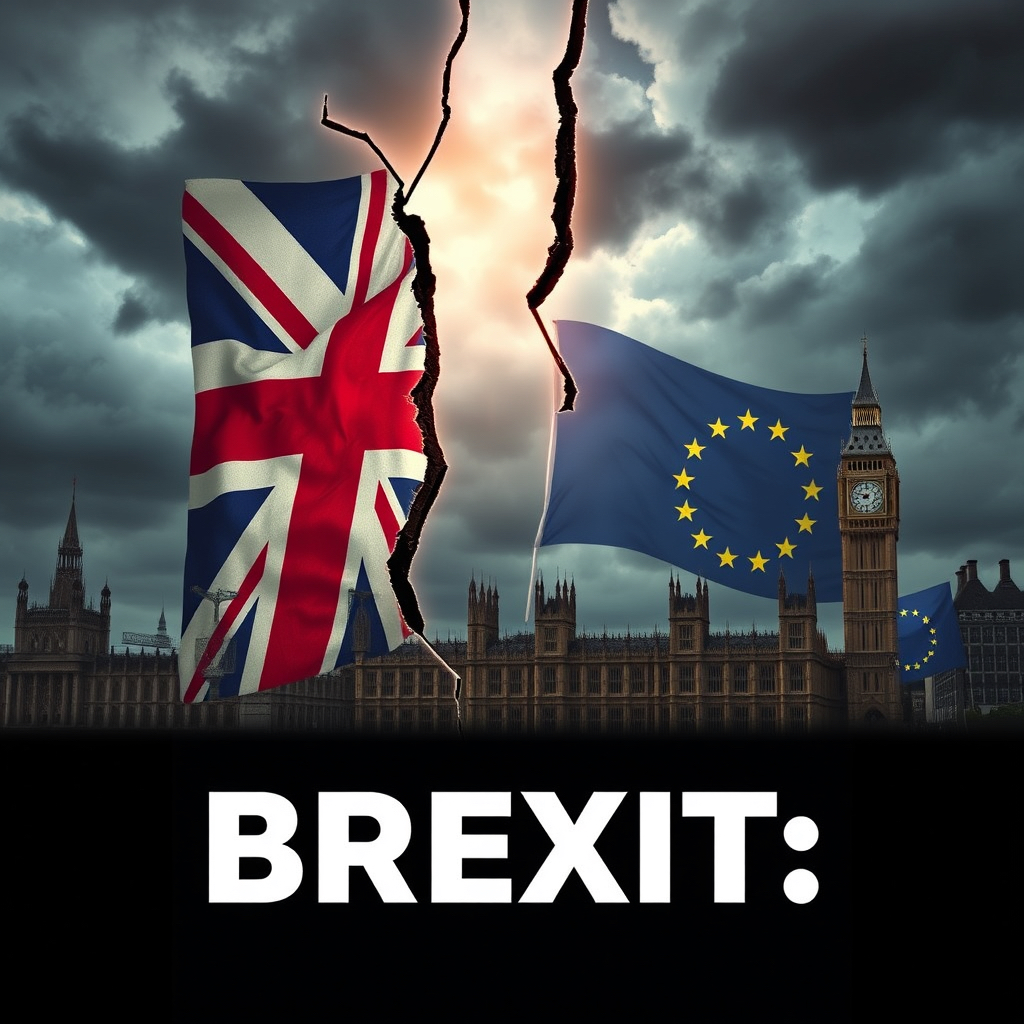
London, June 23: Ten years after the United Kingdom voted to leave the European Union, Brexit continues to cast a long shadow over British politics, reshaping governments, political parties, and public debate while leaving unresolved questions about the country's future direction.
The June 23, 2016 referendum, in which 52 per cent of voters backed leaving the EU against 48 per cent who supported remaining, marked one of the most consequential political decisions in modern British history. The vote triggered the resignation of then-Prime Minister David Cameron, who had campaigned to remain in the bloc despite calling the referendum.
Since then, Britain has seen a rapid turnover of leadership, with six prime ministers succeeding Cameron as successive governments struggled to navigate the political, economic, and social consequences of Brexit.
The latest political casualty is Prime Minister Keir Starmer, who announced his resignation this week after two years in office amid economic stagnation, governance challenges, and growing public dissatisfaction. Analysts argue that many of these issues are rooted, directly or indirectly, in the post-Brexit landscape.
Brexit's Lasting Political Impact
Brexit was sold to voters as an opportunity for Britain to regain control over its laws, borders, and economic policies. Supporters argued that leaving the EU would allow the country greater sovereignty and flexibility in shaping its future.
However, the years that followed exposed the complexity of disentangling Britain from a political and economic union it had been part of for more than four decades.
Lengthy and often contentious negotiations with Brussels delayed the UK's formal departure until January 2020, followed by an 11-month transition period. The process consumed successive governments and deepened divisions within both major political parties.
Former Prime Minister Theresa May resigned after failing to secure parliamentary approval for her Brexit deal. Her successor, Boris Johnson, eventually delivered Britain's departure from the EU but faced criticism over the nature of the trade agreement and broader governance issues before leaving office in 2022.
Subsequent leaders attempted to stabilize relations with the EU, but none fundamentally altered the post-Brexit settlement.
Economic Challenges and Public Frustration
Britain's economy has faced persistent challenges over the past decade. While economists point to multiple factors—including the COVID-19 pandemic, the Russia-Ukraine conflict, and broader global instability—Brexit has also been associated with increased trade barriers and disruptions affecting businesses that previously enjoyed frictionless access to European markets.
The promise that Brexit would generate significant economic benefits remains a subject of debate. Critics argue that many expectations raised during the referendum campaign have not materialized, while supporters maintain that the long-term benefits of regulatory and political independence have yet to be fully realized.
At the same time, public frustration with mainstream politics has grown. Trust in political institutions has declined, and voters have increasingly shifted support toward smaller parties outside the traditional Conservative-Labour framework.
Rise of Political Alternatives
One of the most significant political developments since Brexit has been the rise of alternative parties.
The Green Party has attracted voters seeking progressive policies, while Reform UK, led by veteran Brexit campaigner Nigel Farage, has capitalized on public concerns over immigration and dissatisfaction with established parties.
Farage remains one of the most influential figures associated with Brexit. Having campaigned strongly for the UK's withdrawal from the EU, he has continued to shape political discourse by arguing that Brexit's original goals have not been fully implemented.
Immigration Debate Remains Unresolved
Immigration was a central issue during the Brexit campaign, with many supporters arguing that leaving the EU would allow Britain to regain control over its borders.
Yet immigration remains one of the country's most contentious political topics. Migration figures rose significantly in the years following Brexit before declining more recently, but the issue continues to dominate public debate and electoral politics.
Political analysts note that concerns over immigration have evolved rather than disappeared, contributing to social tensions and shaping voter behavior across the political spectrum.
Growing Calls to Reconsider Brexit
Public opinion appears to be shifting gradually. Recent surveys suggest that a majority of Britons now believe the country should seek closer ties with the European Union, with some supporting eventual re-entry into the bloc.
Pro-European campaigners continue to organize demonstrations advocating renewed integration with Europe. However, major political parties remain cautious about reopening the Brexit debate, fearing it could reignite divisions that dominated British politics for years.
Even if a future government sought to rejoin the EU, experts note that the process would likely be lengthy and politically challenging.
An Unfinished Chapter
A decade after the referendum, Brexit remains one of the defining issues in British public life. While the dramatic negotiations and political battles have largely faded from daily headlines, the consequences continue to shape governance, economic policy, party politics, and public trust.
For many observers, Brexit is no longer a singular event but an ongoing process whose full impact is still unfolding. As Britain confronts economic uncertainty and political fragmentation, the debate over the country's relationship with Europe remains far from settled.