China Opposes ‘Exclusive Groupings’ as Quad Expands Indo-Pacific Cooperation
By Mahima Katal China on Tuesday reiterated its opposition to the Quad grouping following the latest meeting of its foreign ministers, where member nations announced fresh measures to strengthen maritime surveillance and infrastructure cooperation across the Indo-Pacific. Responding to questions on the outcomes of the Quad Foreign Ministers’ meeting held in Delhi, Chinese Foreign Ministry spokesperson Mao Ning said Beijing remains opposed to exclusive geopolitical blocs and stressed that...
By Mahima Katal
China on Tuesday reiterated its opposition to the Quad grouping following the latest meeting of its foreign ministers, where member nations announced fresh measures to strengthen maritime surveillance and infrastructure cooperation across the Indo-Pacific.
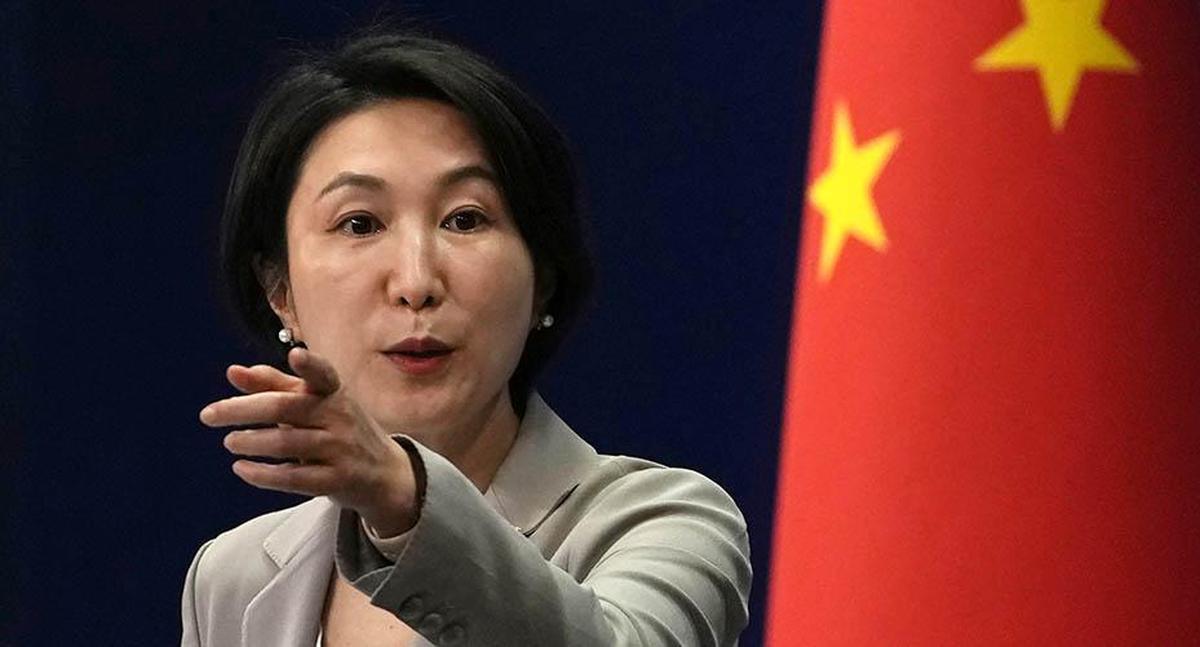
Responding to questions on the outcomes of the Quad Foreign Ministers’ meeting held in Delhi, Chinese Foreign Ministry spokesperson Mao Ning said Beijing remains opposed to exclusive geopolitical blocs and stressed that regional cooperation should not be directed against any country.
“China has stated its position on Quad on multiple occasions,” Mao said during a media briefing in Beijing. She added that cooperation between countries should contribute to regional peace, stability and prosperity rather than target a third party. “We oppose forming exclusive groupings or engaging in bloc confrontation,” she said.
The Quad — comprising India, United States, Japan and Australia — has increasingly positioned itself as a platform for strategic coordination in the Indo-Pacific, focusing on maritime security, resilient supply chains, emerging technologies and regional infrastructure.
At the foreign ministers’ meeting in Delhi, the grouping unveiled new initiatives aimed at strengthening maritime domain awareness and improving port infrastructure across the Indo-Pacific region. The announcements come amid continuing concerns among Quad members over China’s expanding military presence and strategic influence in regional waters.
The grouping also broadened its cooperation agenda to include critical minerals and energy security — sectors that have become increasingly significant amid global supply chain shifts and the transition to clean energy technologies.
China has consistently criticised the Quad, viewing it as a bloc-based arrangement that could challenge regional balance and strategic autonomy. Quad countries, however, have maintained that the grouping is intended to support a free, open and inclusive Indo-Pacific and is not directed against any particular nation.
The latest exchange reflects the continuing strategic contest shaping the Indo-Pacific, where security, trade and infrastructure partnerships are becoming increasingly central to regional diplomacy.