India-China Border Talks Mark New Step in Ties Reset
By Mahima Katal India and China held “constructive” and “forward-looking” discussions on the situation along the Line of Actual Control (LAC) in eastern Ladakh during a meeting of the Working Mechanism for Consultation and Coordination (WMCC) in Beijing on Wednesday. According to the Ministry of External Affairs (MEA), both sides reviewed the border situation and expressed satisfaction over the progress made in maintaining peace and tranquillity in the border areas, which has contributed to...
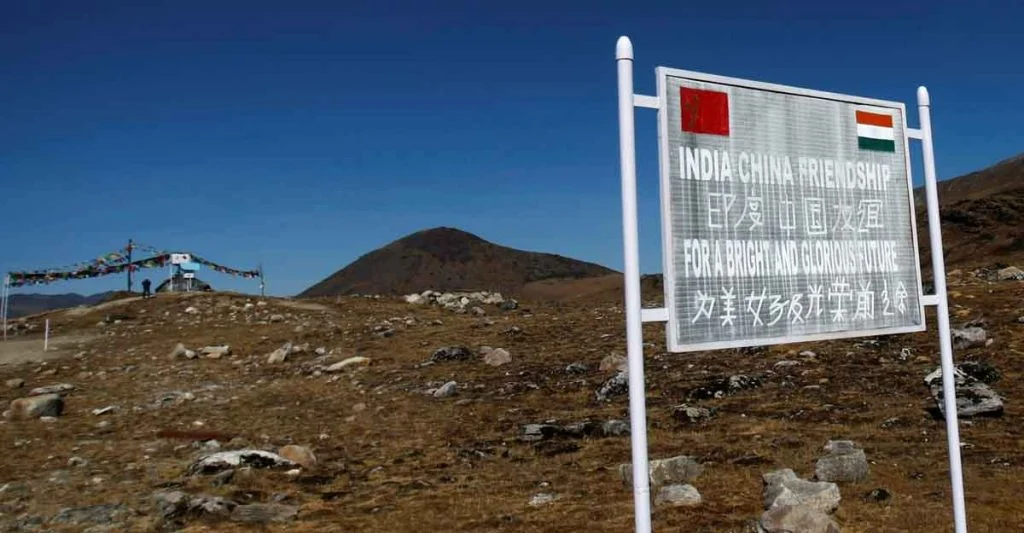
By Mahima Katal India and China held “constructive” and “forward-looking” discussions on the situation along the Line of Actual Control (LAC) in eastern Ladakh during a meeting of the Working Mechanism for Consultation and Coordination (WMCC) in Beijing on Wednesday.
According to the Ministry of External Affairs (MEA), both sides reviewed the border situation and expressed satisfaction over the progress made in maintaining peace and tranquillity in the border areas, which has contributed to the gradual normalisation of bilateral relations.
“The discussions were constructive and forward-looking,” the MEA said on Thursday.
The talks come amid ongoing efforts by New Delhi and Beijing to rebuild ties that deteriorated sharply after the 2020 Galwan Valley clashes and the prolonged military standoff along the LAC.
During the WMCC meeting, the two sides discussed issues related to border management, delimitation, mechanism-building, and cross-border cooperation. They also agreed to continue preparations for the next round of Special Representatives (SR) talks, scheduled to be held in China.
India reiterated the need for an early meeting of the expert-level mechanism on trans-border rivers, the MEA said.
Both countries also agreed to maintain regular diplomatic and military-level communication through existing mechanisms, including those established after the 24th Special Representatives dialogue.
The Indian delegation was led by Sujit Ghosh, Joint Secretary (East Asia) in the MEA, while the Chinese side was headed by Hou Yanqi, Director General of the Boundary and Oceanic Affairs Department of China’s Foreign Ministry.
During his visit, Ghosh also met Liu Jinsong, Director General of the Department of Asian Affairs, and called on Chinese Assistant Foreign Minister Hong Lei.
The latest round of talks took place as both countries continue efforts to stabilise relations following troop disengagement at several friction points in eastern Ladakh.
In October 2024, India and China finalised disengagement arrangements in Depsang and Demchok, the last remaining friction areas along the LAC in eastern Ladakh.
Subsequently, Prime Minister Narendra Modi and Chinese President Xi Jinping met in Kazan, where both sides agreed on measures to improve bilateral ties.
Later, during the SCO Summit in Tianjin in August last year, Modi and Xi held extensive discussions, with the Indian Prime Minister reiterating that India’s relationship with China should move forward on the basis of mutual trust, respect, and sensitivity.