


India Meets Record Power Demand, But a Bigger Question Emerges: Who Can Afford to Stay Cool?
By Mahima Katal
New Delhi, May 22: India’s electricity demand climbed to an all-time high of 265.44 gigawatts (GW) on Wednesday, marking the third consecutive day of record-breaking consumption as an intense heatwave pushed households and businesses to rely heavily on air-conditioners, coolers, and fans.
According to the Ministry of Power, the peak demand was recorded at 3:45 PM during solar hours and was fully met, surpassing Tuesday’s previous high of 260.45 GW. Earlier in the week, demand had reached 257.37 GW on Monday, reflecting a rapid surge in electricity usage amid rising temperatures.
But behind the record lies a larger story, one that goes beyond numbers on a grid.
India’s growing electricity demand is increasingly becoming a climate story and, for many households, a story of inequality. While record demand reflects the country’s ability to consume and distribute more power, it also raises questions about who has access to cooling and who continues to endure extreme heat without relief.
In urban centres, middle- and upper-income households are turning to air-conditioners and other cooling appliances to cope with rising temperatures. But in many low-income neighbourhoods and informal settlements, cooling remains limited to fans or unavailable during periods of financial strain and irregular supply. As temperatures rise, the ability to stay cool is becoming tied not only to infrastructure but also to income.
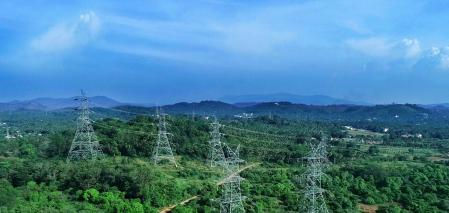
The surge in demand also places renewed focus on the resilience of India’s power infrastructure. Consecutive record peaks test the capacity of generation units, transmission networks, and distribution companies, especially as heatwaves become more frequent and prolonged. While authorities successfully met Wednesday’s demand, experts have repeatedly warned that future summers could push consumption even higher.
The record was achieved during solar hours, drawing attention to the growing role renewable energy may play in stabilising supply during daytime peaks. However, energy experts note that the bigger challenge remains maintaining reliability after sunset, when demand often stays elevated but solar generation falls.
The moment also revives a broader policy debate: should access to cooling during extreme heat be treated as a public welfare issue rather than a private household expense? As climate conditions intensify, governments may face increasing pressure to strengthen heat action plans, expand energy access, and ensure that rising electricity demand does not deepen social inequalities.
India may have successfully met a historic power demand milestone, but the larger test lies ahead: building an energy system that remains reliable, affordable, and accessible in an era of extreme heat.


