Russia bans aviation fuel export till November; but there is an exemption!
By: Pranjal Gupta New Delhi, June 2: Russia has announced a temporary ban on the export of aviation fuel to ensure a stable domestic supply. The restriction was issued on Monday and will be in effect till November 30. Kremlin’s energy sector is under pressure due to Ukrainian strikes on its oil refineries across the country. The heavy attacks led to gasoline shortages in some places. However, Russia has exempted some countries under active intergovernmental agreements. In an official...
By: Pranjal Gupta
New Delhi, June 2: Russia has announced a temporary ban on the export of aviation fuel to ensure a stable domestic supply. The restriction was issued on Monday and will be in effect till November 30. Kremlin’s energy sector is under pressure due to Ukrainian strikes on its oil refineries across the country. The heavy attacks led to gasoline shortages in some places.
However, Russia has exempted some countries under active intergovernmental agreements.
In an official statement, the Russian government said, “The government continues to work to maintain a reliable and uninterrupted supply of fuel to the domestic market. The new regulation introduces a temporary ban on the export of jet fuel from Russia, including that purchased on the exchange. The restriction will be in effect until November 30, 2026.”
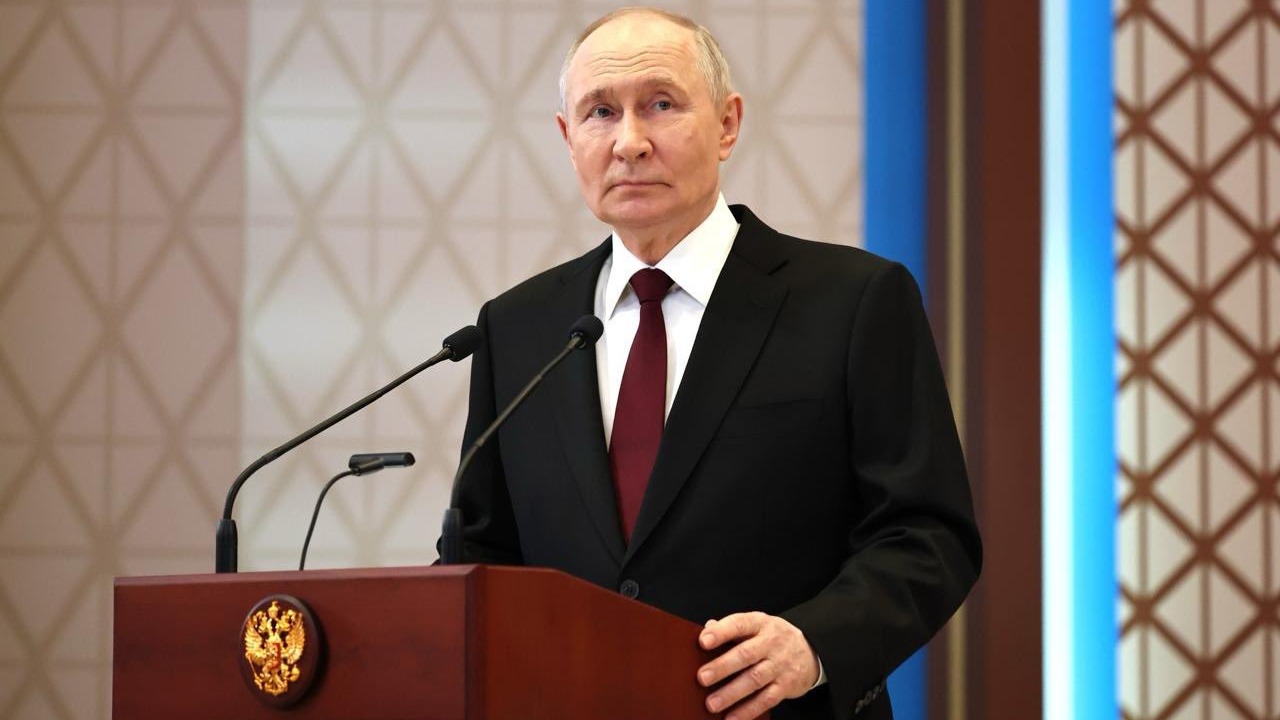
Vladmir Putin (File Image, Credits: X/MFA Russia)
Kremlin’s move to stop exports is not sudden, as media reports had already predicted that Moscow would restrict diesel and jet fuel sales. Before the official decree, Russia's Deputy Prime Minister, Alexander Novak, held a meeting where oil companies were officially advised to cut back on foreign sales and focus entirely on keeping fuel inside the country, Bloomberg reported.
Why This Is Happening
Ukraine has aggressively targeted Russian oil refineries and pipeline facilities through drone attacks over recent months, which badly affected Russia’s ability to process oil into useable fuel. This raised alarms about keeping enough supply at home during high-demand seasons.
How It Will Impact Global Market
Because Russia is one of the largest exporters of refined petroleum products in the world, this shutdown matters globally. The country usually sells a massive share of its diesel and aviation fuel to overseas markets. Energy analysts have already warned that cutting off these Russian supplies will tighten the global market, which will likely push international fuel prices and flight costs upward.
The Russian Government’s Official Stance
Despite the international impact, Russian authorities have repeatedly stated that keeping fuel flowing uninterrupted inside their own borders is their absolute priority. Following his recent strategy meeting, Deputy Prime Minister Novak emphasized that government agencies and energy companies must stay in constant coordination to monitor the domestic market. In plain terms, he stated that they must watch the situation daily and be ready to implement even more response measures quickly if the domestic fuel supply tightens further.