Russia to Attack NATO, Europe in 2030? UK PM Starmer Cites Intelligence Reports
Intelligence Reports suggested that Russia may attack Europe and NATO by 2030.
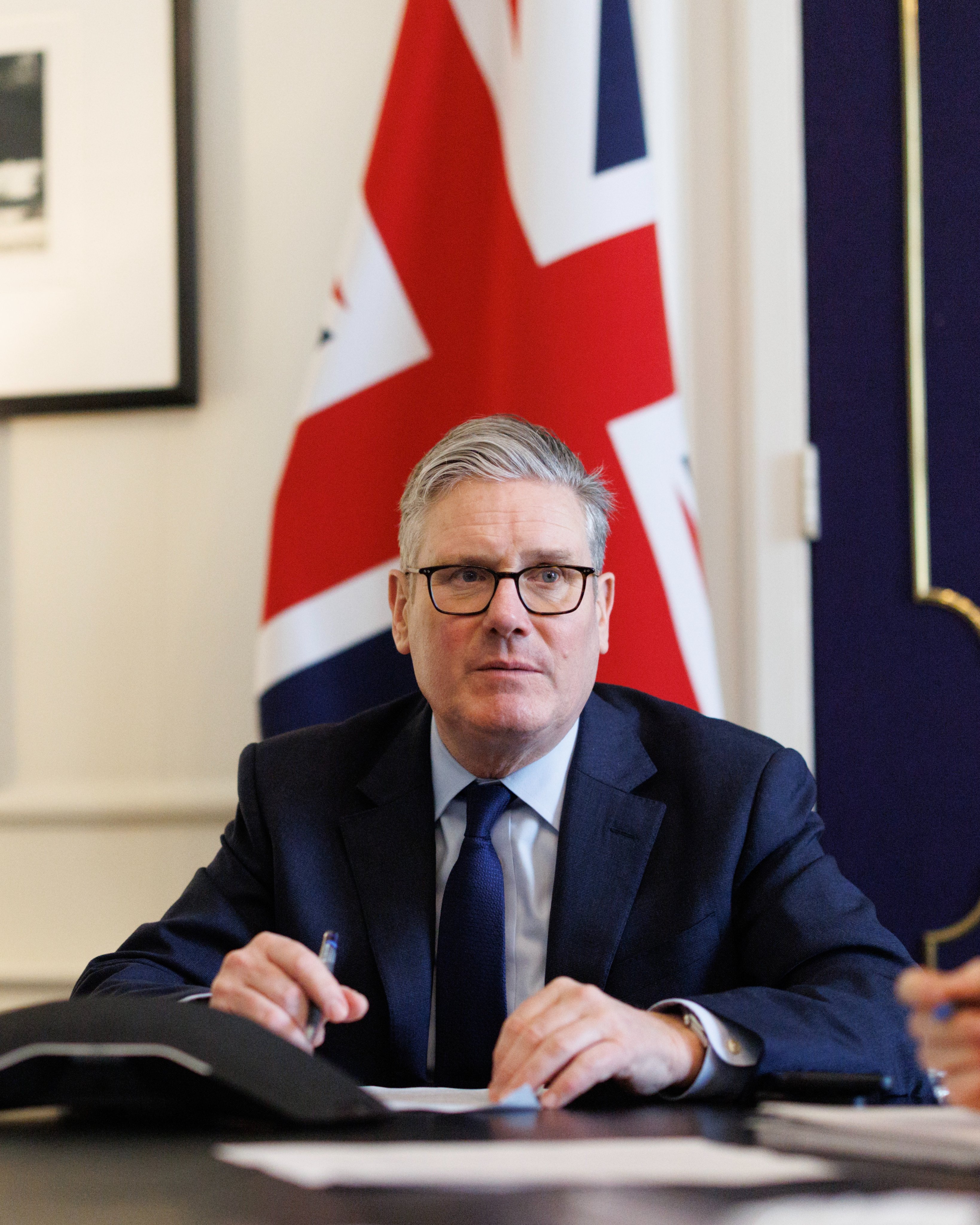
UK Defence Secretary and Armed Forces Minister resign over Prime Minister Starmer failing to ensure adequate defence spending even though he publicly acknowledged intelligence inputs over impending attack by Russia on NATO
By Pranjal Gupta
New Delhi, June 13: UK Prime Minister Keir Starmer is facing mounting pressure after two senior defence figures resigned over what they described as inadequate military spending at a time of growing security threats across Europe. Defence Secretary John Healey and Armed Forces Minister Al Carns announced their departures, arguing that the government's new Defence Investment Plan (DIP) "falls well short of what is required" to protect Britain in an increasingly dangerous world.
The resignations come just days after Starmer warned that Russia could be in a position to attack NATO by 2030, citing assessments from British intelligence and other alliance members.
"It is our intelligence assessment, and the assessment of other countries in NATO, that there could be an attack by Russia on NATO as soon as 2030," Prime Minister Starmer said in a speech at a British defence company last week.
UK Prime Minister Keir Starmer (Image Source:X/Keir Starmer Official Account)
In his resignation letter, Healey confronted the Prime Minister saying, 'you know what defence needs'. "You spelled out the threats last week: 'It is our intelligence assessment, and the assessment of other countries in NATO, that there could be an attack by Russia on NATO as soon as 2030'," the resignation letter, which is now public, reads.
Healey also pointed to a growing list of security challenges facing Britain, including tensions in the Middle East, increased Russian military activity near NATO territory, ongoing fighting in Ukraine, and Britain's expanding commitments within the alliance.
"Conflict in the Middle East, with the UK now leading the multinational Strait of Hormuz military mission; High North security, with the UK leading NATO's Arctic Sentry mission; increased Russian activity towards the UK and NATO nations; and continued attacks in Ukraine all underline the need for stronger defence capabilities," he wrote.
Healey charged the Prime Minister with haing failed to "commit the resources that tge nation needs to defend the country at this time of rising tgreats".
Hours after Healey's departure, Armed Forces Minister Al Carns also submitted his resignation.
In a strongly worded letter, Carns argued that Britain's military planning is failing to keep pace with the changing nature of modern warfare. "We ask soldiers to fight for this country. In return, we owe them the kit to do the joband the loyalty to stand by themwhen it's done. We are failingon both," he said.
"I have watched, as a Marine, what war looks like now. I have spoken to those who have seen it up close in Ukraine. The lesson is uncomfortable and unambiguous," Carns wrote.
"The character of conflict is changing faster than our procurement system can keep up with. We are still purchasing capabilities suited to the last war while our adversaries prepare for the next. Platforms costing billions can now be defeated by systems costing thousands. Any serious Defence Investment Plan must begin with that reality."
The resignations highlight a growing dilemma for Starmer. While defence experts and NATO allies are calling for increased military spending, Britain's sluggish economy has made it difficult for the government to fund a significant boost without raising taxes, cutting domestic programmes or increasing borrowing.
In a letter to Healey, Starmer defended his record, arguing that his government had already increased defence spending after years of underinvestment under previous Conservative administrations. He promised further investment in the defence review expected to be released soon but provided no specific details.
The pressure is not only coming from within Britain. US President Donald Trump has repeatedly criticised European allies, including the UK, for failing to spend enough on defence.
A Downing Street spokesperson said the government's new Defence Investment Plan will be unveiled before a NATO summit scheduled for early July.
Following the resignations, Dan Jarvis has been appointed as Britain's new Defence Secretary and will be tasked with steering the government's defence agenda amid growing geopolitical tensions and mounting pressure from allies to increase military spending.