US, Iran Reach Tentative Deal to Extend Ceasefire, Begin Nuclear Talks
By Mahima Katal US and Iranian negotiators have reached a tentative agreement to extend the ceasefire in the three-month-long conflict by 60 days and initiate negotiations on Iran’s nuclear programme, according to a US official familiar with the matter. Iran has not officially confirmed the agreement, and the official said US President Donald Trump is yet to approve the proposal. The proposed memorandum of understanding comes amid growing concerns over the fragile ceasefire, which appeared...
By Mahima Katal US and Iranian negotiators have reached a tentative agreement to extend the ceasefire in the three-month-long conflict by 60 days and initiate negotiations on Iran’s nuclear programme, according to a US official familiar with the matter.
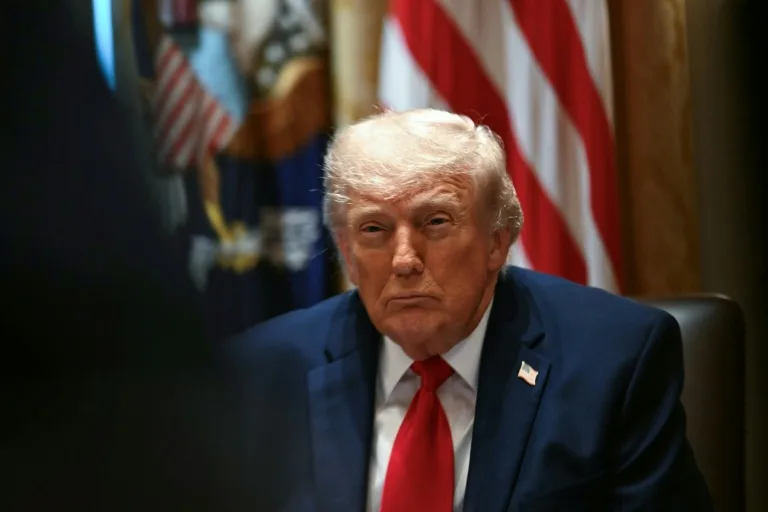
Iran has not officially confirmed the agreement, and the official said US President Donald Trump is yet to approve the proposal.
The proposed memorandum of understanding comes amid growing concerns over the fragile ceasefire, which appeared under strain following fresh military exchanges earlier this week. The latest escalation occurred less than a day ago when Kuwait intercepted missiles allegedly fired from Iran, according to US Central Command.
Under the tentative framework, Iran would not impose tolls on the Strait of Hormuz and would remove all naval mines from the strategic waterway within 30 days, the official said. In return, the US would gradually ease its naval blockade around the strait, a critical route through which nearly one-fifth of globally traded oil and natural gas passes.
The prolonged disruption in the waterway has sharply increased global fuel prices.
The agreement would also include limited sanctions relief, enabling Iran to increase its oil exports.
One of the primary issues expected to be discussed during the proposed 60-day truce is the future of Iran’s stockpile of highly enriched uranium. According to the International Atomic Energy Agency, Iran possesses approximately 440.9 kilograms of uranium enriched up to 60 per cent purity, close to weapons-grade levels.
The uranium stockpile is believed to be stored beneath three nuclear sites that suffered extensive damage during US airstrikes last year.
Experts monitoring the negotiations have suggested that Iran could consider transferring the enriched uranium to a third country such as China or Russia, both close allies of Tehran, as part of a broader agreement.
However, Trump indicated on Wednesday that he was not comfortable with such an arrangement.
A second US official, speaking anonymously because of the sensitive diplomatic discussions, said negotiators had broadly agreed on the framework, but cautioned that the deal remains uncertain until Trump formally approves it.
The news outlet Axios first reported details of the emerging agreement.
Meanwhile, tensions in the region remain high following a reported Iranian attack on Kuwait. Tehran said it retaliated against earlier US strikes by targeting an American military base in a Gulf country, though it did not identify the location.
Kuwait condemned the incident as “blatant aggression,” while US Central Command described the attack as a serious violation of the ceasefire.
The developments came after US officials stated late Wednesday that American forces had carried out additional strikes on Iranian targets. According to Washington, US forces shot down four attack drones near the Strait of Hormuz and struck a drone-control station in Bandar Abbas that was preparing to launch another drone.
Both Washington and Tehran have repeatedly accused each other of violating the ceasefire over the past several weeks, though neither side has returned to full-scale conflict and diplomatic efforts have continued.
Earlier this week, the Pentagon said US forces conducted “self-defence” strikes against Iranian missile launch sites and vessels allegedly involved in laying naval mines in southern Iran.
Iran’s Revolutionary Guard later acknowledged attacks around Bandar Abbas International Airport and said it had retaliated against the base from which the assaults were launched, though it did not specify the target.
Kuwait’s military said its air-defence systems intercepted incoming missiles and drones on Thursday but did not disclose specific targets. Kuwait hosts major US military facilities, including the forward headquarters of US Army Central.
Regional tensions have also intensified over Israel’s continued military operations in Lebanon against the Iran-backed Hezbollah group. Iran has reportedly insisted that any broader agreement must include an end to Israeli strikes in Lebanon.
On Thursday, Israeli airstrikes targeted Beirut’s southern suburbs and the southern coastal city of Tyre, killing at least 14 people across southern Lebanon.