US Judge Seeks Explanation for DOJ's Bid to Drop Criminal Charges Against Gautam Adani
By Mahima Katal New Delhi, June 27: A federal judge in the United States has asked the Department of Justice (DOJ) to explain its decision to drop criminal charges against Indian billionaire Gautam Adani, declining to immediately dismiss the case despite a request from Adani's legal team. U.S. District Judge Nicholas Garaufis, sitting in Brooklyn, directed the Justice Department to submit a detailed explanation by July 13, stating that its earlier filing announcing the decision to withdraw...
By Mahima Katal
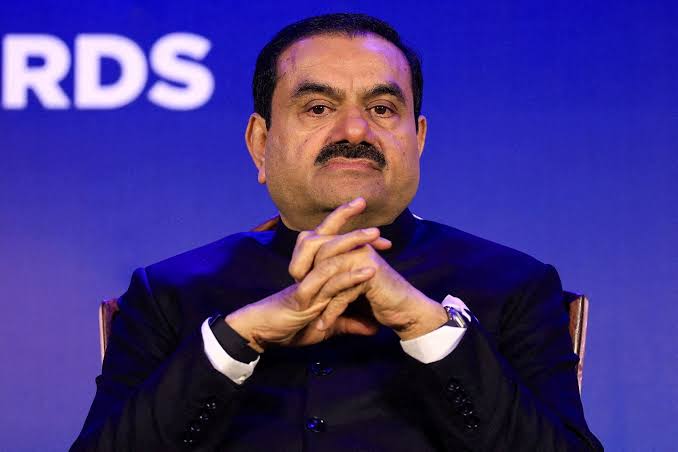
New Delhi, June 27: A federal judge in the United States has asked the Department of Justice (DOJ) to explain its decision to drop criminal charges against Indian billionaire Gautam Adani, declining to immediately dismiss the case despite a request from Adani's legal team.
U.S. District Judge Nicholas Garaufis, sitting in Brooklyn, directed the Justice Department to submit a detailed explanation by July 13, stating that its earlier filing announcing the decision to withdraw the prosecution did not provide sufficient reasons for the court to approve the dismissal.
"The Government's terse, bland and conclusory statement affords the court neither a sufficient basis to reach any conclusion, nor the opportunity to conduct any analysis," the judge said in his order.
The criminal case, filed in 2024 during the final months of former President Joe Biden's administration, accused Adani of securities fraud and wire fraud in connection with an alleged scheme to pay bribes to Indian government officials to secure approvals for a solar energy project. Prosecutors also alleged that investors in the United States were misled about the Adani Group's anti-corruption practices.
In May this year, the Justice Department informed the court that it had decided, "in its prosecutorial discretion," not to devote further resources to pursuing the criminal charges. However, legal experts note that criminal charges remain pending until the court formally dismisses them.
Adani Group has consistently denied all allegations of wrongdoing. Gautam Adani has not appeared before the U.S. court in connection with the case.
Adani's counsel, Robert Giuffra, urged the court to dismiss the indictment, arguing that the alleged conduct falls outside the jurisdiction of U.S. criminal law and that prosecutors would be unable to prove the alleged bribery that purportedly occurred in India.
According to the defence, lawyers representing Adani and his co-defendants held multiple meetings with Justice Department officials and submitted nearly 500 pages of legal and factual material challenging the prosecution's case.
"The DOJ's decision reflects its careful consideration of the indictment's legal and factual weaknesses," Giuffra wrote in a letter to the court.
Separately, the U.S. Securities and Exchange Commission (SEC) has resolved its related civil enforcement action through a settlement under which Gautam Adani will pay $6 million, while his nephew, Sagar Adani, will pay $12 million. In a separate matter, Adani Enterprises Ltd. has also agreed to pay $275 million to the U.S. Treasury Department to settle alleged sanctions-related violations involving Iran.
The case has drawn attention as one of several high-profile white-collar prosecutions that the Justice Department has sought to discontinue during President Donald Trump's second term, with observers noting that courts generally have limited authority to compel prosecutors to pursue cases they no longer wish to prosecute.