From Snubbing Indian Diplomats to Meeting Modi: Balen Shah's India U-Turn
Eight months after keeping Indian diplomats at a distance, Nepal PM Balen Shah is in New Delhi for his first bilateral foreign visit, with talks with PM Narendra Modi on November 23. A Maithili painting gift, flood relief, an Indian Army chief visit and Foreign Secretary Vikram Misri's November trip eased the way. The border dispute over Lipulekh remains unresolved.
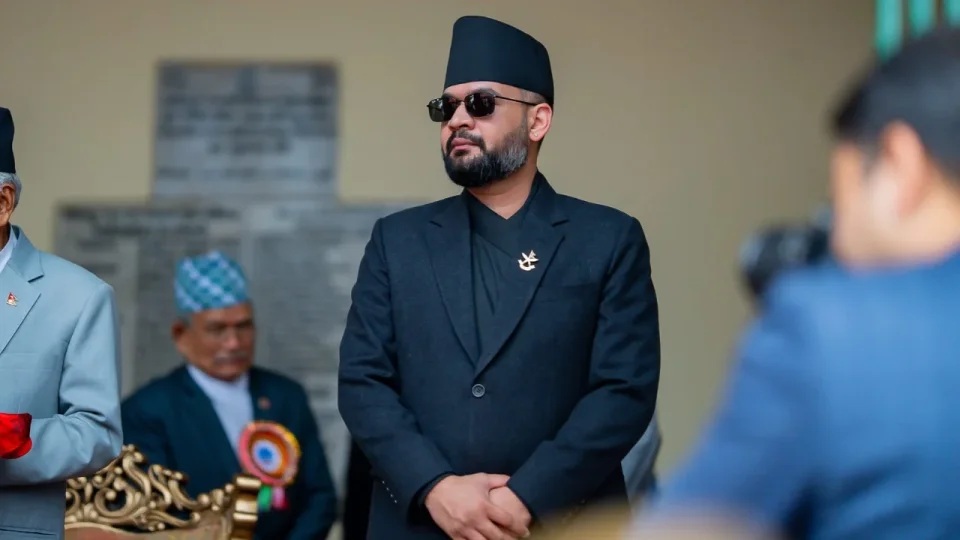
Nepal PM Modi Meeting Today: When Balendra Shah became Nepal's Prime Minister in March 2026, his early approach towards India suggested that New Delhi would have to deal with a different kind of leadership in Kathmandu. The 36-year-old leader kept foreign officials at a distance, declined meetings with Indian representatives and maintained a firm position on Nepal's territorial claims.
Eight months later, Shah is visiting New Delhi for his first bilateral foreign visit, with a meeting with Prime Minister Narendra Modi scheduled for November 23. The shift has followed a series of diplomatic encounters, cultural outreach and humanitarian cooperation. It also reflects the economic realities that make India an important partner for landlocked Nepal.
Also Read: Kashmir's Last Local Terrorist Is Dead. What It Meant to Live with Militants Next Door
From Diplomatic Snubs to Territorial Assertions
One of the first signs of friction came when Shah's administration declined to schedule a meeting with Indian Foreign Secretary Vikram Misri during his proposed visit to Kathmandu in May. According to The Indian Express (November 22), Shah had also restricted individual meetings with foreign ambassadors and officials below the level of heads of government or ministers. The policy extended beyond India, reflecting his administration's stated preference for prioritising domestic governance over conventional diplomatic engagements.
Relations were further tested by the dispute over Lipulekh, Kalapani and Limpiyadhura. Nepal objected to India and China's move to resume the Kailash Mansarovar pilgrimage route through Lipulekh, which Kathmandu claims as its territory. Shah's government maintained Nepal's territorial position, underscoring that diplomatic engagement would not mean compromising on sovereignty.
A Cultural Gesture Opens the Door
The first visible thaw came on August 10, when Indian Ambassador to Nepal Naveen Srivastava met Shah in Kathmandu and presented him with a Maithili painting. In its November 22 report, The Indian Express described the gesture as a catalyst for improved relations. The painting drew on Shah's cultural roots in Nepal's Madhesh region, which shares linguistic and cultural connections with adjoining parts of India. The meeting was significant because it was the first standalone interaction between Shah and the Indian ambassador since he took office.
A week later, Indian Army Chief General Dhiraj Seth visited Nepal and met Shah on August 18. The engagement helped strengthen military ties, traditionally an important pillar of India-Nepal relations.
Flood Assistance Brings Practical Cooperation
India's assistance following devastating floods in Nepal in August provided another opportunity for cooperation. New Delhi sent relief material, medical and rescue personnel and equipment, including Bailey bridges, to support recovery efforts. According to The Indian Express, Shah subsequently acknowledged India's assistance and thanked Modi for his support following the disaster. The episode gave bilateral engagement a practical dimension, shifting attention from diplomatic disagreements to immediate humanitarian needs.
From Refusing Misri to Welcoming Him
The clearest indication of Shah's changing approach came in November. Indian Foreign Secretary Vikram Misri visited Nepal on November 4–5 and met the Prime Minister, the same official whose proposed May visit had failed to secure an appointment. A November 5 joint press release by Nepal's Ministry of Foreign Affairs confirmed the meeting. The discussions covered bilateral cooperation and preparations for Shah's visit to India. Nepal also acknowledged India's humanitarian assistance following the floods.
Also Read: Bromate to PAHs: What Went Wrong with Bisleri's Packaged Drinking Water?
Shah's subsequent decision to travel to New Delhi marked a significant departure from the diplomatic distance of his initial months in office.
Has Balen Changed, or Has India Changed its Approach?
The sequence suggests a shift from symbolic resistance towards diplomatic pragmatism, but it does not necessarily indicate that Shah has abandoned his nationalist position. Nepal continues to depend heavily on India for trade, transit, energy and infrastructure cooperation. Prolonged diplomatic friction would carry economic costs for Kathmandu.
New Delhi, meanwhile, appears to have adapted its approach. Rather than publicly pressuring Shah, it relied on diplomatic channels, cultural outreach, military engagement and humanitarian assistance. India pursued quiet diplomacy while giving Shah political space to engage on his own terms.
The November 23 meeting with Modi will test whether this renewed warmth can translate into concrete cooperation. For Shah, the challenge is to strengthen ties with Nepal's largest neighbour without appearing to compromise the country's strategic independence.