Maharashtra UCC: The Transgender Concerns That May Not Make It Into the Draft
Maharashtra UCC Transgender Rights: Queer and trans groups at the Navi Mumbai UCC consultation asked for civil partnerships and legal status for chosen families.
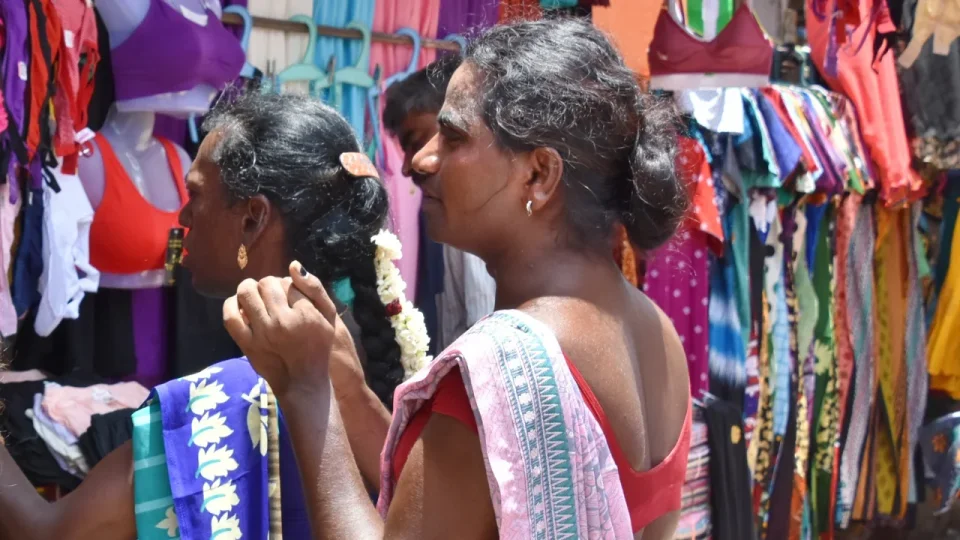
Maharashtra UCC Transgender Rights: At a public consultation on the proposed Uniform Civil Code (UCC) in Navi Mumbai on November 21, Chayanika Shah, representing the queer feminist collective Hasratein-e-Zindagi-Mamooli, called for civil partnerships between two adults and legal recognition of chosen families. She also sought legal status for nominated representatives, highlighting the difficulties transgender people face when they depend on people outside their natal families for care and support, The Indian Express reported.
The demands raise three important questions for the Maharashtra government's UCC committee: Can transgender people access inheritance rights without facing discrimination over their gender identity? Can their relationships receive legal recognition? And can they pass on their property to people who actually care for them, even if they are not biological relatives?
Inheritance: When Gender Identity Complicates Family Rights
Inheritance is among the most significant concerns. A 2023 research paper, Inheritance Rights of Transgender Persons in India, by Karan Gulati of the Vidhi Centre for Legal Policy and Tushar Anand of the National Institute of Public Finance and Policy (NIPFP), examines how India's inheritance laws deal with transgender identities.
Also Read: COP31 Drops Fossil Fuel Language, as India Wanted, and Climate Finance Goes with It
The researchers found that inheritance laws largely operate on a binary understanding of gender and do not adequately account for transgender people or changes in gender identity. This can create difficulties in identifying legal successors, particularly when individuals lack updated identity documents, have been unable to marry or cannot establish adoption relationships.
Consequently, transgender people can face difficulties establishing their inheritance claims within their natal families. However, this does not mean they automatically lose their legal rights as biological children. The problem lies in the gaps between gender recognition, documentation and the way succession laws identify heirs. The issue becomes more complicated when transgender people want to leave their property to someone outside their biological family.
A person who provides care, financial support and companionship does not automatically acquire inheritance rights simply because of that relationship. While property can be transferred through a valid will or gift, chosen family members are not necessarily recognised as legal heirs under existing succession frameworks.
This distinction is particularly important for people who have been rejected by their natal families and depend on community networks or partners for support.
Marriage and The Legal Recognition of Relationships
Marriage is another area where the legal position needs closer examination. In its October 2023 judgment in Supriyo v. Union of India, the Supreme Court clarified that transgender people in heterosexual relationships have the right to marry under existing marriage laws, including personal laws. The court recognised that gender identity and sex assigned at birth are not necessarily the same.
However, the judgment did not extend marriage rights to same-sex couples. The Constitution Bench declined to recognise a general right to marry or interpret the Special Marriage Act to include queer couples. This distinction matters because marriage carries legal and financial consequences, including rights relating to inheritance, maintenance and adoption. For transgender people whose relationships do not fall within the existing legal framework, the absence of marriage recognition can leave their partners without several protections available to legally recognised spouses.
Also Read: Rikers Island to Close by 2032: What Mamdani Wants to Change About New York's Jail System
The Supreme Court also acknowledged the importance of relationships outside conventional marriage. In paragraph 229 of his opinion in Supriyo, Chief Justice D.Y. Chandrachud discussed the family structures of hijra communities and the close bonds trans men form with one another.
He noted that transgender people may be rejected by their natal families and depend on partners or chosen communities. Paragraph 230 further discussed chosen families, describing them as people selected as kin through individual agency. The observations recognise these relationships as families, but do not automatically confer the legal rights associated with marriage or biological kinship.
Who Gets to Inherit from the People they Care for?
The problem is not limited to transgender people receiving inheritance. It also concerns their ability to pass on property to those who care for them. For someone whose primary support system consists of a partner, a friend or a chosen family, existing succession arrangements may not reflect the relationships that matter most in their life. Without a legally recognised relationship or a valid will, the person providing years of care may have no automatic claim to the deceased person's property. This can leave transgender people with limited options to secure the financial future of those they consider family.
The issue also extends to healthcare and guardianship. As Shah pointed out at the Maharashtra hearing, transgender people living with chosen families can face difficulties accessing medical care when the people accompanying them have no recognised legal relationship with them.
A 2016 study, Families They Choose: Examining the Hijra Family and Relations, by Asmita Aasaavari, Sushreeta Mohapatra and Aarushie Sharma, published in the Indian Journal of Social Work, examines how hijra communities in Delhi develop kinship networks outside conventional biological families. It provides a sociological background to why these relationships can become essential sources of care and belonging.
What does This Mean for the UCC?
Maharashtra's UCC committee is consulting stakeholders on marriage, divorce, live-in relationships, maintenance, guardianship and inheritance. These are precisely the areas in which transgender representatives have sought greater legal recognition. Their demands are not limited to making marriage accessible. They concern whether a common civil framework can recognise different family structures, protect the rights of partners and allow individuals to make legal arrangements for people who care for them.
The proposed provisions have not yet been made public. It is therefore too early to determine whether the UCC will address these concerns. However, the committee's consultations offer an opportunity to examine whether uniformity in family laws can also accommodate relationships beyond marriage and biological kinship, rather than reproduce the exclusions that transgender people already face.