Centre Orders Delhi Gymkhana Club to Vacate Lutyens’ Premises for Defence Infrastructure
The Slate Bureau New Delhi, May 23 — In a move that underlines the Centre’s growing focus on security and strategic infrastructure within the capital’s power corridor, the Union government has directed the Delhi Gymkhana Club to vacate its sprawling 27.3-acre premises in Lutyens’ Delhi by June 5. The order, issued by the Land & Development Office (L&DO) under the Union Ministry of Housing and Urban Affairs, stated that the land is now required for “strengthening and securing defence...
The Slate Bureau
New Delhi, May 23 — In a move that underlines the Centre’s growing focus on security and strategic infrastructure within the capital’s power corridor, the Union government has directed the Delhi Gymkhana Club to vacate its sprawling 27.3-acre premises in Lutyens’ Delhi by June 5.
The order, issued by the Land & Development Office (L&DO) under the Union Ministry of Housing and Urban Affairs, stated that the land is now required for “strengthening and securing defence infrastructure” and for other critical public-security purposes.
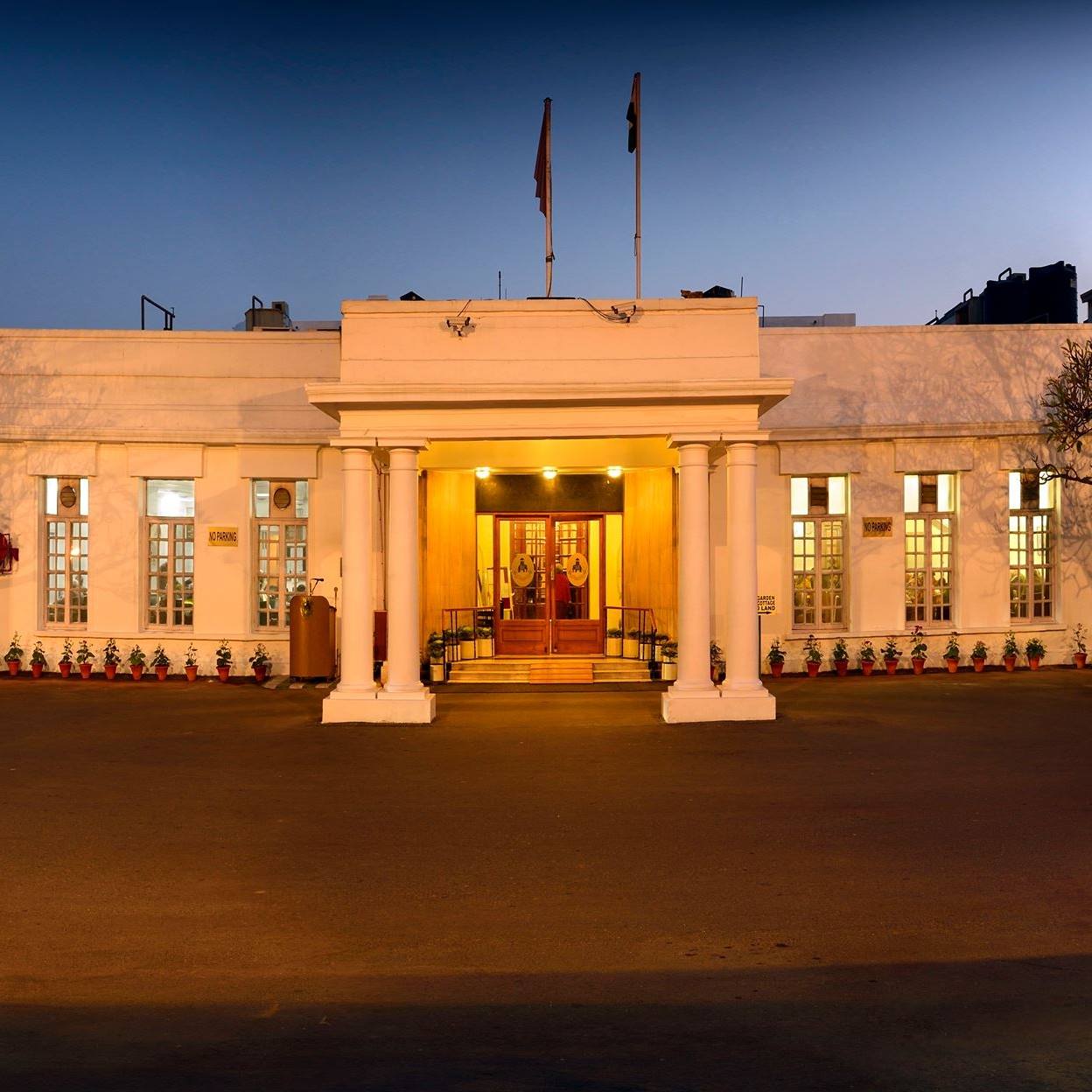
Located at 2, Safdarjung Road, the Delhi Gymkhana Club sits in one of the most tightly guarded and politically significant zones of the national capital — adjacent to the Prime Minister’s residence on Lok Kalyan Marg and surrounded by key government and defence establishments.
In a letter addressed to the club’s secretary on May 22, the L&DO said the land had originally been leased to the Imperial Delhi Gymkhana Club Ltd — now known as Delhi Gymkhana Club Ltd — solely for operating a social and sporting institution.
However, the government said the plot is now essential for urgent institutional requirements, governance infrastructure and larger public-interest projects linked with the resumption of adjoining government land in the area.
Invoking Clause 4 of the original lease deed, the Centre said the President of India, through the L&DO, has terminated the lease and ordered immediate re-entry of the premises.
The order further stated that the entire land parcel, including all buildings, lawns, structures and fittings on the property, would now vest fully with the government.
The club has been instructed to hand over peaceful possession of the premises on June 5. The notice also warned that failure to comply would lead to possession being taken “in accordance with law”.
The Delhi Gymkhana Club, one of the capital’s oldest elite institutions, traces its origins back to the British era. Established in 1913 as the Imperial Delhi Gymkhana Club, it was renamed after Independence, while most of its present structures were built during the 1930s.
For decades, the club has stood as both a colonial relic and a symbol of Delhi’s old power circles. But now, in the middle of an increasingly fortified administrative zone, even heritage appears to be making way for security and state infrastructure.