The "Paris Pivot": 2026 Nuclear Energy Summit Reshapes the Green Frontier
The Slate Bureau As global energy markets reel from the blockade of the Strait of Hormuz, world leaders, scientists, and heads of industry gathered in Paris this week for the 2026 Nuclear Energy Summit . Hosted by the French government in cooperation with the IAEA, the summit has resulted in a historic "Declaration of Atomic Intent," marking the official end of the post-Fukushima era of nuclear skepticism. The Rise of the "SMR" Revolution The headline of the summit was the European...
The Slate Bureau
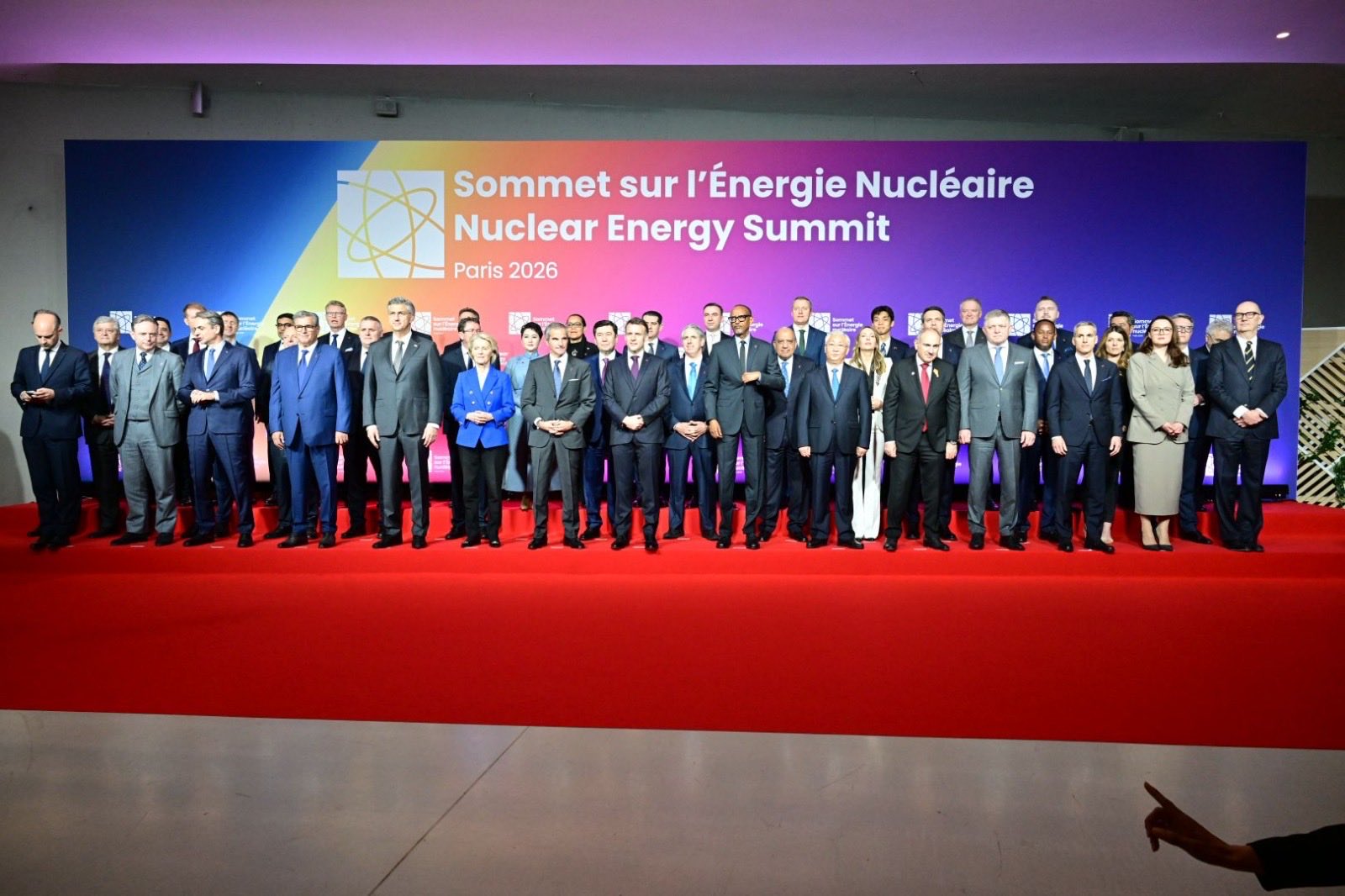
As global energy markets reel from the blockade of the Strait of Hormuz, world leaders, scientists, and heads of industry gathered in Paris this week for the 2026 Nuclear Energy Summit. Hosted by the French government in cooperation with the IAEA, the summit has resulted in a historic "Declaration of Atomic Intent," marking the official end of the post-Fukushima era of nuclear skepticism.
The Rise of the "SMR" Revolution
The headline of the summit was the European Commission’s unveiling of a radical new strategy for Small Modular Reactors (SMRs). European Commission President Ursula von der Leyen announced a €200 million guarantee to de-risk private investment in advanced nuclear technologies.
Unlike the massive, decade-long construction projects of the past, SMRs are designed to be factory-built and deployed locally, providing carbon-free baseload power for industrial hubs and AI data centers. This "plug-and-play" approach to nuclear energy is seen as the only viable way to meet the staggering electricity demands of the 2026 AI boom while adhering to 2030 net-zero targets.
The Geopolitical Energy Race
The summit also served as a stage for a new kind of "Space Race," but for energy sovereignty:
China’s Dominance: Vice Prime Minister Guoqing Zhang showcased the world’s first operational fourth-generation nuclear plant, the High-Temperature Gas-Cooled Reactor. China currently leads the world with 22 reactors under construction, positioning itself as the primary exporter of nuclear tech to the Global South.
Japan’s Return: In a poignant moment, Japanese officials confirmed the restart of their 15th reactor, stating that "clean energy security" now outweighs the lingering trauma of 2011.
Newcomers: Countries like Bangladesh, Egypt, and Ethiopia issued a joint statement titled "We Choose the Atom," arguing that nuclear energy should not be the "privilege of the few" but a fundamental right for developing nations seeking industrialization without high carbon costs.
The Nuclear-Climate Nexus
The summit concluded just as the Better Air Quality Conference in Asia released a sobering report on "super pollutants." The Paris delegates argued that without a massive, immediate scale-up of nuclear power, the transition to electric vehicles and heat pumps will simply shift the carbon burden back onto coal and gas plants.
This "Paris Pivot" represents a fundamental realignment of global priorities. For the first time in decades, the conversation has shifted from if we should use nuclear energy to how fast we can build it. In a week defined by the fragility of oil, the world’s most powerful nations have signaled that the future of energy is no longer buried in the ground—it is found in the atom.