Iran Attacks Bahrain and Kuwait: What Triggered the Fresh Escalation?
Iran launched drone and missile attacks on Bahrain and Kuwait after US airstrikes, reigniting tensions despite a recently brokered ceasefire.
Iran launched drone and missile attacks on Bahrain and Kuwait after US airstrikes, reigniting tensions despite a recently brokered ceasefire.
By Pranjal Gupta
New Delhi, June 28: The war that many world leaders had welcomed as being over has flared up once again. Iran on Sunday launched drone and missile attacks on Bahrain and Kuwait in retaliation for US airstrikes on the Islamic Republic carried out on Saturday.
The attacks, claimed by Iran's Revolutionary Guard, came a day after a multinational maritime security body overseen by the US Navy announced it would expand a shipping route near Oman in the Strait of Hormuz to accommodate both inbound and outbound traffic, creating a fresh flashpoint with Tehran.
An interim agreement between the United States and Iran aimed at ending hostilities had called for shipping through the Strait of Hormuz to resume. The strategic waterway, through which nearly a fifth of the world's oil and natural gas once passed, remains a critical global trade route. However, Iran has twice attacked vessels using the Oman shipping corridor, which is backed by a United Nations agency, insisting that it alone should control passage through the vital waterway despite opposition from the US and Gulf Arab states.
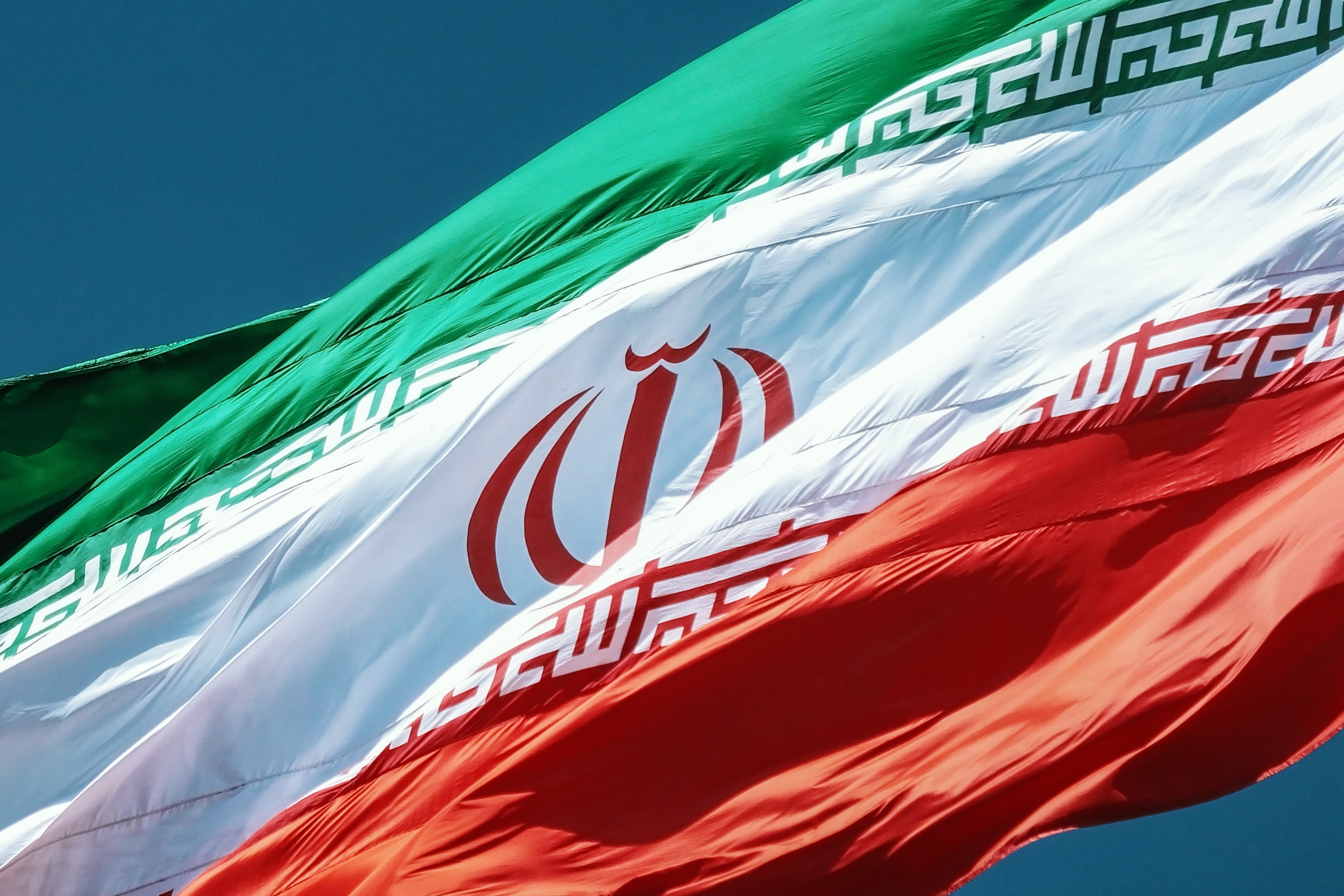
Missiles and drones launched by Iran mark a renewed escalation, raising fears over security in the Gulf and Strait of Hormuz. (Representative Image, Source: Unsplash)
Early on Sunday, the US military's Central Command said it had struck Iranian military "surveillance infrastructure, communication systems, air defence sites, drone storage facilities and minelayer capabilities" after an attack on a commercial vessel earlier on Saturday.
The vessel, the Panamanian-flagged oil tanker Kiku, was carrying crude oil for Qatar's state-run energy company. Qatar has been one of the key mediators in negotiations between Washington and Tehran.
In a post on social media, US President Donald Trump said the United States had "struck Iranian missile and drone storage locations, and coastal radar sites, for violating the Cease Fire Agreement, AGAIN!"
He warned that there could come a point when the US would no longer be able to exercise restraint and "will be forced to militarily complete the job."
"If that happens, the Islamic Republic of Iran will no longer exist!" Trump wrote on Truth Social.
The latest escalation follows a similar exchange just days earlier, when an Iranian drone struck a merchant vessel off the coast of Oman on Thursday, prompting retaliatory US strikes.
US says strikes were in response to Iranian attack on oil tanker
According to ship-tracking websites, the Kiku departed a Qatari oil field in the central Persian Gulf earlier this week and was bound for a port in the United Arab Emirates on the Gulf of Oman, just beyond the Strait of Hormuz.
The tanker appeared to be using a shipping corridor established along Oman's coastline as an alternative to the Iranian-approved route through its territorial waters.
The US military said Iran "had a chance to honour the ceasefire agreement" but "elected not to" when its forces attacked the Kiku.
Following the US strikes early on Sunday, Kuwait's military said its air defence systems
intercepted incoming Iranian drones and missiles. It did not immediately provide details of
any damage. Kuwait hosts a major US Army base.
Bahrain's Foreign Ministry condemned the attacks, describing them as "a dangerous escalation that reveals that what Tehran is doing is not a passing act, nor an isolated incident, but rather a deliberate approach and a systematic pattern of repeated aggression against the sovereignty of the kingdom, and the security of its citizens and residents."
Bahrain hosts the headquarters of the US Navy's Fifth Fleet, whose facilities came under repeated attack during the conflict.
Iran's Revolutionary Guard claimed responsibility for the attacks, saying it had targeted Al Asad Air Base in Kuwait.
"Let the enemy know that violating the ceasefire ... will lead to a complete halt of ongoing processes," the Guard said in a statement.
The Revolutionary Guard, which controls Iran's ballistic missile arsenal, answers directly to Supreme Leader Ayatollah Mojtaba Khamenei and is widely believed to have gained even greater influence within the Islamic Republic in recent months.
(With Inputs from AP)