India's BrahMos Deal with Indonesia Is More Than Just a Missile Sale
India and Indonesia have elevated their strategic partnership with agreements spanning defence, maritime security, critical minerals and digital connectivity. The proposed BrahMos missile deal highlights New Delhi's growing role as a defence exporter and a key Indo-Pacific security partner. New Delhi, July 7: The agreement to supply BrahMos missiles to Indonesia marks a significant milestone in India's defence diplomacy. But the visit by Prime Minister Narendra Modi to Jakarta was about far...
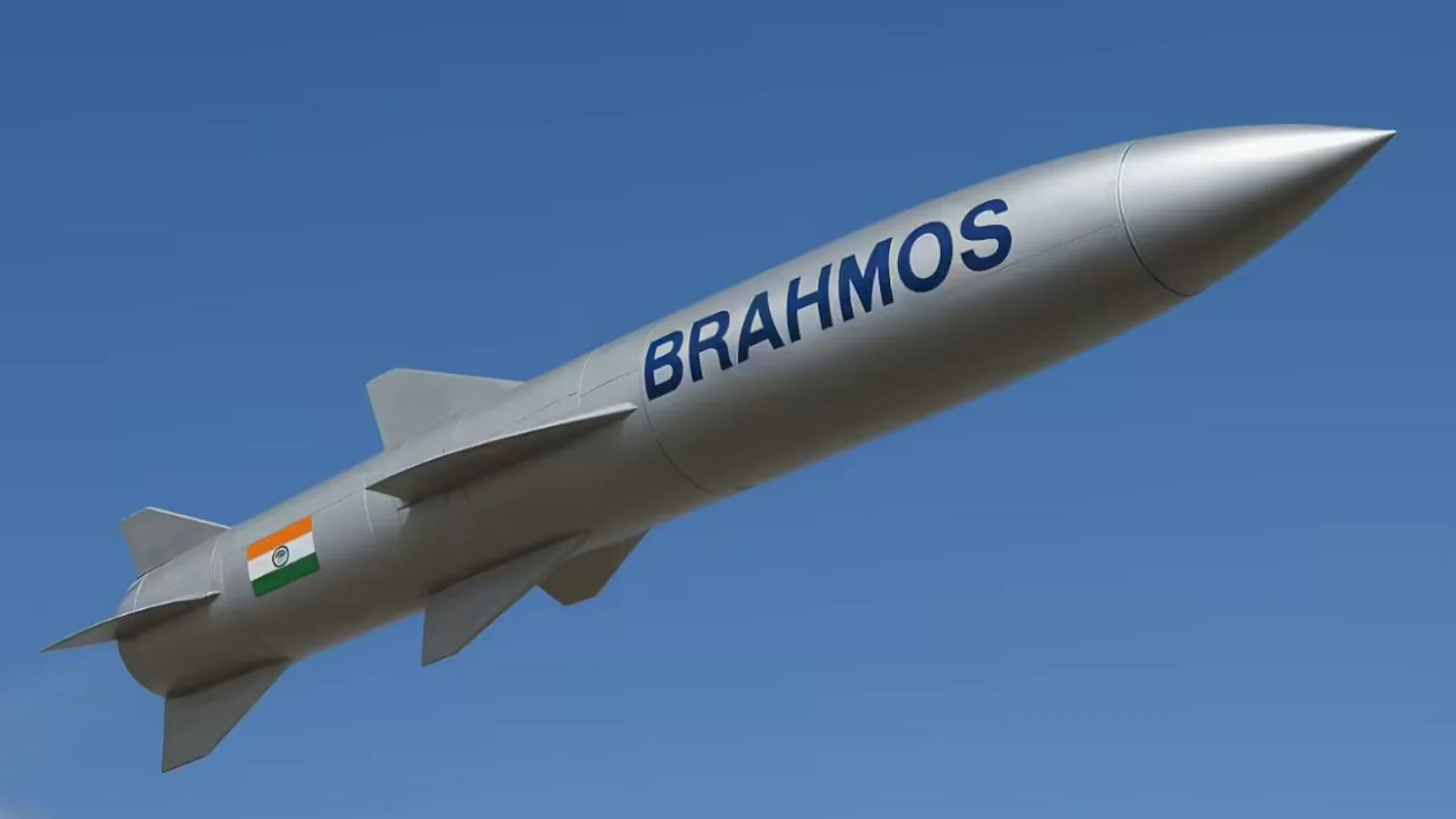
India and Indonesia have elevated their strategic partnership with agreements spanning defence, maritime security, critical minerals and digital connectivity. The proposed BrahMos missile deal highlights New Delhi's growing role as a defence exporter and a key Indo-Pacific security partner. New Delhi, July 7: The agreement to supply BrahMos missiles to Indonesia marks a significant milestone in India's defence diplomacy. But the visit by Prime Minister Narendra Modi to Jakarta was about far more than missiles. From maritime security and critical minerals to digital payments and Indo-Pacific cooperation, the two countries have laid the groundwork for a broader strategic partnership.
The reported BrahMos deal reflects India's growing role as a defence exporter. After similar agreements with the Philippines and Vietnam, Indonesia is poised to become another Southeast Asian nation to acquire one of India's flagship missile systems. The reported decision to procure Astra air-to-air missiles further signals confidence in India's indigenous defence capabilities.
Equally important is the decision to jointly develop Sabang Port, located near the Strait of Malacca, one of the world's busiest maritime trade routes. For India, cooperation at Sabang complements its strategic interests in the Andaman and Nicobar Islands and strengthens maritime security in the Indo-Pacific.
The two countries also agreed to deepen cooperation in critical minerals, including nickel, steel and rare-earth magnets. These resources are essential for manufacturing electric vehicles, renewable energy technologies, semiconductors and defence equipment. By investing in Indonesia's mineral sector, India aims to diversify supply chains and reduce strategic vulnerabilities.
The partnership extends beyond defence and trade. India announced plans to establish an Indian Institute of Management-Bangalore campus in Indonesia, while both countries agreed to integrate India's UPI with Indonesia's payment system, facilitating business and travel.
On the diplomatic front, the leaders discussed regional and global security, with India reiterating its support for dialogue and diplomacy and reaffirming its position in favour of a two-State solution to the Israel-Palestine conflict.
The agreements demonstrate that India's engagement with Indonesia is evolving into a comprehensive strategic partnership that combines defence exports, maritime cooperation, economic resilience and regional diplomacy. As geopolitical competition intensifies in the Indo-Pacific, the partnership positions both countries to play a larger role in shaping the region's security and economic architecture.