Workers have a right to strike: ICJ
The much-awaited Advisory Opinion by the International Court of Justice (ICJ) in favour of workers and their organisations is likely to influence judicial decisions and government policies across the globe By Mahima Katal In a landmark advisory opinion, the United Nations’ highest court has ruled that workers and their organisations have a protected right to strike under international labour law, a decision that could influence labour jurisprudence globally, including in India, a founding...
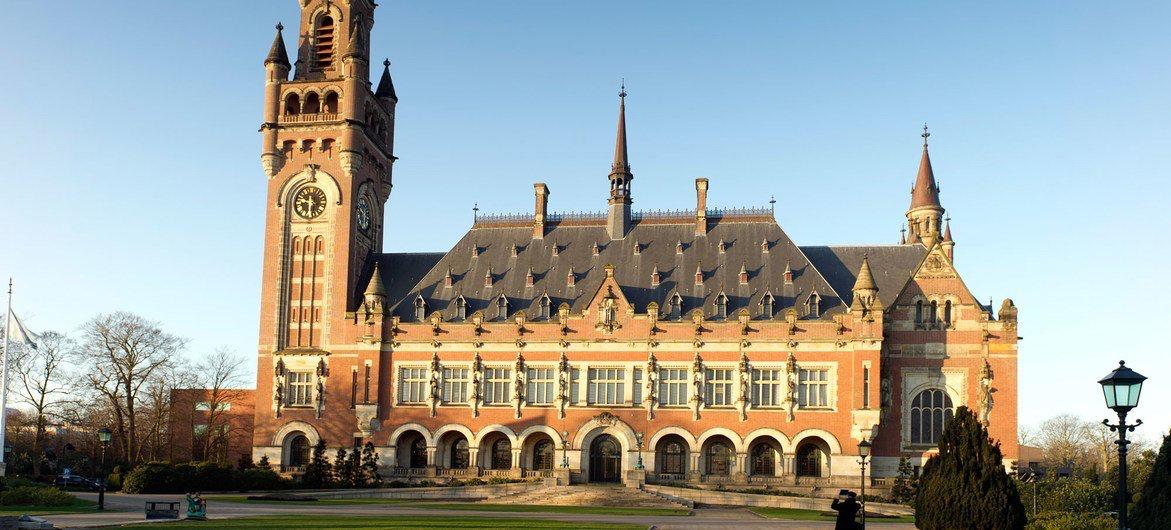
The much-awaited Advisory Opinion by the International Court of Justice (ICJ) in favour of workers and their organisations is likely to influence judicial decisions and government policies across the globe
By Mahima Katal
In a landmark advisory opinion, the United Nations’ highest court has ruled that workers and their organisations have a protected right to strike under international labour law, a decision that could influence labour jurisprudence globally, including in India, a founding member of the International Labour Organization.
By a 10–4 majority, the International Court of Justice held that “the right to strike of workers and their organizations is protected” under the Freedom of Association and Protection of the Right to Organise Convention, 1948 (No. 87).
However, the Court clarified that the opinion does not define the exact limits or conditions of exercising that right. The judges noted that their conclusion should not be read as determining the “precise content, scope or conditions” of strike action.
Although advisory opinions of the ICJ are not legally binding, they carry substantial legal and political weight. In India, which played a foundational role in establishing the ILO and remains an active member, the opinion may hold persuasive value in labour law debates, judicial interpretation, and policy discussions.
Long-running dispute before the ILO
The dispute reached the ICJ after the ILO’s Governing Body referred the matter in November 2023 following years of disagreement among governments, employers and workers over whether Convention No. 87 protects the right to strike despite the treaty not expressly mentioning it.
At the centre of the disagreement was a key legal question: does the right to organise under Convention No. 87 inherently include the right of workers and their organisations to undertake strike action?
Employer groups argued that the convention contains no language explicitly granting strike rights and maintained that the treaty’s drafting history did not indicate such an intention.
Workers’ representatives, however, contended that the right to strike is inseparable from freedom of association and has long been recognised by ILO monitoring and supervisory mechanisms.
Court’s interpretation
The Court acknowledged that Convention No. 87 does not expressly refer to strikes. However, it held that the absence of explicit language does not automatically exclude strike action from the treaty’s protections.
According to the majority, the activities of workers’ organisations under the convention can reasonably include strike action, particularly where such action is linked to protecting and advancing workers’ interests.
Judges split over interpretation
While all judges agreed that the Court had jurisdiction and should answer the ILO’s request, four judges dissented on the substance.
Peter Tomka argued that the majority extended the convention beyond what States originally accepted, maintaining that Convention No. 87 protects organisational autonomy rather than particular forms of collective economic action.
Xue Hanqin criticised the ruling as leaning toward human rights advocacy rather than strict treaty interpretation, arguing that greater emphasis should have been placed on the convention’s wording and negotiating history.
What happens next
The ILO stated that its Governing Body is expected to revisit the issue during its November session and determine possible follow-up measures.
The case marks only the second time in ILO history that interpretation of an international labour convention has been formally referred for adjudication and the first such request before the ICJ since the Court was established in 1945.